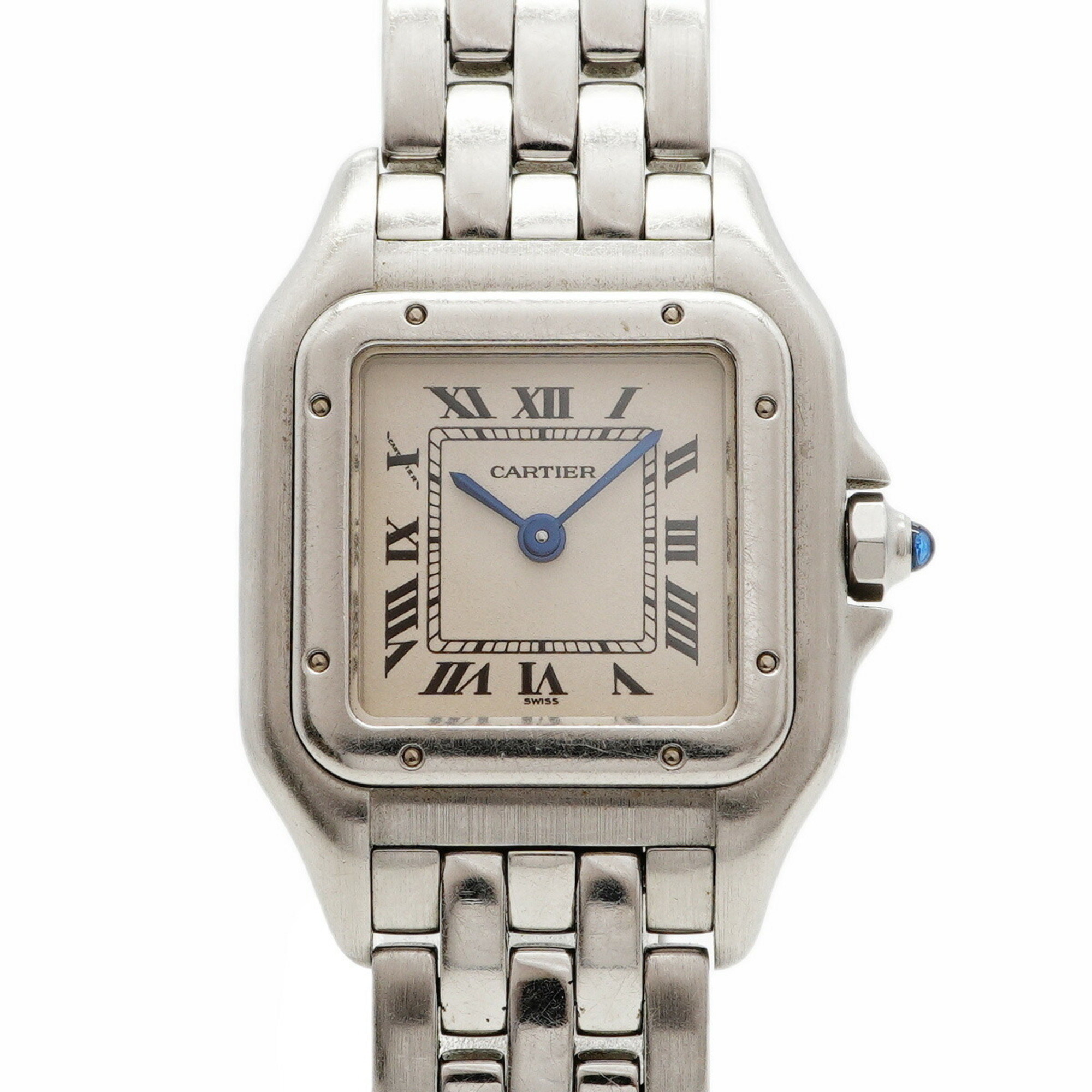
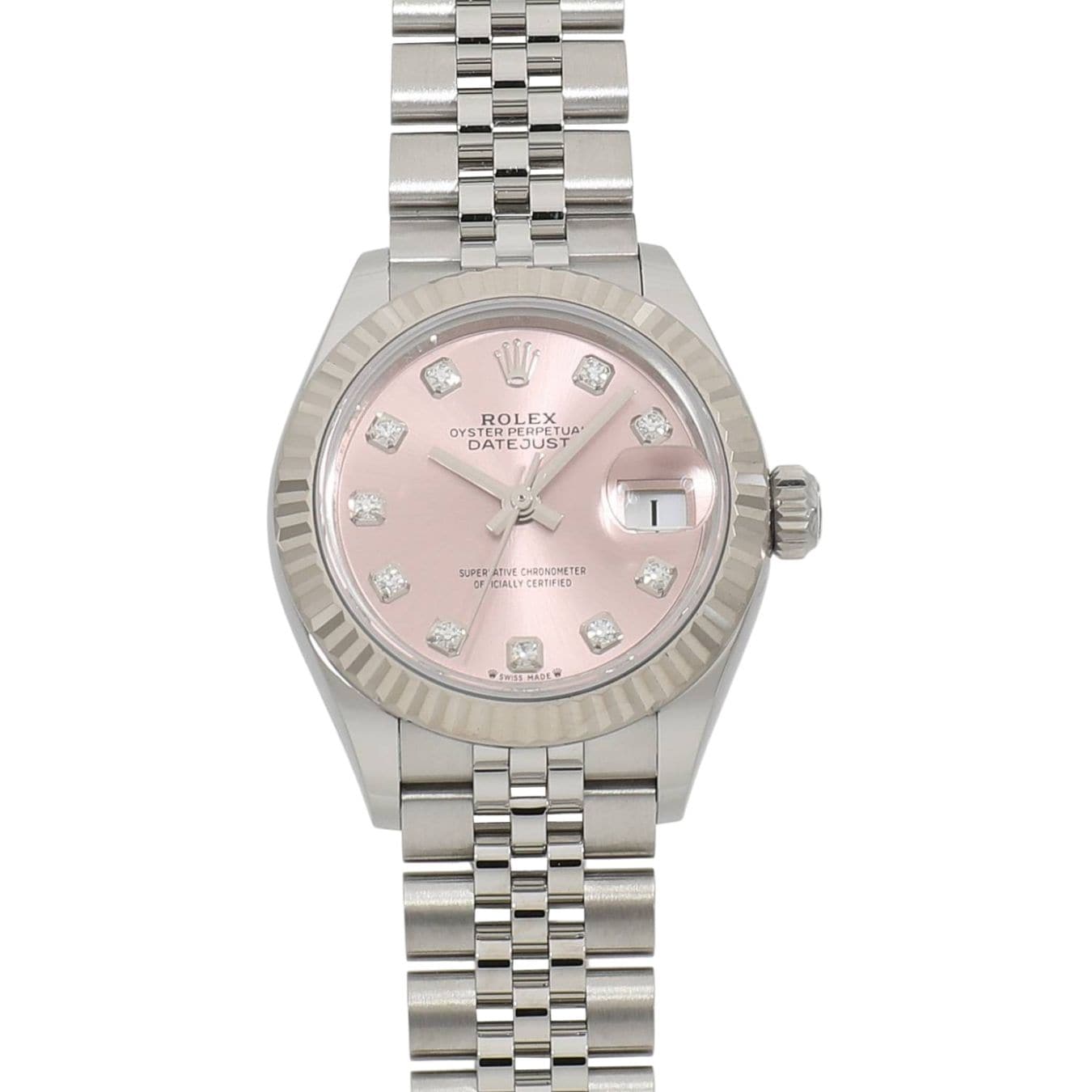
If you want one gold-and-steel watch that says “I chose this for myself”, the choice usually comes down to two pieces: the Cartier Panthère and the Rolex Lady-Datejust. As of July 2026 a good pre-owned Panthère in steel starts around £3,000, while a two-tone Lady-Datejust starts a touch lower at roughly £3,000–£4,300 — so on price alone they land in the same place. What separates them is character, and that is the part worth thinking about before you spend.
Both are ladies’ icons with decades of history, both wear beautifully small, and both hold their value better than almost anything else at this money. They just do it in completely different registers. One is jewellery that happens to tell the time; the other is a proper Rolex that happens to be discreet.
What are you actually choosing between?
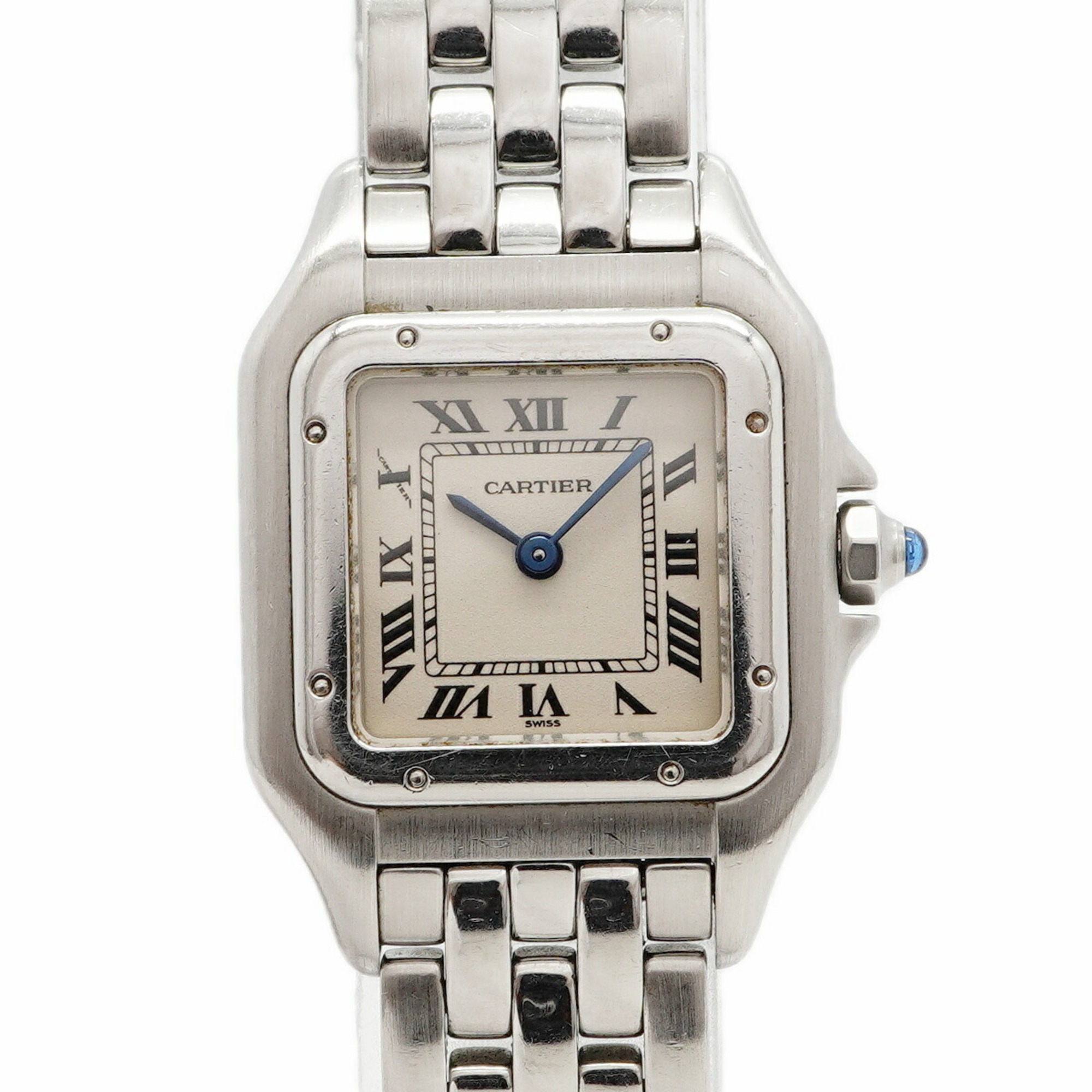
The Cartier Panthère is a bracelet first and a watch second. The links are flat and supple, it lies against the wrist like a cuff, and the quartz movement inside is really there to keep the design honest — nobody buys a Panthère for its calibre. It was launched in 1983, became a 1980s status piece, disappeared, and was brought back in 2017 to a genuinely rapturous reception. It is the most overtly feminine watch either brand makes.
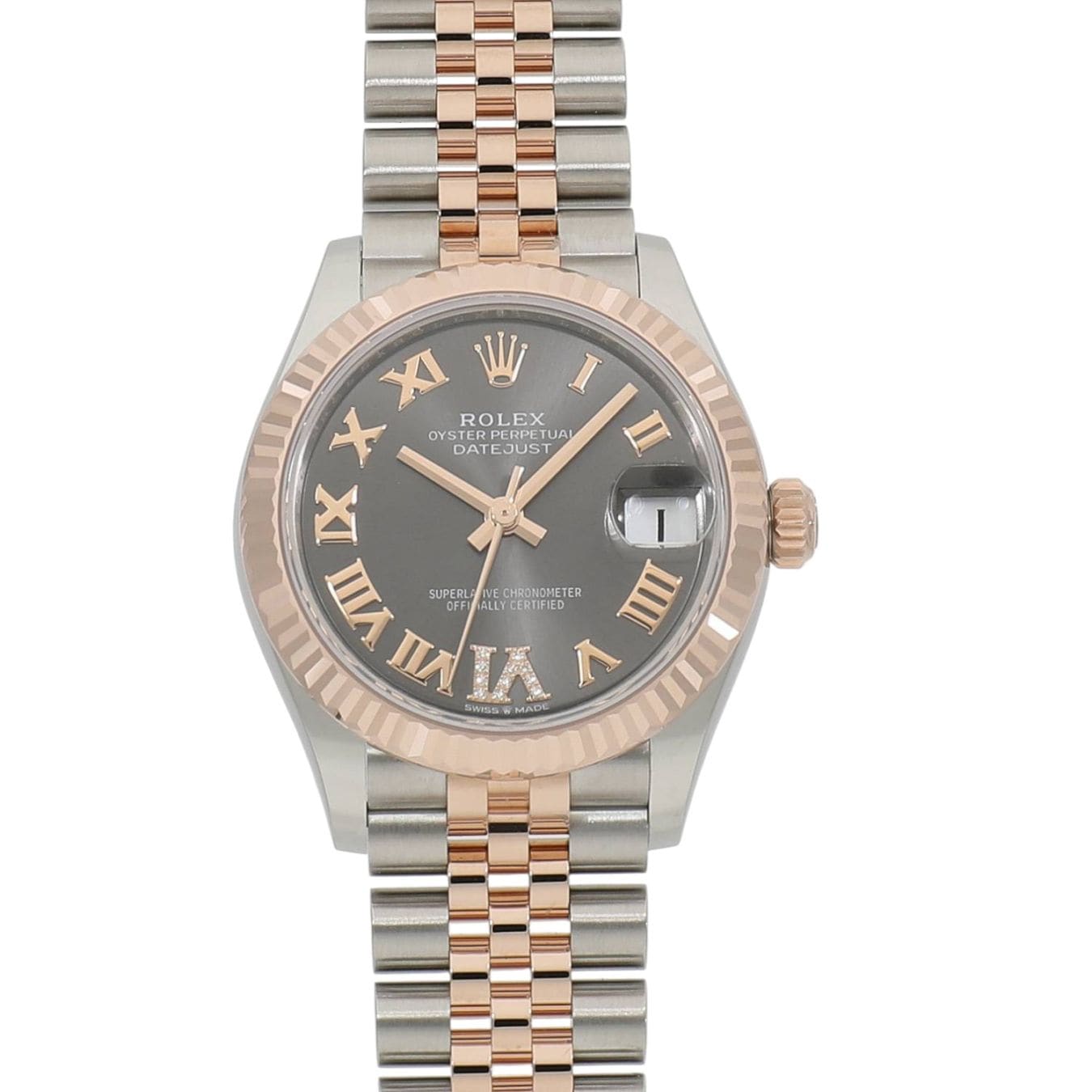
The Rolex Lady-Datejust is the opposite instinct. It is a mechanical, self-winding, waterproof Rolex shrunk to 28mm, with the fluted bezel, Cyclops date and Jubilee bracelet intact. It is understated to the point of near-invisibility until someone who knows watches spots the crown. Where the Panthère announces itself, the Lady-Datejust waits to be noticed.
How much does each cost pre-owned in 2026?
These are wider open-market asking prices as of July 2026 — the private and dealer floors you would meet buying second-hand, segmented by metal. They are not Chrono6538’s prices: we sell authenticated, checked pieces at a premium to the bare market floor, and the figures below are here to orient you, not to quote you.
| Configuration | Cartier Panthère (from) | Rolex Lady-Datejust (from) |
|---|---|---|
| Vintage / entry, steel, worn, no box | ~£900–1,500 (1980s–90s small) | — |
| Steel, everyday condition | ~£3,000–4,500 (small model) | ~£3,000–4,300 (two-tone vintage 69173) |
| Two-tone (steel & gold) | ~£5,000–8,000 | ~£5,500–7,000 modern steel; two-tone diamond ~£8,000–12,000 |
| Solid gold | ~£8,000–14,000 | Gold President, diamond dial, low £30,000s |
| Gold with diamonds / rarest | ~£12,000–17,000+ (diamond bezel) | Gem-set President, £30,000+ |
Sources: Watchfinder, Chrono24 UK and WatchCharts UK listings, cross-checked against BQ Watches; Chrono6538 proprietary dataset of pre-owned pieces. Asking prices, July 2026.
Which one holds its value better?
Both are unusually safe at this money, which is a large part of why they endure. The Panthère typically retains something in the region of 60–80% of its retail price on the secondary market — strong for a quartz watch, and helped enormously by the 2017 relaunch keeping demand hot. The Lady-Datejust behaves like the rest of the Rolex catalogue: steady, liquid, and easy to sell on, with solid-gold and diamond examples holding gold value underneath them.
The honest distinction is this. The Panthère’s value rests on fashion staying in love with it, and fashion has been reliably in love with it for a decade. The Lady-Datejust’s value rests on the Rolex name and its mechanical movement, which is a slower, sturdier kind of demand. Neither is a reason to buy — this is a watch to wear, not a fund — but if resale matters to you, the Rolex is the more predictable of the two. This is not investment advice, and values can fall as well as rise.
Which suits your wrist and your life?
On a smaller wrist the Panthère is hard to beat: the flat case and soft bracelet make it wear like a piece of jewellery, and the small model is genuinely petite. It dresses up effortlessly and looks entirely at home with eveningwear. What it is not is a knockabout watch — it is quartz, it is not built for the pool, and the polished links show wear.
The Lady-Datejust is the one you forget you are wearing. It is waterproof, self-winding, and shrugs off daily life; the 28mm case suits most wrists and the 31mm steps up for anyone who likes a touch more dial. If you want one watch that goes from the school run to a wedding without a second thought, this is the more practical companion. Choose the Panthère if you want the piece to be worn for yourself; choose the Lady-Datejust if you want it to disappear until it counts.
So which should you buy?
Buy the Cartier Panthère if what you love is the object — the cuff on the wrist, the unmistakable Cartier signature, the sense of an heirloom you chose yourself. Buy the Rolex Lady-Datejust if you want a proper mechanical watch that will run for decades, sell on easily, and never look try-hard. At the entry end they cost roughly the same; past £5,000 they diverge sharply, with gold Rolex Presidents climbing well beyond gold Panthères. There is no wrong answer here, only two very different ideas of what a lady’s luxury watch is for.
See our current Cartier Panthère watches → and our Rolex Datejust selection →, each authenticated and checked by Chrono6538.
Last updated: July 2026. Figures are wider-market asking prices for guidance only, not Chrono6538 prices, and not investment advice.