Jeanne Toussaint never trained as a jeweller, yet from 1933 she ran Cartier‘s high-jewellery workshop and turned a flat spotted-cat pattern into the most recognisable animal in jewellery. Louis Cartier called her la Panthère; she made the panther Cartier’s signature, and the jewels she built around it still set auction records today.
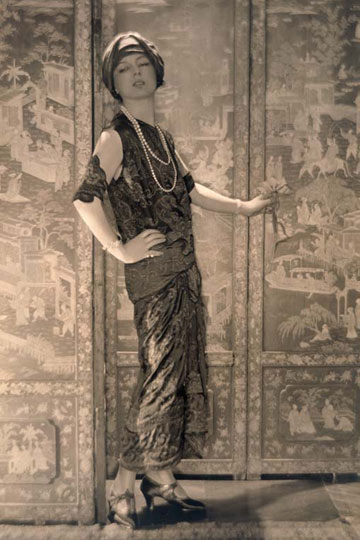
Who was Jeanne Toussaint?
Born in Belgium in 1887, Toussaint arrived in Paris with taste, nerve and a circle of friends that included Coco Chanel. She joined Cartier in 1913, and by 1933 Louis Cartier had made her director of the maison’s haute joaillerie — an extraordinary position for a lady in that industry, and one she held until 1970. She could not draw a technical design herself, but she knew exactly what a modern lady wanted to wear, and she pushed Cartier’s craftsmen to build it. Her nickname, la Petite Panthère, came from her own bold style and her fondness for panther furs.
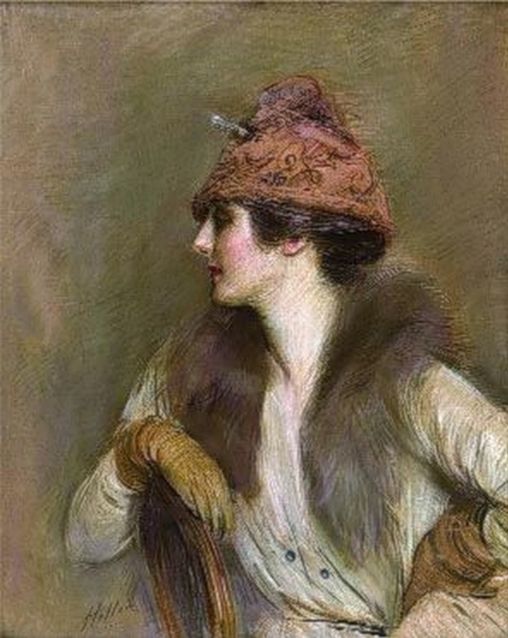
How did the panther become Cartier’s signature?
The spotted-cat motif had appeared at Cartier as early as 1914, as a pattern of onyx and diamonds on a watch. Toussaint’s contribution was to bring the animal to life — from a flat print to a prowling, three-dimensional creature that could crouch on a brooch or curl around a wrist. Under her direction the panther gained a body, a pose and a personality, and it became shorthand for a certain kind of confident, independent lady. The house has never let it go: the Panthère de Cartier line carries the same idea into rings, bracelets and watches you can buy today.
The Duchess of Windsor and the panther that made history
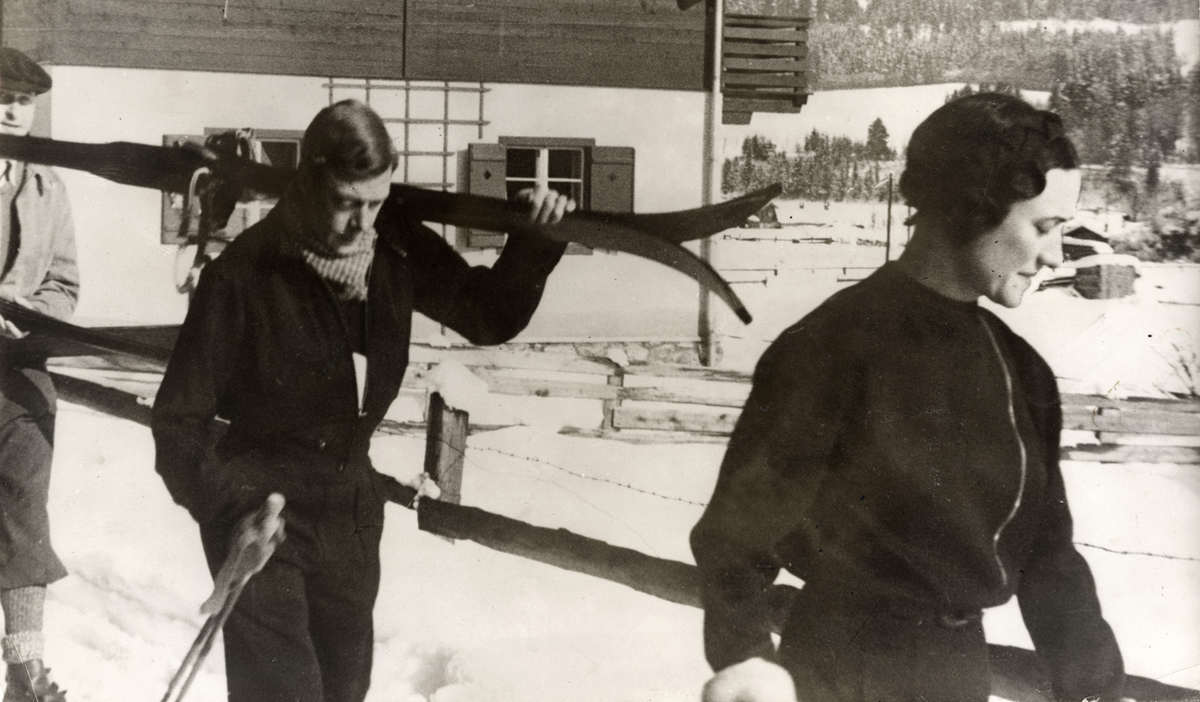
Toussaint’s most famous client was Wallis Simpson, the Duchess of Windsor, who commissioned a run of panther jewels through the 1940s and 50s. The first fully modelled Panthère — a gold-and-enamel cat perched on a huge cabochon emerald — was made for her in 1948. A sapphire version followed in 1949, and in 1952 came the articulated onyx-and-diamond panther bracelet that would later become the most valuable bracelet ever sold at auction.
What are Toussaint’s panthers worth today?
The record speaks for itself. When the Duchess’s collection was first sold, and again when part of it was reunited two decades later, Toussaint’s designs led the room. These are historical auction results, listed for context rather than as a valuation of any current piece.
| Sale | Date | Result |
|---|---|---|
| The Jewels of the Duchess of Windsor (306 lots, 87 by Cartier) | Sotheby’s Geneva, Apr 1987 | ~£31m (~$50.3m) total |
| Onyx & diamond Panthère bracelet (1952) | Sotheby’s London, Nov 2010 | £4.52m (~$7.4m) — a then world record for a bracelet |
| 20 reunited Windsor lots | Sotheby’s London, Nov 2010 | ~£8m total |
The panther’s quiet legacy
Toussaint ran Cartier’s Paris high-jewellery house for close to fifty years, through the Occupation and long after Louis Cartier’s death, and she shaped the taste of a generation of independent ladies who bought their own jewels rather than waiting to be given them. That is why the panther still feels modern: it was designed, from the start, for ladies with their own minds and their own money. It is the same instinct that runs through the Panthère de Cartier pieces collectors look for on the pre-owned market now.
You can explore pre-owned Cartier at Chrono6538 →, or see our fine jewellery →.
How did Toussaint actually work?
Toussaint’s gift was editorial rather than technical. She could not render a design at the bench, but she had an unerring sense of what a modern lady wanted to wear and the authority to make Cartier’s craftsmen build it. She surrounded herself with gifted designers — most notably Peter Lemarchand, whose drawings gave the panther its final prowling posture — and she pushed them to make the animal look alive, with articulated bodies that moved with the wrist and pavé spots that caught the light like real fur. She mixed materials that were considered daring for high jewellery, setting onyx against diamonds and yellow gold against emeralds, and she was unafraid of scale. That combination of instinct, taste and nerve is why her pieces still look contemporary: they were never fussy or merely pretty, but bold, sculptural and full of character. The panther became a self-portrait as much as a motif — a quiet statement about the kind of lady Toussaint was, and the kind she was designing for.
Auction figures are historical results as reported at the time of sale. Last updated July 2026.