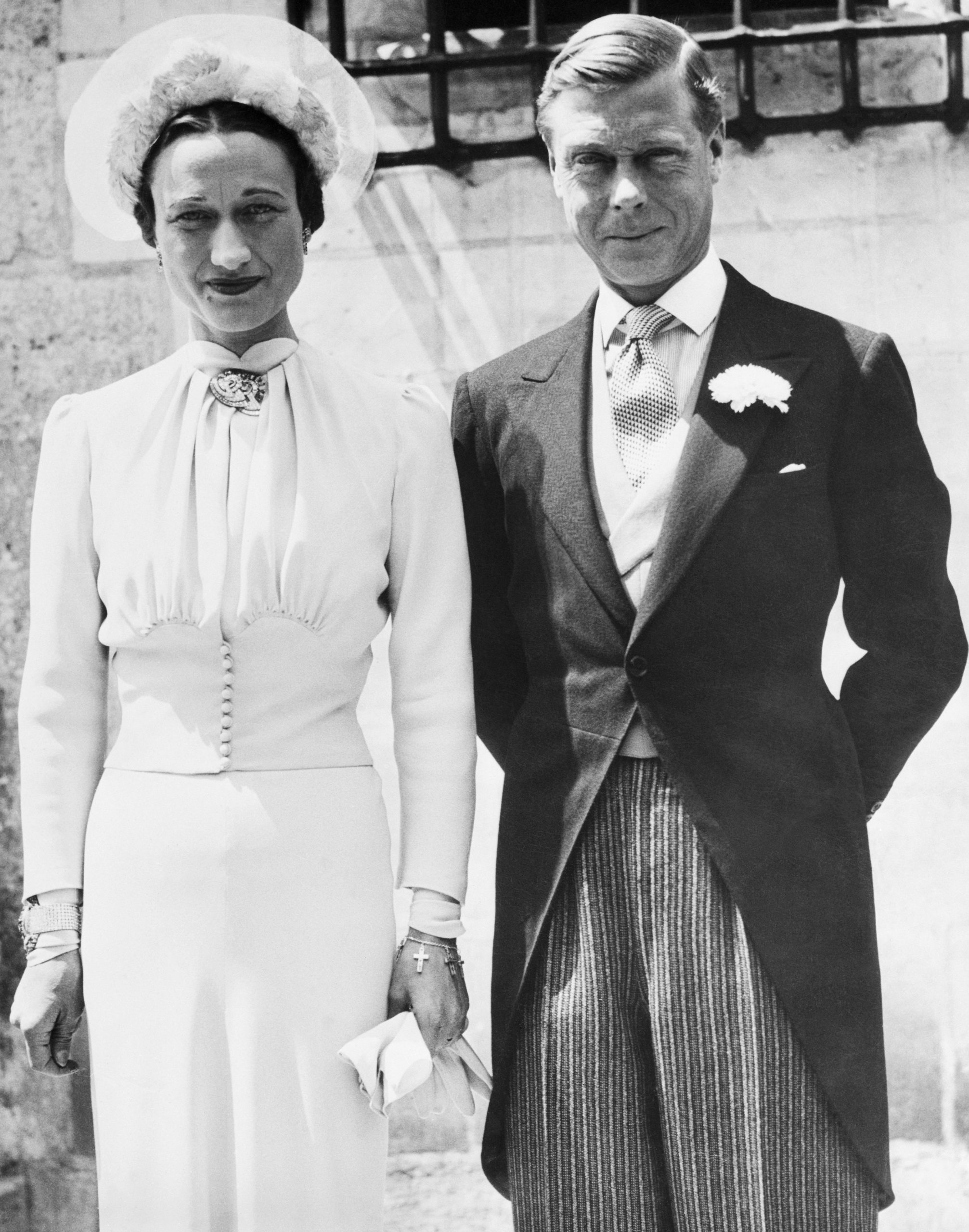
The Duchess of Windsor’s panther is really the story of a lady who wanted a jewel to match her own nerve. Wallis Simpson chose the crouching cat as a personal emblem rather than an ornament for others to admire, which is exactly why it still reads as modern. The record price came later; the character came first.
When Sotheby’s sold the Duchess of Windsor’s Cartier panther bracelet in London in 2010, it fetched £4,521,250 — a world-record price for a Cartier jewel, and for any bracelet, at that time. One crouching cat in onyx and diamonds is the single biggest reason the panther became Cartier’s signature, and the reason Wallis Simpson’s jewellery box is still the most studied of the twentieth century.
Who turned Cartier’s panther into a legend?
The name to know is Jeanne Toussaint. Louis Cartier appointed her director of fine jewellery in 1933 and nicknamed her la petite panthère. Cartier had used a flat, spotted panther motif since around 1914, but it was Toussaint who set the cat free — sculpting it in the round, crouching, prowling, coiled around a wrist. She never sketched a stone herself; she directed, edited and pushed, and the house’s most collectible animal is essentially her taste made permanent.
The Duchess of Windsor was Toussaint’s most important client and her best advertisement. What Wallis wore, other ladies wanted, and a run of commissions in the 1940s and 1950s produced the pieces that still define Cartier’s animal jewellery today.
What did the Duchess of Windsor actually own?
Three Cartier pieces carry the story. The flamingo brooch of 1940 was a birthday gift from the Duke, its plumage set with calibre-cut emeralds, rubies and sapphires and its body paved with diamonds — a small, defiant burst of colour made in the first weeks of the war. The panther brooch of 1948 was Cartier’s first fully three-dimensional cat, a sapphire-spotted panther sitting astride a 152-carat cabochon sapphire. Then came the onyx-and-diamond panther bracelet of 1952, articulated so it moved like a real animal over the wrist — the piece that would later break records.
None of these were quiet jewels. Wallis had been stripped of the style “Her Royal Highness” and lived in a kind of glamorous exile; the jewellery answered back. It is worth seeing the pieces in the metal, which is why the Cartier archive and specialist editors have documented them so carefully — a good starting point is The Jewellery Editor’s record of the 2010 sale.
What makes the collection matter to buyers today is not the scandal but the design lesson. The panther worked because Toussaint gave it real anatomy — the spine curves, the paws grip, the tail balances the composition — so it never looks like a logo. That is the difference between a piece that dates and one that does not, and it is exactly what to look for when you judge any animal or figurative jewel: does it have weight and movement, or is it a flat charm? The Duchess’s cats have the first quality in abundance, which is why they still set the standard sixty years on.
What have the pieces sold for?
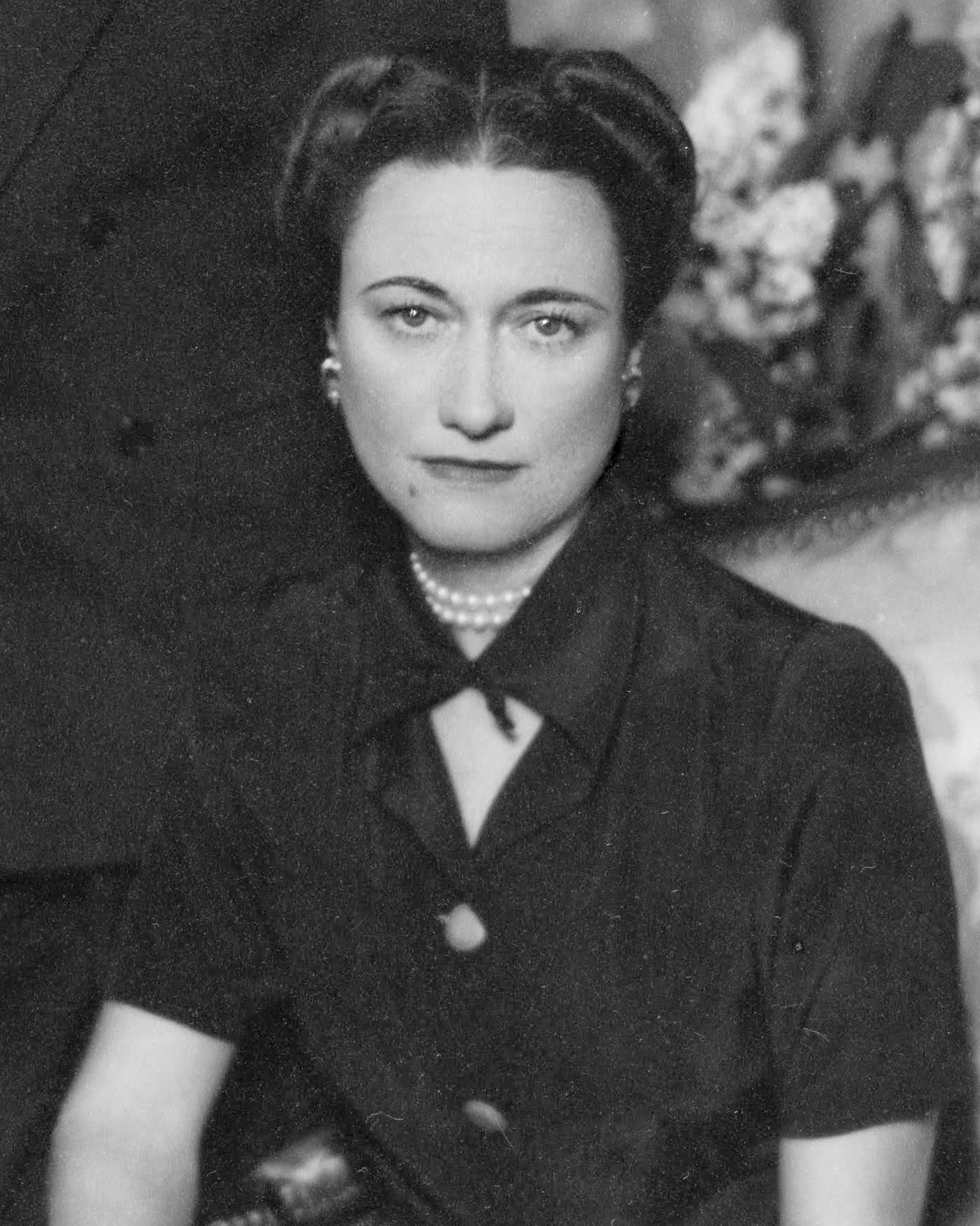
Wallis left the bulk of her jewels to raise money for the Pasteur Institute, and the sales became landmark events. The 1987 auction in Geneva took roughly US$50.3 million across the whole collection; the focused 2010 sale in London is where the Cartier cats set their records. The figures below are real hammer-plus-premium results, dated, as reported at the time.
| Piece | Made | Sale | Result |
|---|---|---|---|
| Onyx & diamond panther bracelet | 1952 | Sotheby’s London, 2010 | £4,521,250 — record for a Cartier bracelet |
| Flamingo brooch | 1940 | Sotheby’s London, 2010 | £1,721,250 |
| Diamond & onyx panther bracelet | 1952 | Sotheby’s Geneva, 1987 | US$1.27 million |
| Flamingo brooch | 1940 | Sotheby’s Geneva, 1987 | £601,250 |
| Whole collection (total) | — | Sotheby’s Geneva, 1987 | US$50.3 million |
Figures as reported by Sotheby’s and contemporary press; correct as of July 2026. These are the prices of unique, provenanced pieces — not a guide to ordinary market values, and not investment advice.
Can you still buy a Cartier panther today?
The bracelets in that table are museum-grade one-offs, so the honest answer for most buyers is: not those, but the idea lives on. Cartier still makes the Panthère in production jewellery and watches, and the pre-owned market is where the value sits. As of July 2026, a pre-owned Panthère de Cartier watch in steel starts around £3,995 in the UK secondary market (asking prices, Chrono24 UK); gold and gem-set examples climb well beyond that. Those are wider-market floors for the bare private market — Chrono6538 sells authenticated, checked pieces at a premium to a private-sale figure, which is what you are paying for.
If Toussaint’s cat is the thread you want to pull, start with the house that made it. See our Cartier pieces →
Written by the Chrono6538 team. We authenticate and value pre-owned Cartier and other fine pieces from our proprietary dataset of pre-owned luxury.