When Sotheby’s sold Daisy Fellowes’s Cartier “Collier Hindou” in Geneva in 1991, it made US$2,655,172 (about £2,134,891) — a record for a piece of Art Deco jewellery, and Cartier bought it back for its own collection. That single necklace, a riot of carved emeralds, rubies and sapphires, is the most famous example of the style the world now calls Tutti Frutti, and the lady who commissioned it was one of the sharpest dressers of the twentieth century.
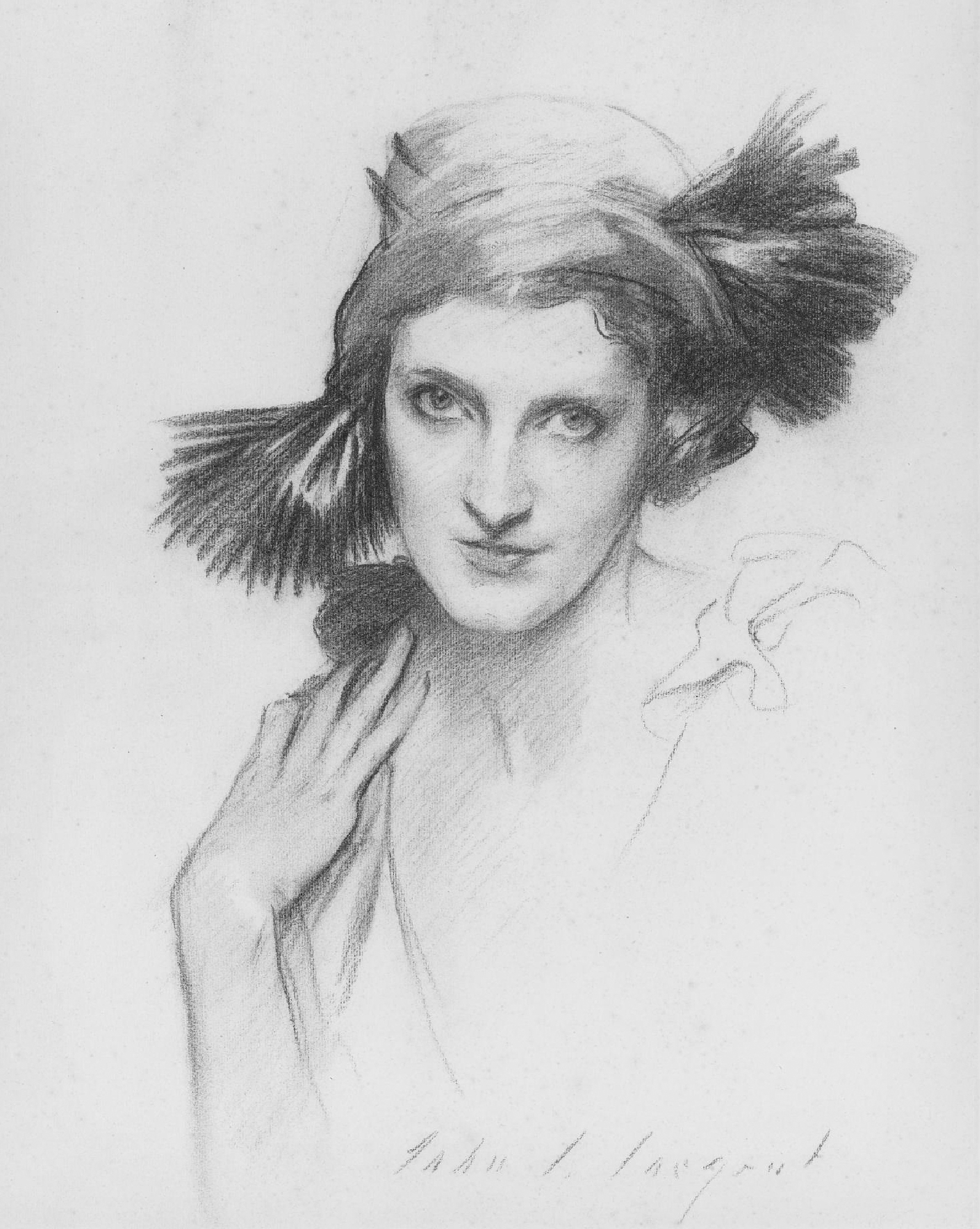
Who was Daisy Fellowes?
Daisy Fellowes was a Singer sewing-machine heiress, a novelist, and Paris editor of Harper’s Bazaar. She was voted best-dressed lady in the world more than once, and she used clothes and jewels the way other people used conversation — to unsettle a room. Where the Duchess of Windsor collected Cartier for glamour, Fellowes collected it for edge. She wanted jewellery that looked nothing like anyone else’s, and in 1936 she got exactly that.
What is a Tutti Frutti, and what was the Collier Hindou?
“Tutti Frutti” is the nickname — coined by Cartier in the 1970s — for the house’s carved-gemstone style, inspired by the Mughal jewellery Cartier’s designers saw in India in the 1910s and 1920s. Instead of faceting stones, the technique uses emeralds, rubies and sapphires carved into leaves, berries and flowers, then clustered like a hedgerow. It is maximalist, botanical and instantly recognisable.
Fellowes’s necklace, the Collier Hindou, was built in 1936 from her own carved stones and modelled on a design Cartier had made a year earlier for the Maharaja of Patna. It held 785 gems — a knot of diamond vines studded with emerald leaves and berries of ruby and sapphire — and was originally strung on adjustable Indian silk cord so it could be worn at different lengths. In 1963 her daughter, the Countess de Casteja, had the cords replaced with a continuation of the jewelled motif. Fellowes first wore it for a set of Cecil Beaton portraits in 1936 that ran in Harper’s Bazaar. The Cartier archive and specialist editors have documented the piece closely; The Glossary and Sotheby’s are good starting points.
The style has roots worth knowing. Cartier’s Jacques and Louis Cartier travelled to India in the 1910s and returned fascinated by the carved emeralds and rubies of Mughal jewellery, where stones were shaped into leaves and flowers rather than faceted for maximum fire. Cartier began buying and re-carving Indian gems in the 1920s, and the resulting “Hindou” and “fruit salad” pieces were among the most technically demanding in the workshop’s history — each carved stone is effectively unique, so the pieces could never be mass-produced. That scarcity is exactly why period examples hold their value, and why a genuine one is worth having authenticated rather than taken on trust.

What has Tutti Frutti sold for?
Tutti Frutti pieces are rare, labour-intensive and very collectible, which shows in the results. The figures below are real, dated auction outcomes rather than estimates.
| Piece | Detail | Sale / result (dated) |
|---|---|---|
| Collier Hindou necklace | 785 carved emeralds, rubies, sapphires and diamonds, made for Daisy Fellowes | Sotheby’s Geneva, 1991: US$2,655,172 (~£2,134,891) — record for Art Deco jewellery |
| Original design source | Based on a Cartier commission for the Maharaja of Patna | 1935 |
| Later remodelling | Silk cords replaced by a jewelled continuation of the motif | 1963 |
| Tutti Frutti bracelet | Art Deco Cartier bracelet; set a record for an online-only jewellery sale | Sotheby’s online, 2020 |
Figures as reported by Sotheby’s and contemporary press; correct as of July 2026. These are prices for exceptional, provenanced pieces — not a guide to everyday market values, and not investment advice.
Can you buy the Tutti Frutti look?
Original 1930s Tutti Frutti is auction-house territory, and a genuine period piece will always carry a serious price. For most buyers the sensible route into Cartier is the house’s watches and its more attainable jewellery on the pre-owned market, where condition and proper authentication matter far more than chasing the lowest figure. The carved-gem style still turns up in vintage brooches and clips if you are patient — and if you love the colour and craft Fellowes championed, that is where to start looking. See our Cartier pieces →
Written by the Chrono6538 team. We authenticate and value pre-owned Cartier and other fine pieces from our proprietary dataset of pre-owned luxury.