The Rolex Explorer and the Omega Aqua Terra answer the same brief — one watch for everything, suit to shirtsleeves — and do it about as well as any watch can. As of August 2026 a steel Explorer runs about £5,300–£7,500 pre-owned; a steel Aqua Terra runs about £2,500–£4,500. The Rolex costs roughly twice as much for effectively the same job, and the interesting part is what that premium is really for.
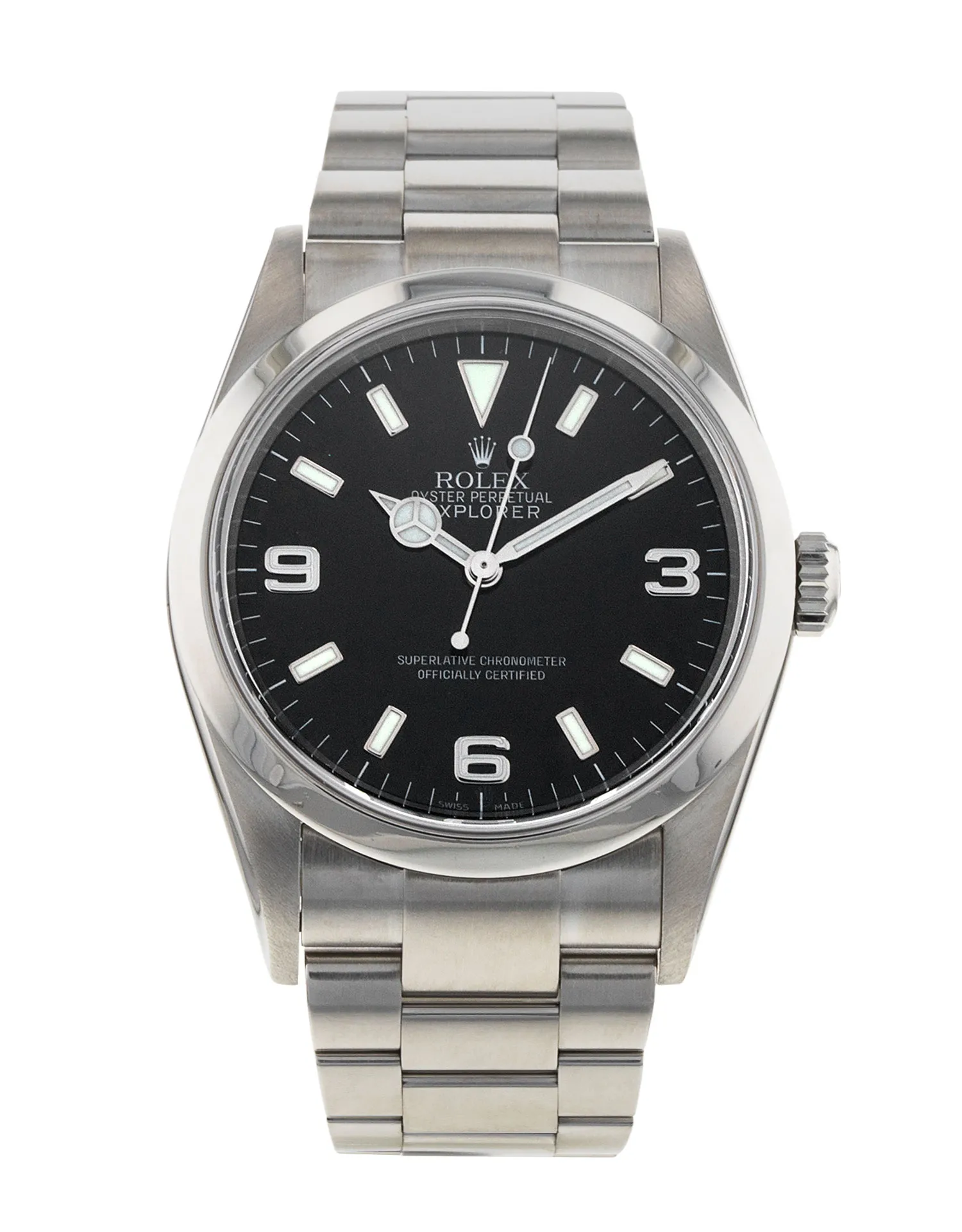
Explorer and Aqua Terra: the one-watch answer, twice
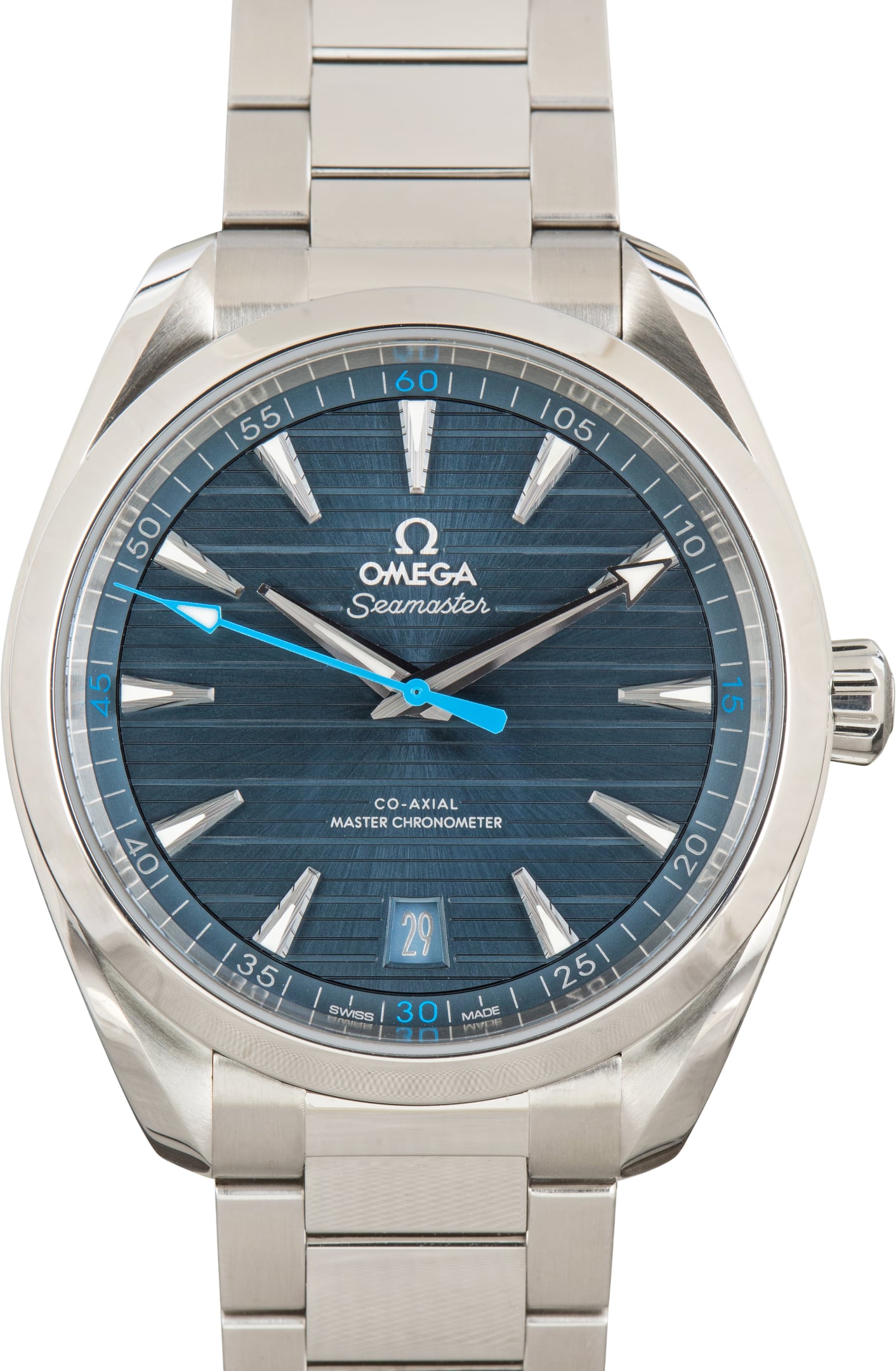
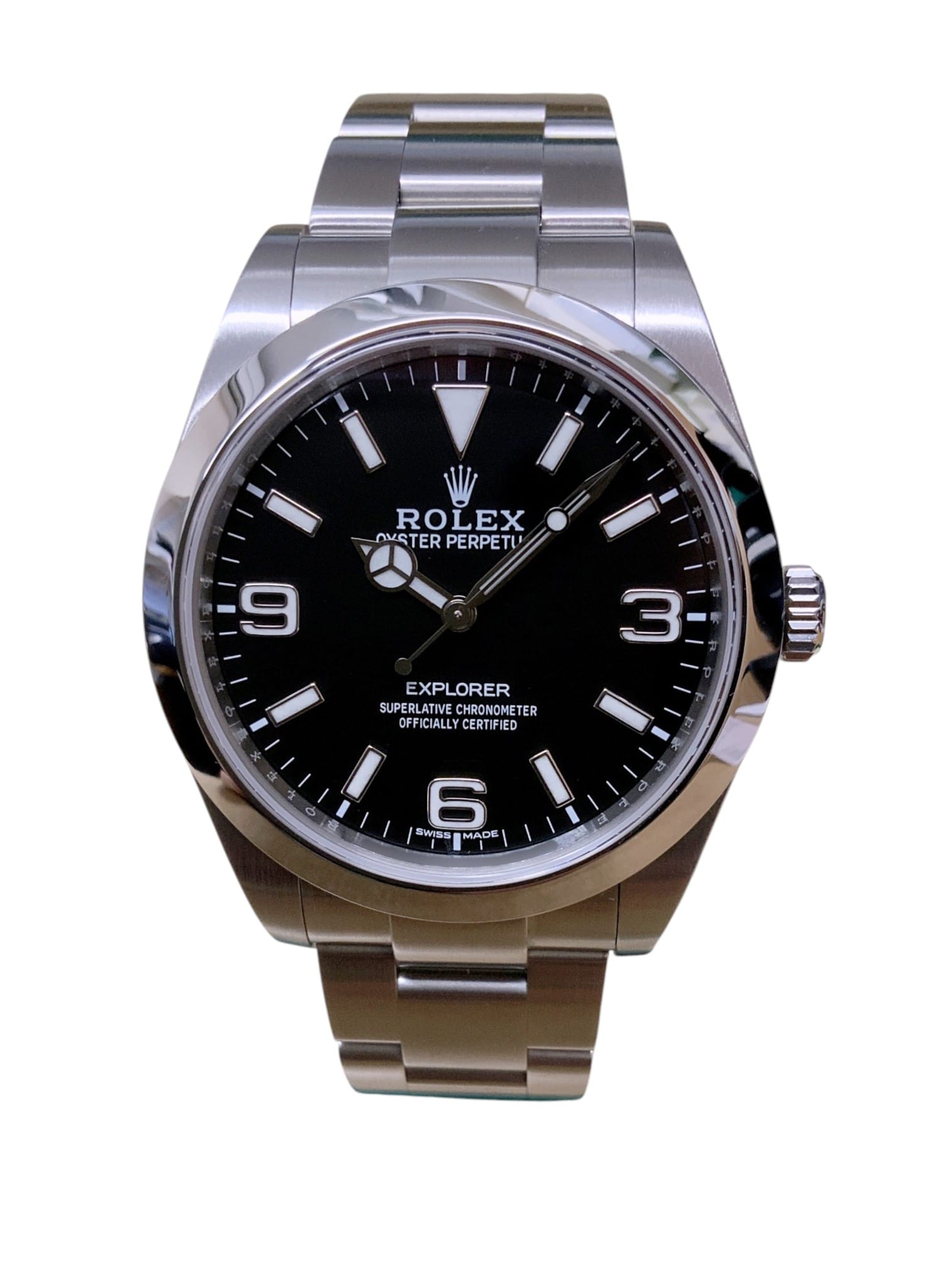
The Rolex Explorer is the purist’s pick: a direct descendant of the 1953 Everest expedition watch, deliberately stripped of date and complication, understated in steel, and hard to buy or resell at a discount because Rolex demand keeps a firm floor under it. The Omega Aqua Terra covers the same ground but reads as more versatile and a touch dressier, thanks to its horizontal “teak” deck-inspired dial and a far wider palette of colours and sizes.
What do they cost pre-owned in 2026?
UK asking prices in GBP as of August 2026, from Watchfinder, Chrono24 UK, WatchCharts UK and Bob’s Watches. Segmented by configuration, never blended.
| Segment | Reference | Pre-owned asking range (GBP) |
|---|---|---|
| Explorer 36, steel (floor) | 114270 | £5,320–£7,050 |
| Explorer 39, steel | 214270 | £6,350–£7,195 |
| Explorer 36 modern / Explorer 40 | 124270 / 224270 | £6,000–£8,500 |
| Two-tone Explorer 36 | 124273 | £8,500–£10,500 |
| Aqua Terra 150M, quartz / older (floor) | 2517 / 2503 | £1,200–£2,500 |
| Aqua Terra 150M, Co-Axial “teak” | 231.10 | £2,500–£4,000 |
| Aqua Terra 150M, Master Co-Axial | 220.10 | £3,200–£5,000 |
| Aqua Terra Worldtimer | 220.10 43mm | £5,000–£6,500 |
Wider open-market asking prices, not Chrono6538’s prices. Vintage Explorer 1016 and two-tone/gold Aqua Terras sit above these steel ranges.
Which one holds its value better?
The Explorer, and it is not close — Rolex demand keeps a firm price floor under it, so it resells quickly and at little discount, and the 114270 and 214270 have both proved resilient. The Aqua Terra is the better value on the way in but depreciates from retail like most Omegas; the winning move is to buy one used, after the first owner has taken that drop. Technically the Omega arguably out-specs the Rolex, with a METAS-certified Master Chronometer movement rated to 15,000 gauss where the Explorer leans on heritage and tool-watch simplicity. None of this is investment advice — values can fall as well as rise.
So which should you buy?
The trade is straightforward. The Explorer asks roughly double for the crown, the name recognition and the liquidity — and if those matter to you, it is one of the most honest watches Rolex makes. The Aqua Terra is the better value and the more flexible daily wearer, with more sizes, more dial colours and arguably the stronger movement, for a buyer who cares more about the watch than the badge.
Buy either with box and papers where possible — a full set makes resale easier. Chrono6538 sells authenticated, checked and guaranteed watches at a premium to the bare private-market floor. See Rolex Explorer watches → or see Omega Aqua Terra watches →
Last updated: August 2026. Prices are pre-owned market asking prices in GBP and vary with condition, box/papers and availability. Descriptive only; not investment advice.