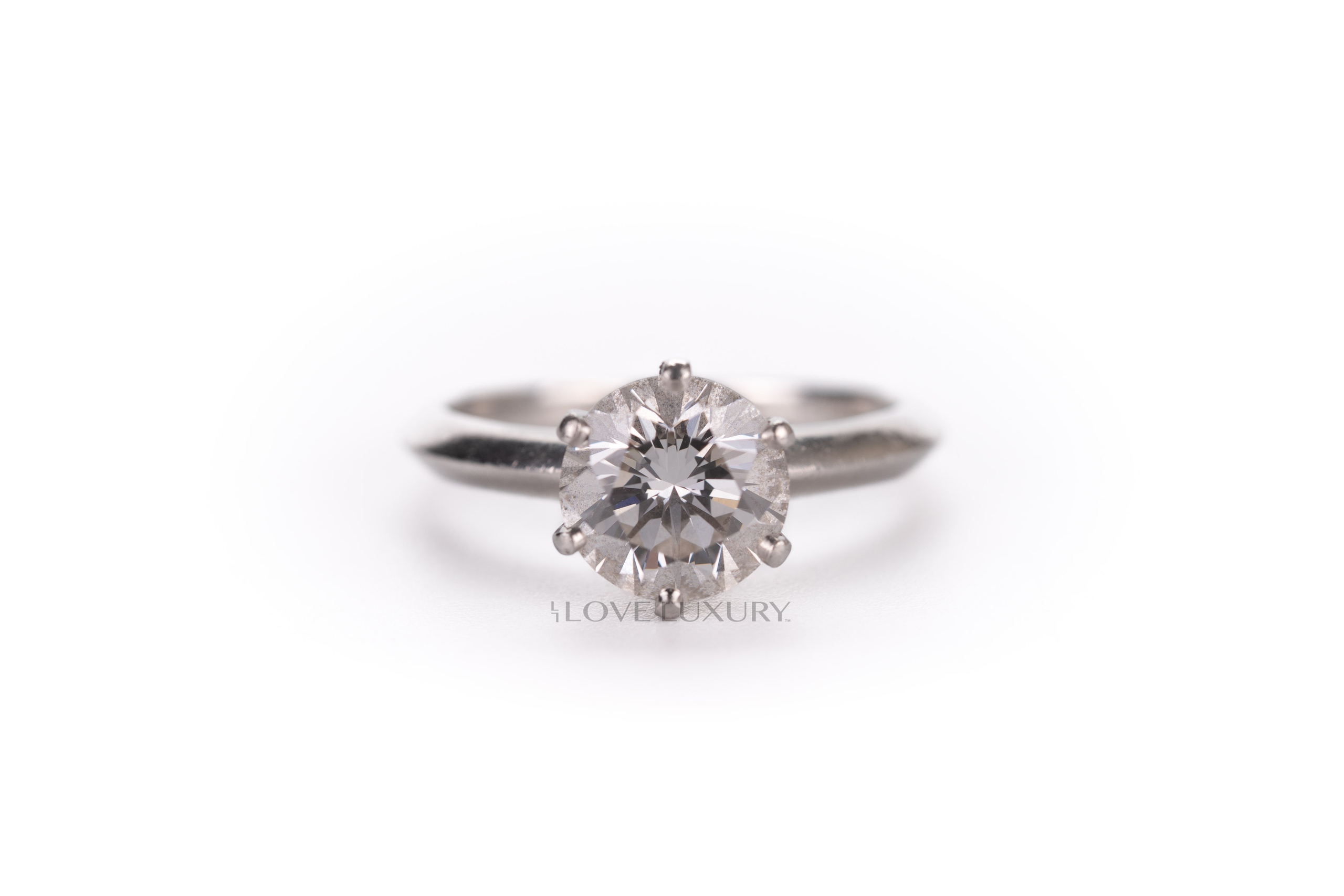
More than sixty years on, most of what “Tiffany” means to a lady choosing jewellery for herself was set in a single scene: a slim figure in a black gown stepping from a cab at dawn, coffee in one hand, pastry in the other, looking into a jeweller’s window. That is Audrey Hepburn as Holly Golightly, filmed outside Tiffany’s Fifth Avenue store in October 1960 for a film released on 5 October 1961 — and it is still the reason the name reads as elegance rather than expense.
The scene that made a jeweller famous
Breakfast at Tiffany’s was directed by Blake Edwards from Truman Capote’s 1958 novella, with George Axelrod writing the screenplay. Hepburn plays Holly Golightly, a young lady reinventing herself in New York, for whom Tiffany is less a shop than a feeling — the one place, she says, where nothing bad could happen to you. Cartier and the couture houses had dressed film stars before; what this scene did differently was tie a jeweller to an idea of self-possession and quiet glamour rather than to a man or a marriage. It is the founding text of the modern self-purchase.
The Tiffany Diamond, and who has worn it
The house’s crown jewel is the Tiffany Diamond: a 128.54-carat yellow stone cut with 82 facets — two dozen more than a standard brilliant — from a 287.42-carat rough discovered in the Kimberley mines of South Africa in 1877 and bought by the founder, Charles Lewis Tiffany, in 1878. His chief gemmologist, Dr George Frederick Kunz, oversaw the cutting. It has almost never left the house, and only a handful of people have worn it in public: the socialite Mary Whitehouse at the 1957 Tiffany Ball in Newport; Audrey Hepburn, in a “Ribbon Rosette” necklace for the 1961 publicity photographs; Lady Gaga at the 2019 Academy Awards; and Beyoncé for the 2021 About Love campaign. Sources disagree on the exact running order, so it is fairer to name the wearers than to number them.
Givenchy, and the dress that sold for £467,200
The black gown in that opening was designed by Hubert de Givenchy, who first dressed Hepburn for Sabrina in 1954 and remained her couturier and closest friend for more than forty years. Their partnership is part of why the look still holds: it was never fussy, only exact. There is a firm, dated marker of how much that image is worth to people. On 5 December 2006, one of the three surviving Givenchy dresses from the film sold at Christie’s in London for £467,200 — against an estimate of £50,000 to £70,000 — with the proceeds going to charity. A dress, not a diamond, and it still made most jewellery lots of the year look modest.
The facts, dated
| Detail | Fact |
|---|---|
| Film release | 5 October 1961 (dir. Blake Edwards, from Truman Capote’s 1958 novella) |
| Opening scene filmed outside | Tiffany & Co, 727 Fifth Avenue, New York |
| The Tiffany Diamond | 128.54 carats, 82 facets, cut from a 287.42ct rough (Kimberley, 1877) |
| Givenchy film dress, Christie’s London | £467,200 realised (5 December 2006) |
| Return to Tiffany heart tag, entry point | from ~£300 (July 2026) |
Owning a piece of the story today
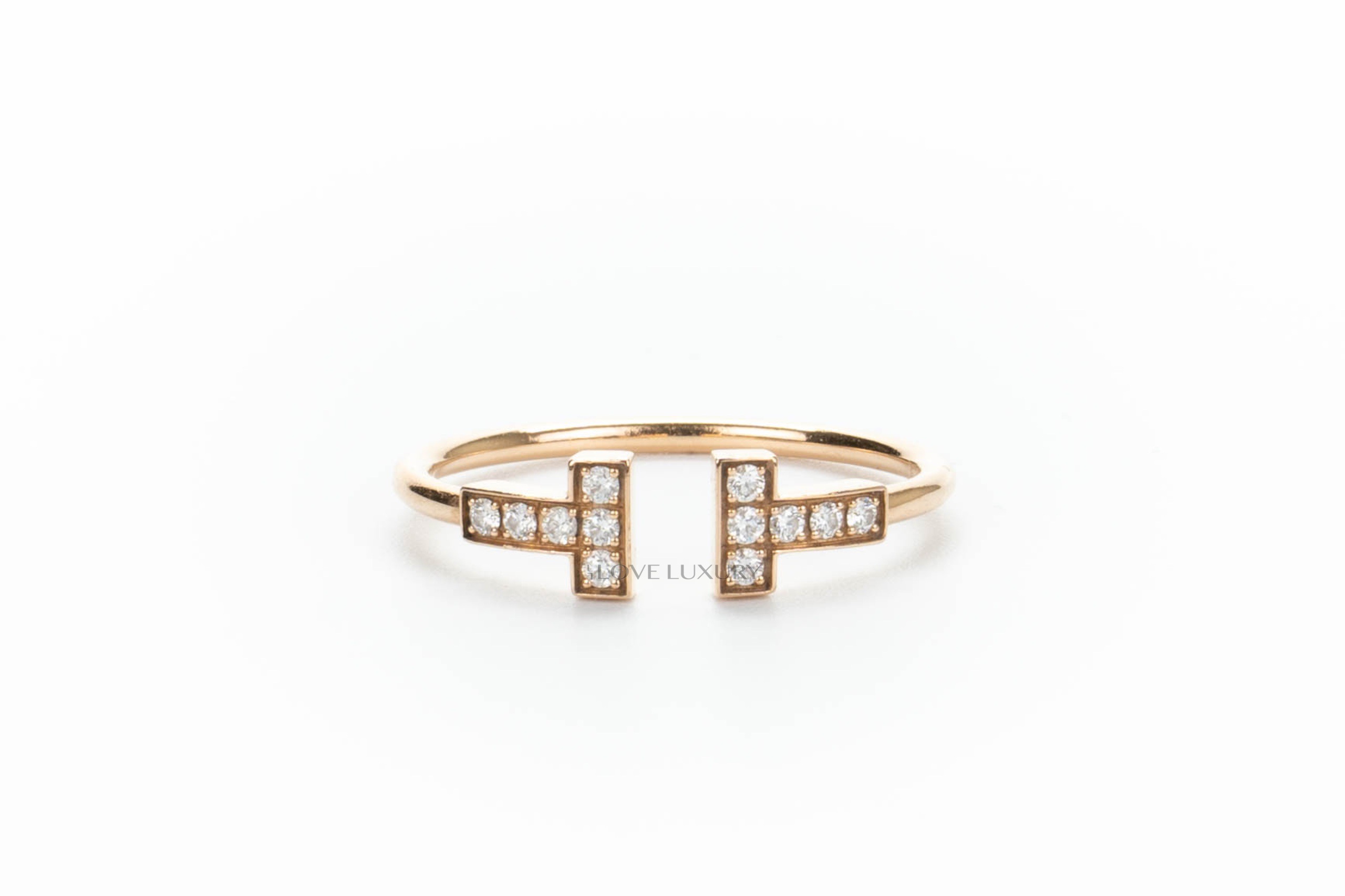
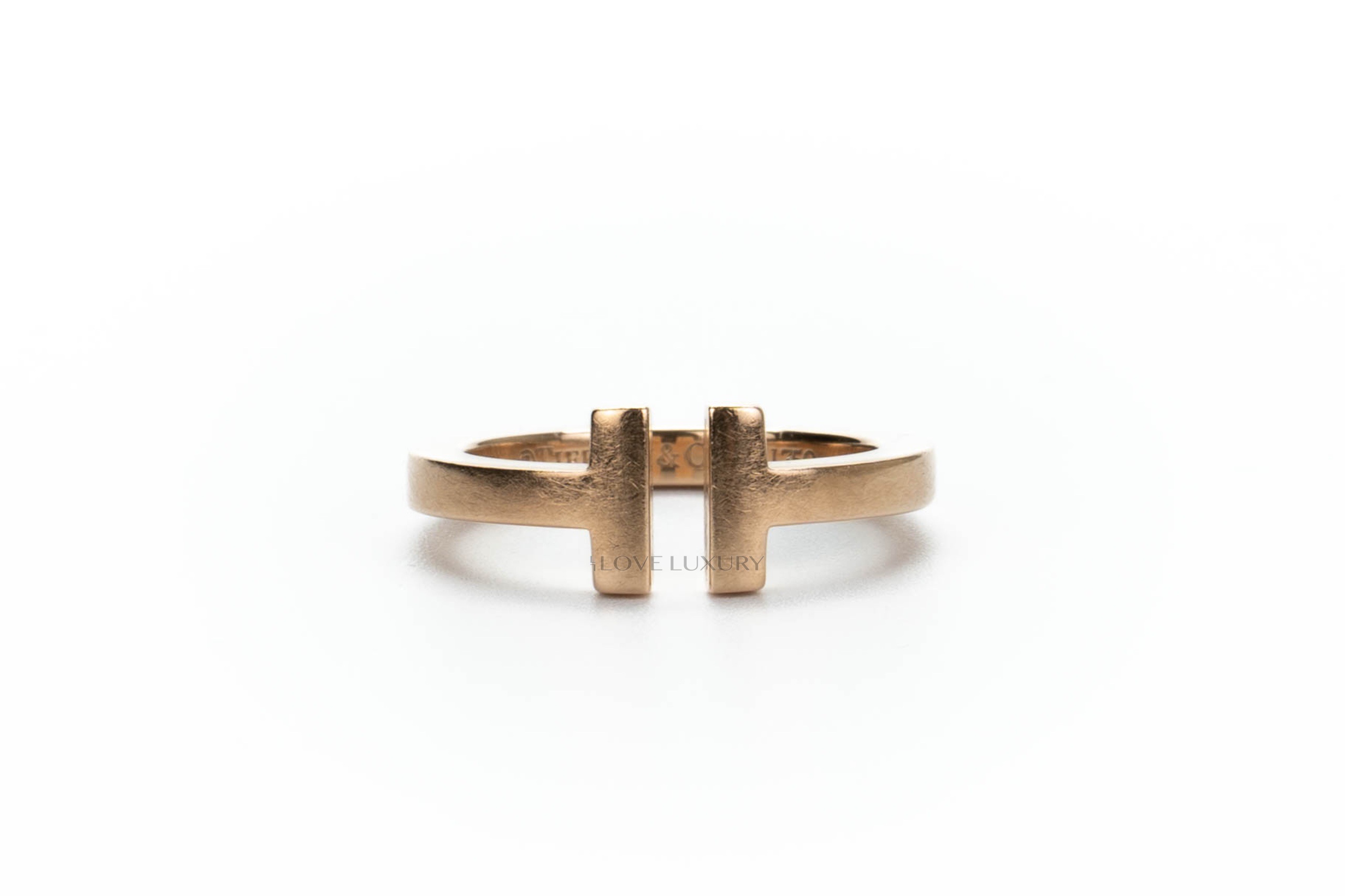
You do not need the diamond to buy into the idea. Tiffany’s own entry pieces — a Return to Tiffany silver heart tag from around £300, as of July 2026 — are where a great many ladies start their Tiffany story, usually bought for themselves. Above that sit the modern everyday icons: the Tiffany T, in gold and diamonds, designed to be lived in rather than saved for best. And because estate and vintage Tiffany trades actively on the secondary market — from Elsa Peretti’s Open Heart to signed early-twentieth-century pieces at the big auction houses — a genuine piece of the house is more within reach than the film would suggest.
Whatever you choose, the point Holly Golightly made still stands: the best pieces are the ones you pick for yourself. Buy them authenticated and guaranteed — and yours to love. See the Chrono6538 jewellery collection →
Article last updated July 2026. Historical facts sourced from public records; the £467,200 figure is the realised price at Christie’s London, 5 December 2006. Retail figures are indicative and change.