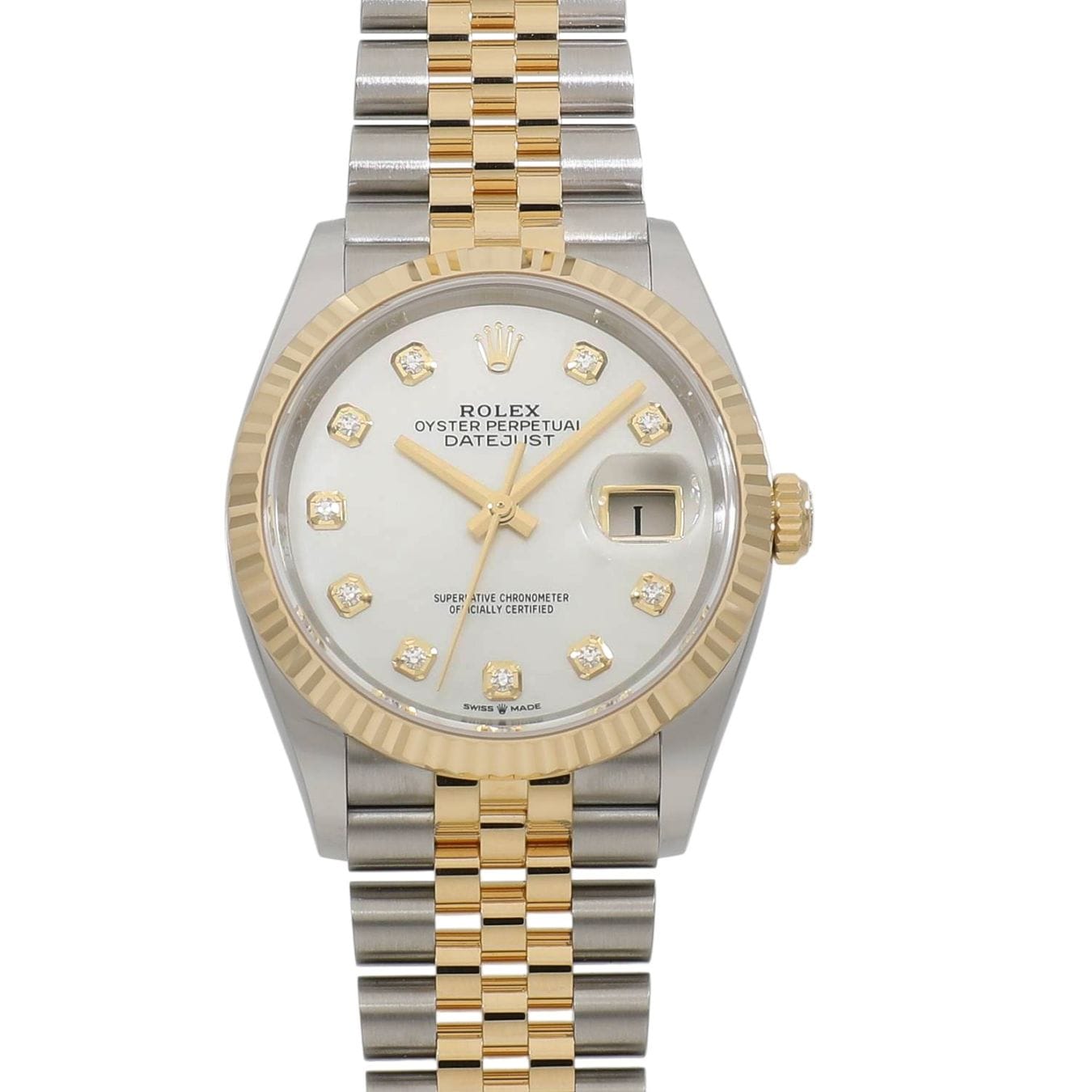


A collection starts with one watch you will actually wear: to work, at the weekend, out to dinner, most days of the week. Often it is bought to mark something, a promotion, a significant birthday, the end of a long project, and bought by you, for you. Choose a versatile classic that suits your wrist and your day, set a budget you are comfortable with, and buy the best condition you can from a seller who authenticates everything. Wear it, learn what you are drawn to, and only then add a second piece that does a different job. Collecting is a slow pleasure; buy fewer, better watches.
There is an old assumption that watch collecting is a man’s world of dive watches and specification sheets. It is not. More and more ladies buy watches for themselves, for the design, the making, the meaning and the milestone, and build collections that are entirely their own. This is a practical guide to where to begin.
The one rule that matters most
Buy the watch you will wear. The best first watch is not the rarest or the most talked-about; it is the one that feels like you and goes on your wrist most mornings. A useful test is the daily-wear principle: your first watch should be one you would happily wear most of the time, across work, weekends and dinners. Everything else in a collection is built around that anchor.
Step one: set a comfortable budget
Decide what you are genuinely comfortable spending before you fall for anything. Pre-owned makes a given budget go much further than buying new, and many of the classics are only available pre-owned. Rather than quote figures that date within months, here is how the field arranges itself, from the most accessible to the most costly, on the UK pre-owned market:
| Where it sits | What it typically includes |
|---|---|
| The most accessible | Vintage Omega (Constellation, De Ville), smaller steel Cartier, entry ladies’ watches |
| The classic steel tier | Classic Cartier Tank and Panthère, steel Rolex Datejust 31 / Lady-Datejust |
| Gold and two-tone | Gold or two-tone Datejust, gold Tank, gem-set dials |
| Precious metal and gem-set | Solid-gold Panthère, diamond-set Lady-Datejust, rarer references |
Within each tier, the same things move the figure: the metal, any gem-setting, the case size, whether the reference is current or discontinued, the condition, and whether the original box and papers are present.
Step two: choose your first watch
A good first watch is versatile, well made, recognisable and steady on the resale market, so that if your taste changes you have lost little. These five are the classic starting points, each suiting a slightly different lady:
| Watch | Why it makes a good first watch |
|---|---|
| Cartier Tank | The design classic; flat, elegant, genuinely unisex, about a century of history |
| Cartier Panthère | A watch that wears like jewellery; soft and supple, right by day and in the evening |
| Rolex Lady-Datejust / Datejust 31 | Robust, automatic and endlessly classic; a watch for every day of the week |
| Omega Constellation | Well made and often the most approachable way into a great house |
| Omega De Ville | An understated, slim dress watch for a quieter taste |
If you are torn between the two great ladies’ Cartier watches, our guide to the Cartier Panthère vs Tank walks through which to buy first. To understand what drives the Tank’s value, see how much a Cartier Tank is worth.
Step three: get the fit right
A watch you love but never wear is a mistake repeated daily. Before you commit, consider:
- Case size. Many ladies suit cases between 24mm and 33mm, but there is no rule; the right size is the one that looks and feels right to you. The mood now is relaxed: a lady’s watch is simply any watch a lady chooses to wear.
- How it sits. A flat watch like the Tank sits still and slides under a cuff; a bracelet watch like the Panthère drapes and moves. Try both if you can.
- Bracelet or strap. A bracelet is lower-maintenance and dressier; a strap is easy to change for a different colour and reads more casual.
- Quartz or mechanical. Quartz is set-and-forget and keeps a watch slim; mechanical has the appeal of a movement but needs occasional winding and service.
Step four: buy well, once
Condition and completeness matter more than chasing the rarest reference. A few principles that protect a first-time buyer:
- Buy authenticated. Choose a specialist who authenticates every watch and describes condition exactly as it is.
- Value box and papers. A complete watch is more reassuring to own and worth more when you come to sell.
- Favour classics. Long-running models from strong houses are the easiest to resell and the least likely to disappoint if your taste changes.
- Don’t rush. The right example of the right watch is worth waiting for.
Step five: let the collection grow naturally
Once you have lived with your first watch, you will know what is missing. Most ladies build outward by job rather than by brand: a dressier piece for evenings, a sportier steel watch for weekends, perhaps a vintage find with a story, or a gem-set watch for a milestone. A satisfying first three might be one classic, one casual and one watch that marks something: a promotion, an anniversary, a fiftieth. There is no finish line; the pleasure is in the building.
How these classics hold their value
Part of why these are sensible first watches is that they tend to keep their value, which lowers the cost of learning your own taste. Cartier and Rolex classics are among the most easily resold ladies’ watches on the pre-owned market, supported by steady demand and by regular rises in retail prices for the new equivalents. This is general context, not a valuation or a promise of return.
Within any one model, the spread between examples is wide, and it follows the same logic each time. A steel Tank and a solid-gold Tank Louis Cartier are the same design at very different levels, because of the metal. A steel Datejust moves with its bezel and dial: a fluted gold bezel or a gem-set dial puts it higher. Beyond that, an honest, unpolished example with its box and papers is worth more, and resells more easily, than a tired one without.
A final word
Collecting is not about status or specification sheets. It is about owning a few well-made things that mark your own story and that you enjoy wearing. Start with one. Choose it carefully, buy it well, and wear it. The rest will follow.
Frequently asked questions
How do I start a luxury watch collection as a lady?
Begin with one versatile classic you like enough to wear most days, decide on a comfortable budget, buy the best condition you can from a seller who authenticates, then add pieces slowly as you learn your taste. Buy fewer, better watches.
What should be my first luxury watch?
A versatile classic that works from morning to evening: the Cartier Tank, the Rolex Lady-Datejust or Datejust 31, the Cartier Panthère and the Omega Constellation or De Ville. All are recognisable, well made and keep their value well.
How much do I need to start?
Less than many assume, if you buy pre-owned. Vintage Omega and smaller steel Cartier are the most accessible; classic steel Tank, Panthère and Lady-Datejust models come next; gold, two-tone and gem-set pieces sit above. Metal, gem-setting, size, condition and box and papers move the figure most.
New or pre-owned?
Pre-owned is often the better first purchase: your budget reaches a better model, discontinued classics become available, and a well-bought classic keeps its value well. Buy from a specialist who authenticates every watch.
Market context reflects publicly reported trends; tiers are general guidance, not valuations or offers. Written by Justin Williams, founder of Chrono6538, a UK specialist in authenticated pre-owned watches and fine jewellery.