An automatic watch runs on movement. Wear it and the rotor inside keeps the mainspring wound; leave it in a drawer and it winds down and stops, usually within a day or two. If you own one you reach for only now and then, that is completely normal behaviour, not a fault. The trick is knowing how to bring it back to life without fumbling, and how to store it so that reaching for it never feels like a chore.
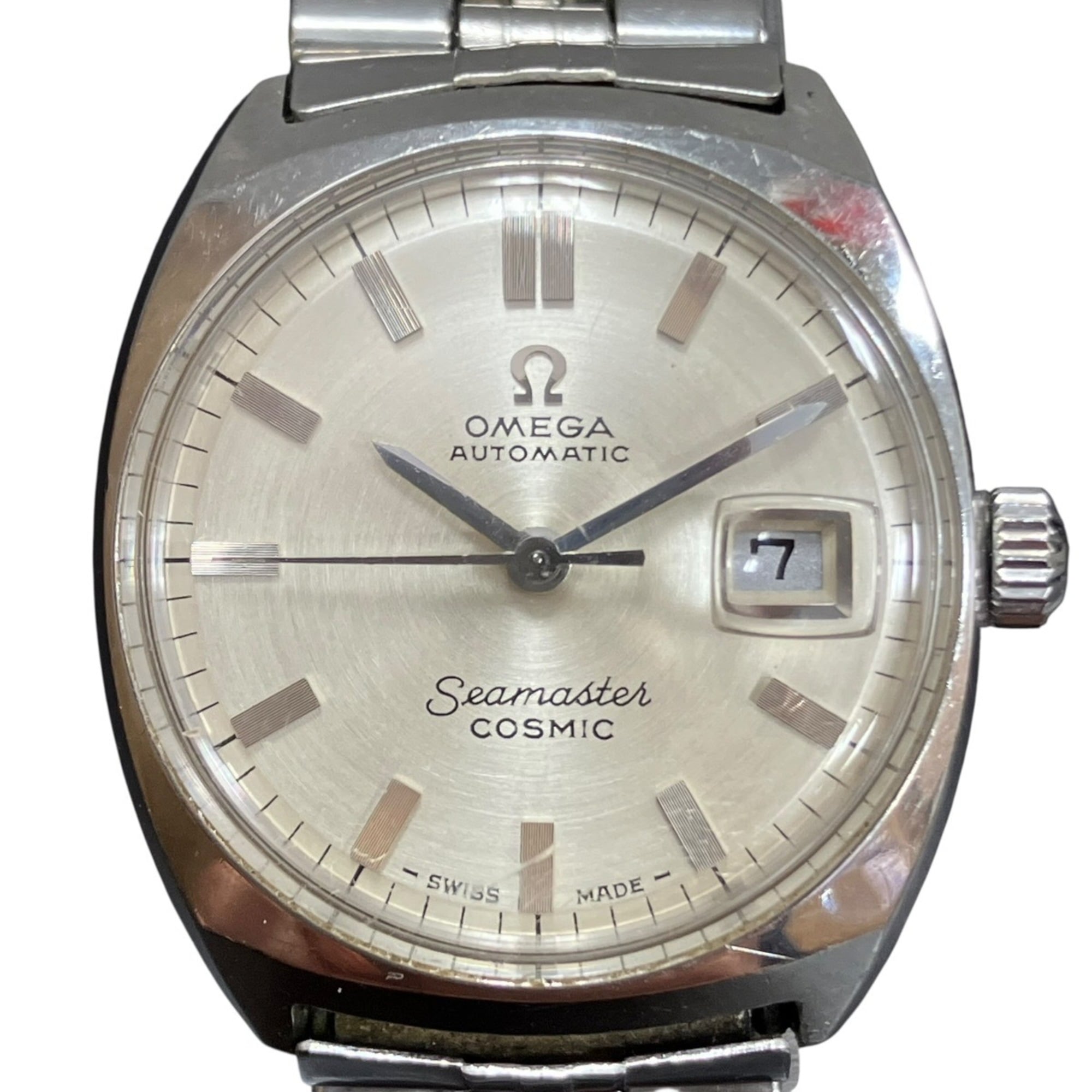
How do you wind an automatic watch that has stopped?
Take it off your wrist first, so you are not putting sideways pressure on the winding stem. Turn the crown gently forwards (away from you) between finger and thumb, twenty to thirty turns. You are not looking for a hard stop the way you get with a manual watch; most automatics have a slipping clutch that simply stops the spring over-winding, so once the seconds hand is sweeping happily you have done enough. Then set the time and push the crown back in. If it is a screw-down crown, remember to screw it back down snugly, which is what keeps the water resistance intact.
What is the safe way to set the date?
This is the part worth getting right, because it is where automatics most often come to grief. Most movements have a “danger zone” roughly between 9pm and 3am when the date change is engaged; forcing the date over by hand in that window can strain the mechanism. The safe habit: wind the watch, then turn the hands forward past midnight once to see whether the date flips, so you know whether it is currently showing today or tomorrow. Move the hands to around six o’clock, well clear of the danger zone, set the date to yesterday’s number, then wind the hands forward through midnight to today and on to the correct time. It sounds fiddly written down; after you have done it twice it takes half a minute.
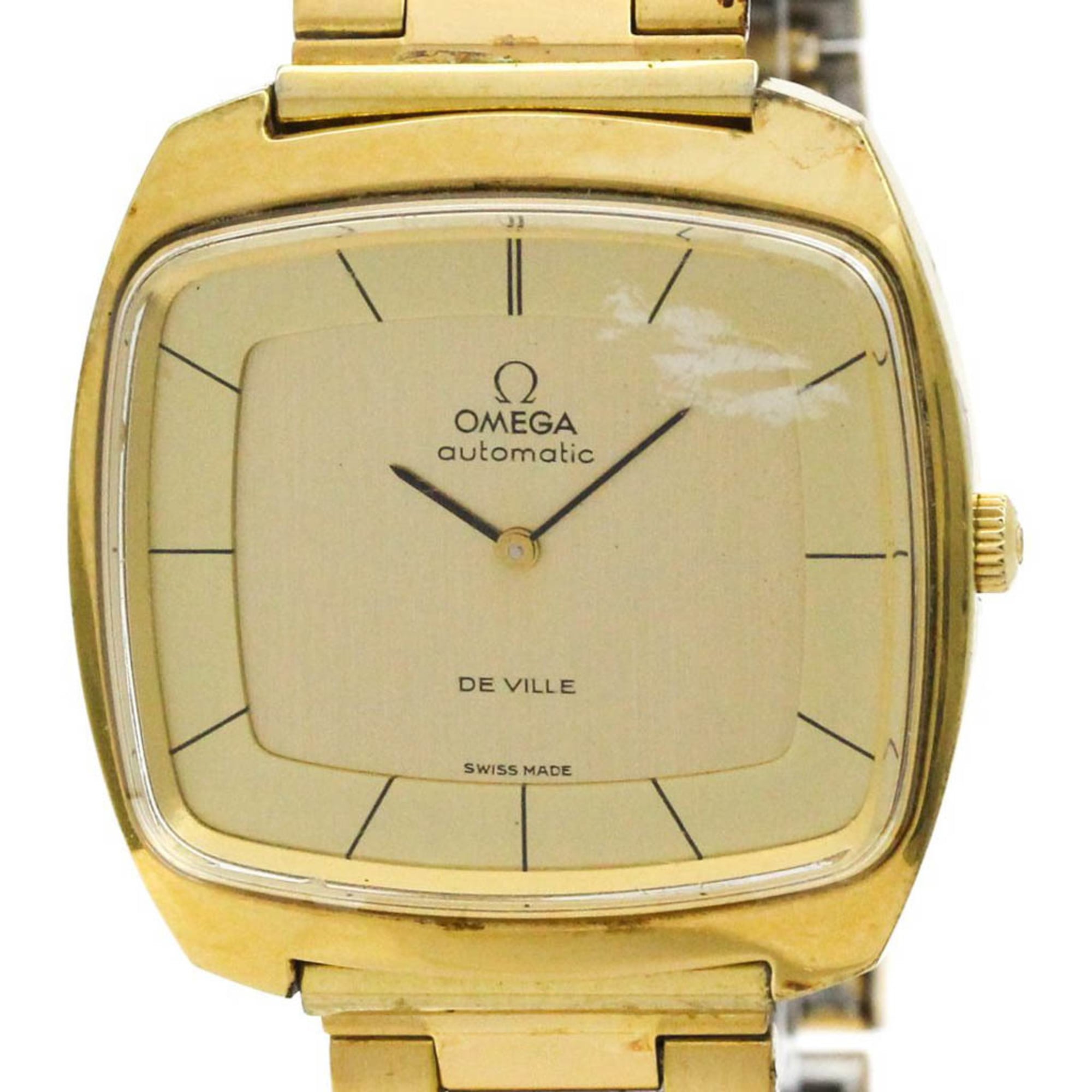
Should you buy a watch winder?
A winder is a small motorised box that gently rotates the watch to keep it running while it sits unworn. They are lovely objects and genuinely useful if your watch has a fussy calendar (a moonphase or an annual calendar you would rather not reset). For a straightforward three-hand automatic with a date, though, a winder is a luxury, not a necessity. There is nothing harmful about letting a watch stop; a mechanical movement is not damaged by resting. Many collectors prefer to let pieces they wear rarely simply sleep, and wind them by hand on the morning they choose them. Buy a winder because you enjoy it, not because you have been told your watch needs one.
How should you store it between wears?
Keep it somewhere dry and stable, away from radiators, sunny windowsills and anything with a strong magnet (speakers, tablet covers, handbag clasps). The original box is ideal; a soft pouch inside a drawer is perfectly fine too. If you are storing several pieces, a simple lined tray or a watch roll stops them knocking together. Give the crystal an occasional wipe with a soft cloth, and if it is a water-resistant model that lives near a bathroom, the odd rinse of the case under cool water keeps perfume and skincare from building up in the lugs.
A watch you actually wear
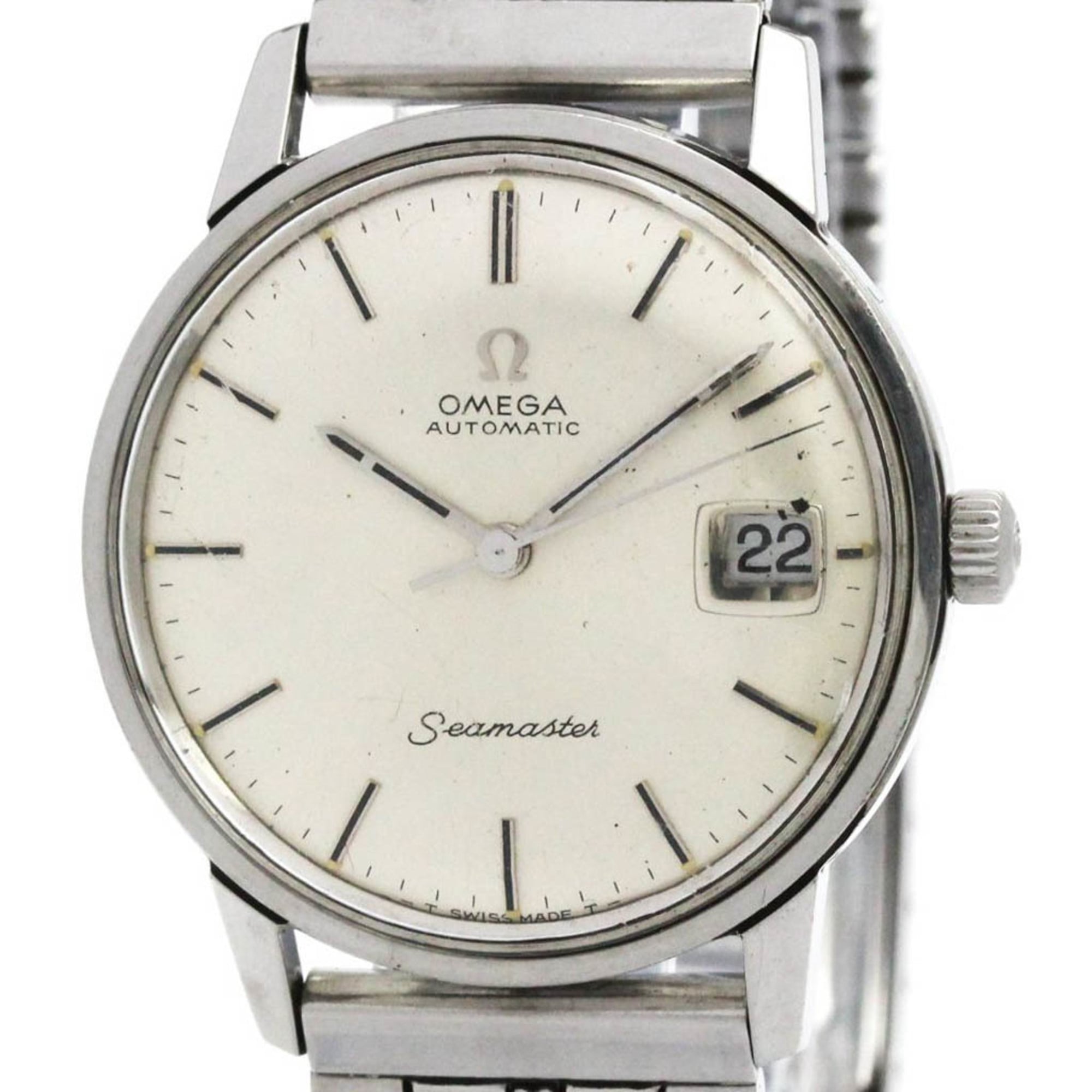
The honest truth is that the best care for an automatic is to wear it. A watch that comes out twice a year will always feel like a stranger; one you slip on for a Tuesday as readily as a wedding stays wound, stays familiar, and quietly earns its place. If you are choosing a piece to live with rather than admire, the everyday Omega and Longines automatics are a forgiving place to start, and every one we sell is authenticated and checked before it reaches you. Browse the pre-owned automatics and pick the one you would reach for without thinking.