A steel Omega Speedmaster Moonwatch and a steel Rolex Daytona are the same idea — a manual-era racing chronograph turned icon — but they are not the same money. As of August 2026 a pre-owned steel Speedmaster runs about £2,800–£5,500; a steel Daytona runs about £16,000–£23,000. The Daytona costs roughly four to six times as much for a directly comparable watch, and the honest question is what that multiple actually buys you.
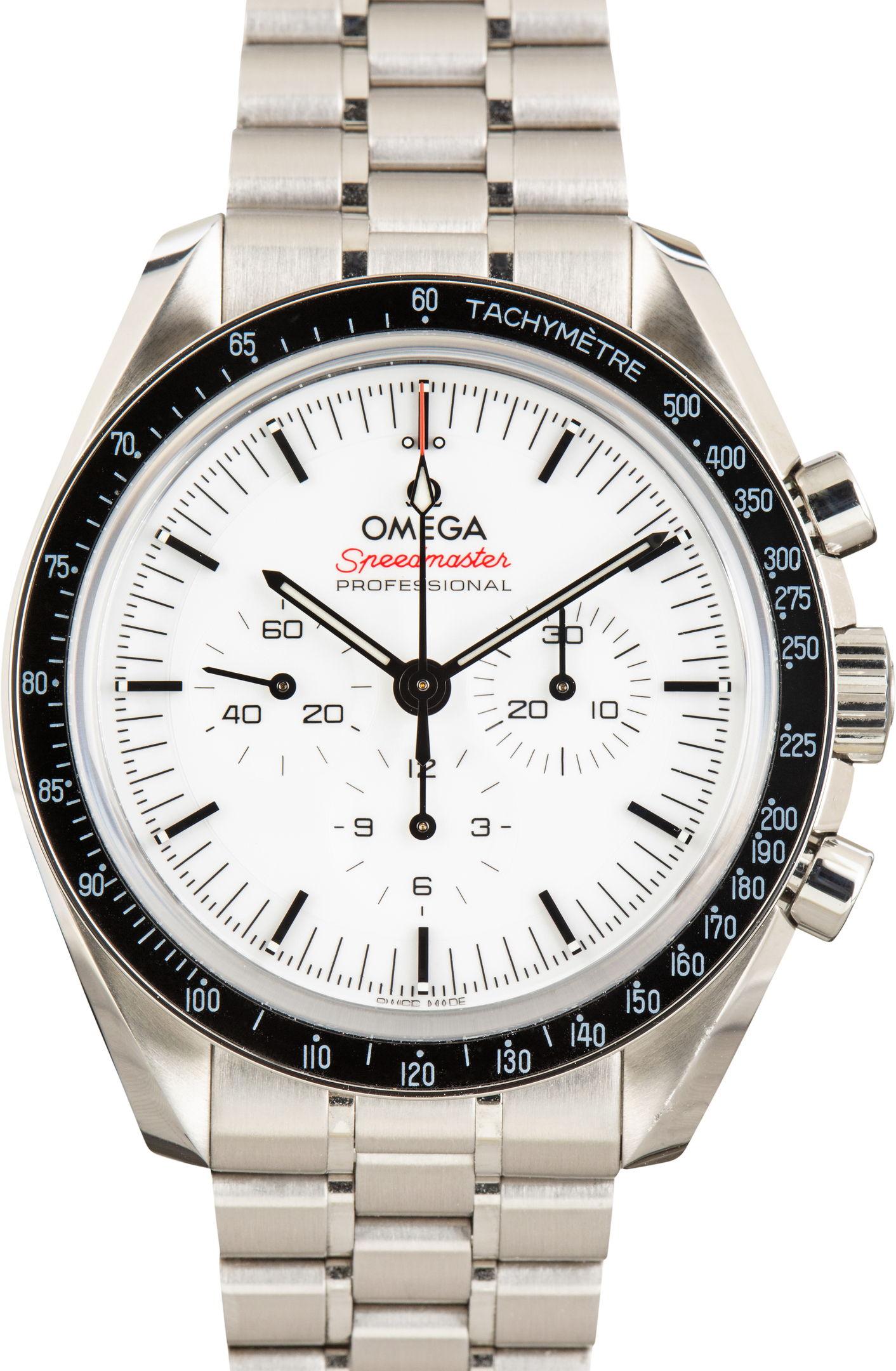
Speedmaster and Daytona: what are you comparing?
The Omega Speedmaster is bought for what it is rather than what it signals: a hand-wound, NASA flight-qualified chronograph you have to wind yourself, worn flat and light at 42mm. The Rolex Daytona is a status object first and a chronograph second — an automatic in-house calibre 4130, a screw-down-pusher Oyster case that shrugs off daily wear, and a name that holds value in a way the Omega does not. Both descend from 1960s motorsport chronographs; the gap between them today is mostly about demand, not engineering.
What do they cost pre-owned in 2026?
UK asking prices in GBP as of August 2026, from WatchCharts UK, Chrono24 UK, Chronofinder and Bob’s Watches. Segmented by configuration — steel is the like-for-like comparison; precious metal and vintage sit far above.
| Segment | Reference | Pre-owned asking range (GBP) |
|---|---|---|
| Speedmaster — current Moonwatch (3861) | 310.30.42 / 310.32.42 | £3,900–£5,500 |
| Speedmaster — older steel Professional (1861/861) | 3570.50 / 145.022 | £2,800–£6,500 |
| Speedmaster — Reduced / automatic (entry) | 3510.50 | £1,600–£2,600 |
| Speedmaster — special editions | Silver Snoopy 50th | £11,000–£14,000 |
| Daytona — steel ceramic | 116500LN | £19,000–£23,000 |
| Daytona — steel, previous gen | 116520 | £16,000–£23,000 |
| Daytona — two-tone (floor) | 16523 / 116503 | £12,000–£19,000 |
| Daytona — Paul Newman vintage | 6239 / 6263 | £150,000–£400,000+ |
Wider open-market asking prices, not Chrono6538’s prices. Precious-metal Daytonas (white and yellow gold) run £30,000–£55,000-plus and are excluded from the steel comparison.
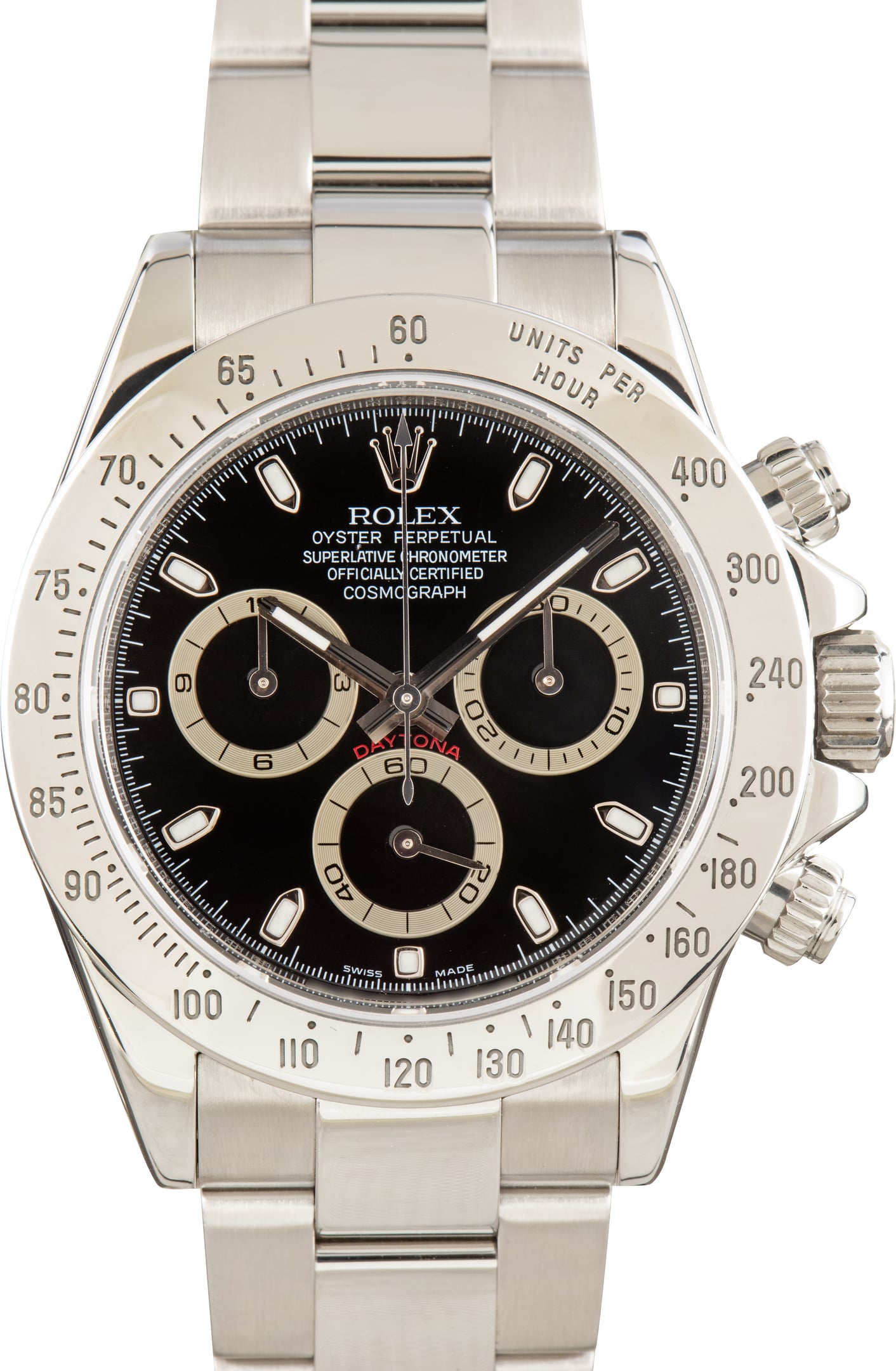
Which one holds its value better?
The Daytona, plainly — and it is not close. Steel Daytona demand has outrun supply for years, so a good one changes hands quickly and at a firm price; the pre-owned market for it is deep and liquid. The Speedmaster depreciates modestly from retail and then settles, because Omega makes enough of them that there is no scarcity premium on the standard Moonwatch. The exceptions on the Omega side are the limited pieces — the Silver Snoopy editions and vintage calibre-321 references — which behave more like the Daytona. This is descriptive, not investment advice; values can fall as well as rise.
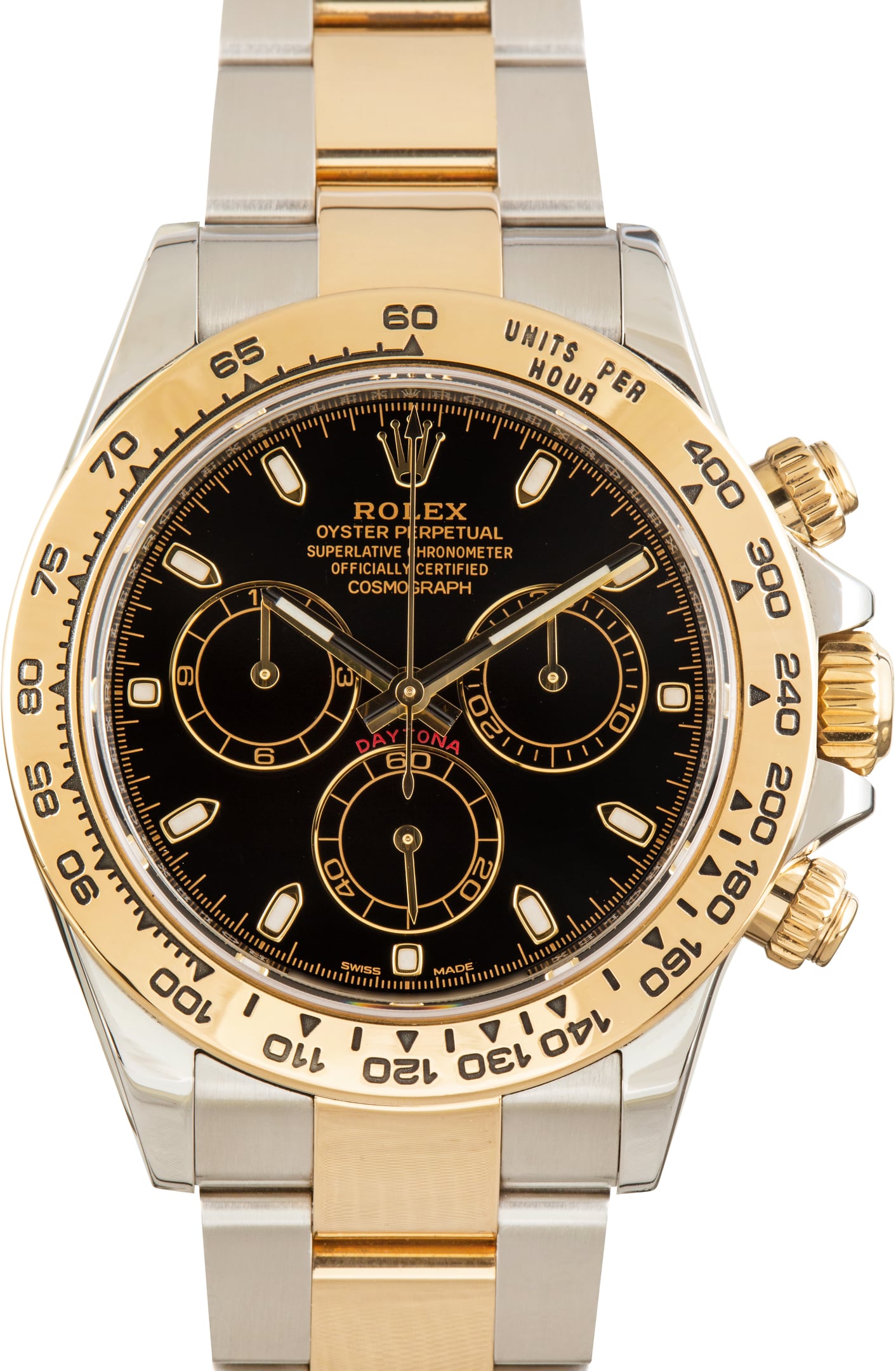
So which should you buy?
On the wrist the Speedmaster is the more wearable everyday chronograph and, at a quarter to a sixth of the price, the connoisseur’s value pick — the one you wear because you love watches. The vintage 145.022 in particular gives you real history for Daytona-entry money on the Omega side.
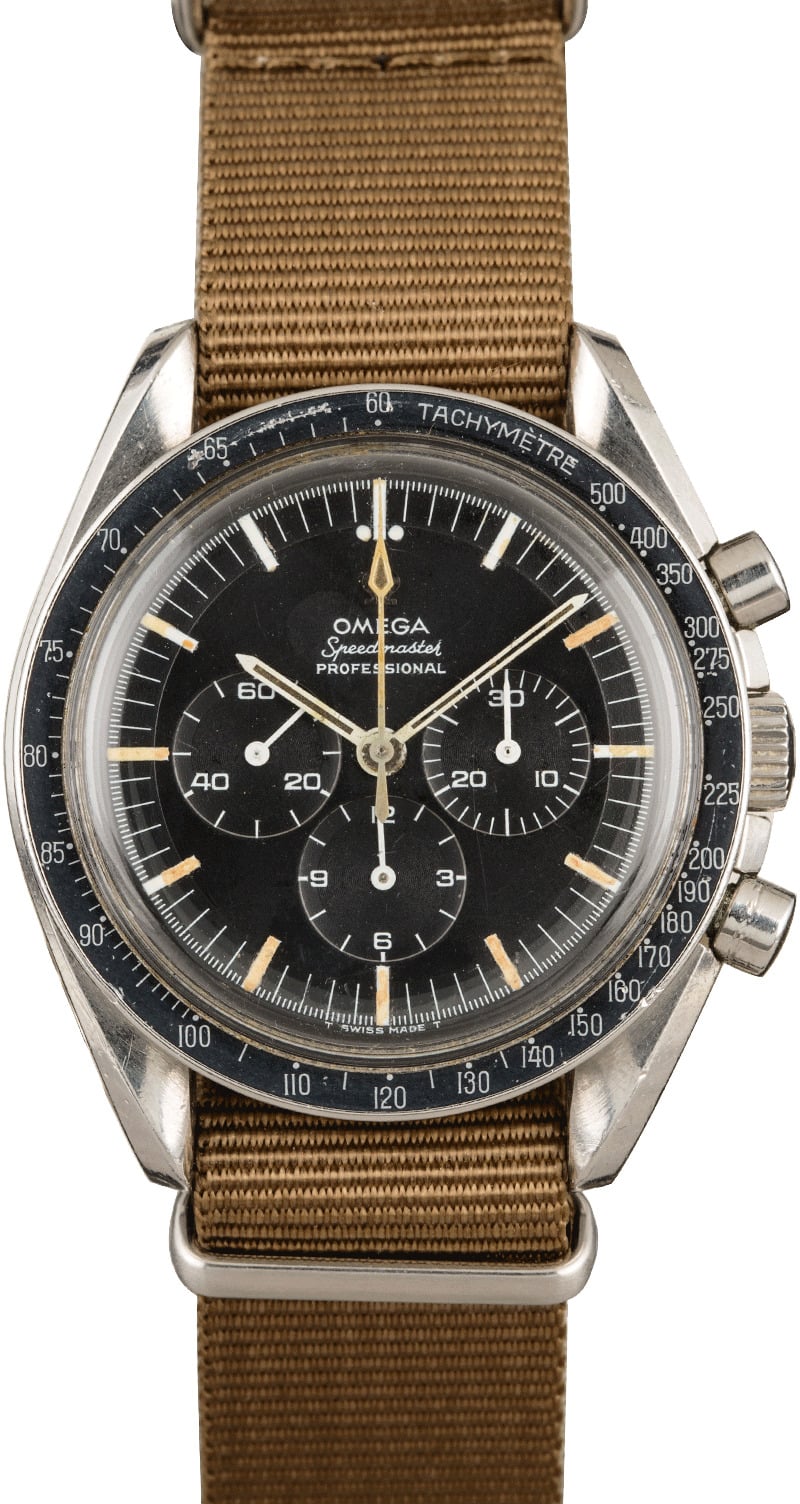
The Daytona is the harder-to-get trophy that trades some practicality for prestige and a far stronger resale market. If liquidity and the crown matter to you, it earns its premium; if mechanical honesty and value matter more, the Speedmaster wins. Buy either with box and papers where you can — a full set makes resale easier on both. Chrono6538 sells authenticated, checked and guaranteed examples at a premium to the bare private-market floor. See Omega Speedmaster watches → or see Rolex Daytona watches →
Last updated: August 2026. Prices are pre-owned market asking prices in GBP and vary with condition, box/papers and availability. Descriptive only; not investment advice.