The clasp is the part of a watch you touch most and think about least, and yet it does more for comfort, security and how the watch sits than almost anything except the case size. A watch can be beautiful and still feel wrong on the wrist because its clasp is fiddly, digs in, or leaves the fit slightly off. Knowing the main types, and what each does well, makes it far easier to choose a watch you will actually enjoy wearing.
What is a deployant clasp?
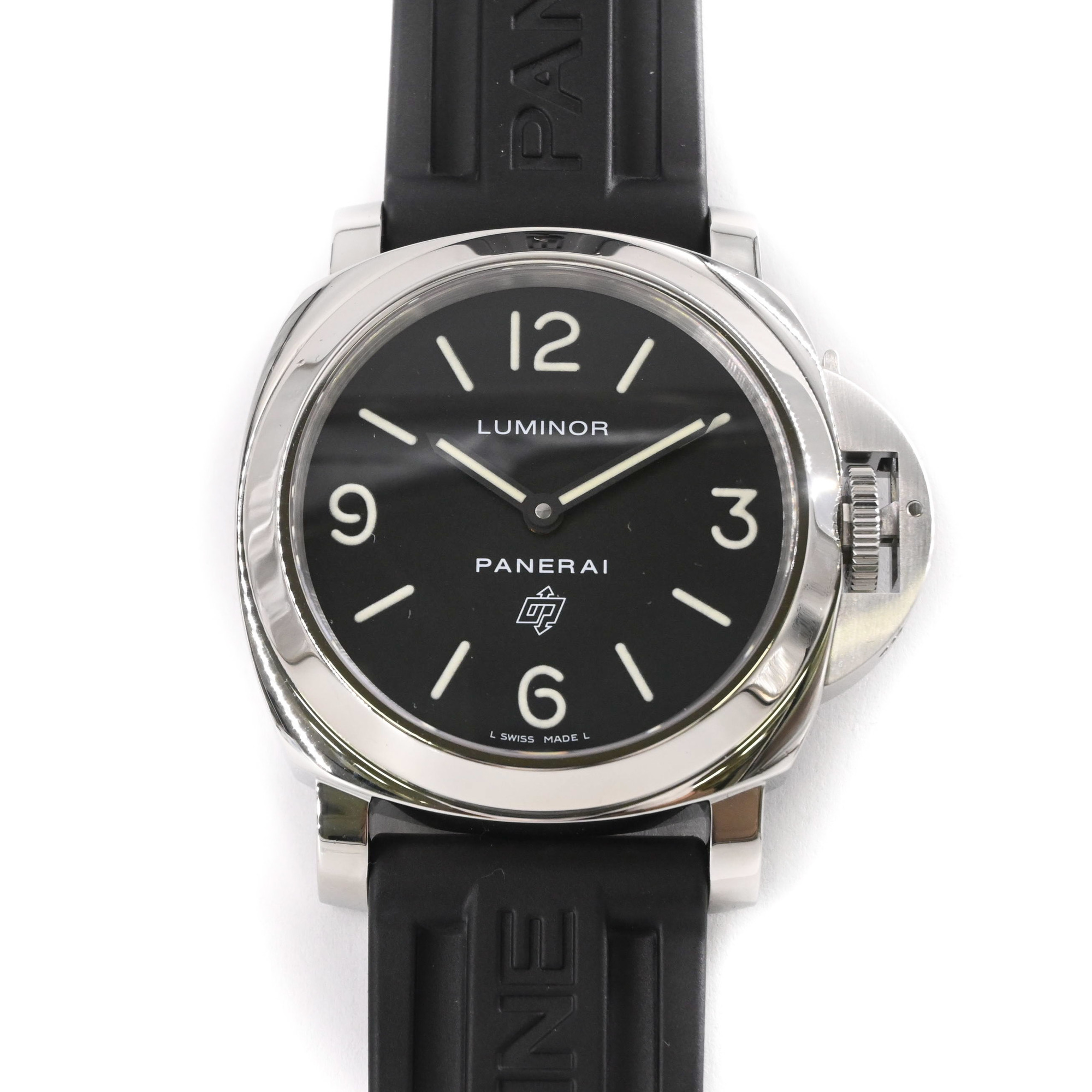
A deployant (sometimes written deployment) clasp is the folding mechanism you find on a leather strap in place of a simple pin buckle. Instead of threading the strap through a buckle and poking a pin through a hole, the two hinged arms fold out and click shut, so the strap forms a continuous loop that you slip your hand into. The advantages are real: the leather is not bent double and creased through a buckle every day, so the strap lasts far longer; the watch cannot fall from your wrist if the pin slips, because there is no pin; and it gives a cleaner, more finished look. The trade-off is that the fit is set once, so it needs adjusting to your wrist rather than choosing a hole each morning.
How is a folding clasp different?
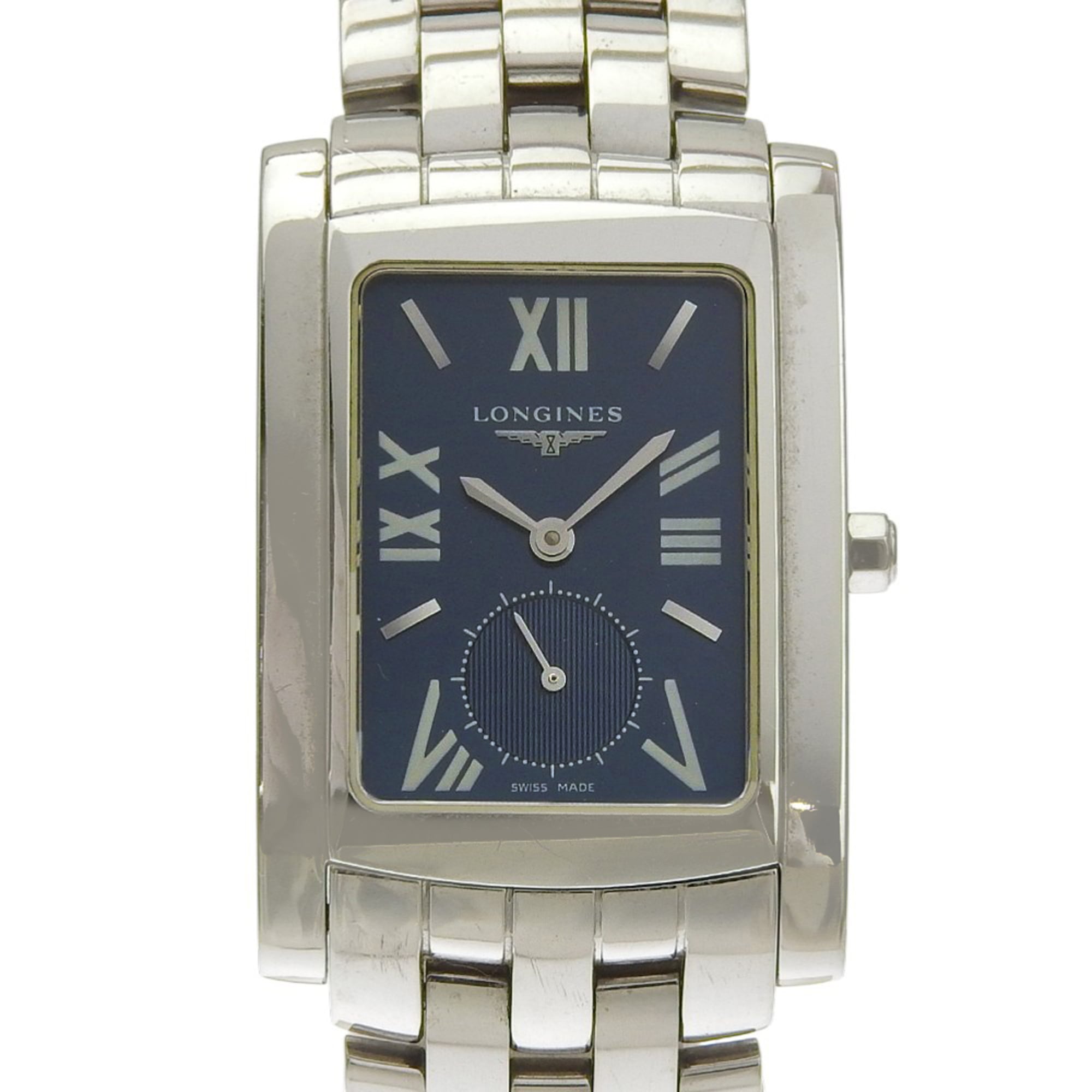
On a metal bracelet, the equivalent is a folding clasp, and the nicest examples are hidden underneath so the bracelet appears to run unbroken around the wrist, which is the mark of a good dress watch. Some fold in a single layer, some in two or three for extra security, and better ones include a small fold-over safety catch so it cannot spring open by accident. For a lady’s bracelet watch this matters more than it sounds, because a bracelet that pops open unnoticed is how watches are lost.
Why does the clasp decide the fit?
A watch should sit so it can rotate a little but not slide up and down your forearm, and the clasp is where that fit is won or lost. The best clasps include micro-adjustment: a few extra notches inside the clasp itself that let you lengthen or shorten the bracelet by a link’s width without a tool. This is quietly brilliant, because a wrist swells in heat and shrinks in cold, and being able to nudge the fit by a couple of millimetres is the difference between a watch you forget you are wearing and one you keep fidgeting with. When you try a watch, work the clasp a few times: does it open easily, close with a reassuring click, and sit flat and smooth against the underside of your wrist?
Which should you choose?
For a leather-strap dress watch, a deployant clasp is a lovely upgrade that protects the strap and the watch both. For an everyday metal bracelet, look for a folding clasp with a safety catch and, ideally, some micro-adjustment. Neither is “better”; they suit different watches and different days. What matters is that the clasp is secure, comfortable and easy for you to fasten one-handed. The elegant bracelet watches from Longines and the fitted bracelets on a Rolex Datejust are two good ways to feel the difference for yourself. Every piece we sell is authenticated, and we are happy to help you get the fit right; browse the pre-owned bracelet watches we have now.
![[NEW] ROLEX DATEJUST 36 126233 CHAMPAGNE MEN'S Watch](https://chrono6538.com/wp-content/uploads/2026/06/000000002915_33eIHb7.jpg)