Two watches can share the same case, the same dial colour and the same hands, and feel like entirely different objects because of one detail: how the hours are marked. Markers are the punctuation of a dial. They decide whether a watch reads as classical or modern, dressy or sporty, quiet or bold, and they are one of the first things your eye takes in without ever consciously registering. Learning to read them is the quickest way to understand why one watch feels right on your wrist and another does not.
![[NEW] ROLEX DATEJUST 41 126331 SLATE ROMAN MEN'S Watch](https://chrono6538.com/wp-content/uploads/2026/06/000000009823_KiiQBQZ.jpg)
What do applied and baton markers do?
An applied marker is a small metal index fixed onto the dial rather than printed on it, and the difference is one of the quiet marks of quality. Because it stands slightly proud of the surface, it catches the light and casts a tiny shadow, giving the dial depth and a sense of craft that a flat printed marker cannot. When those applied markers are simple lines rather than numerals, they are called baton (or stick) markers, and they are the most understated choice of all: clean, modern, and content to let the dial and case do the talking. A baton-marker dress watch is about as versatile as watches get.
How do Roman numerals change the feel?
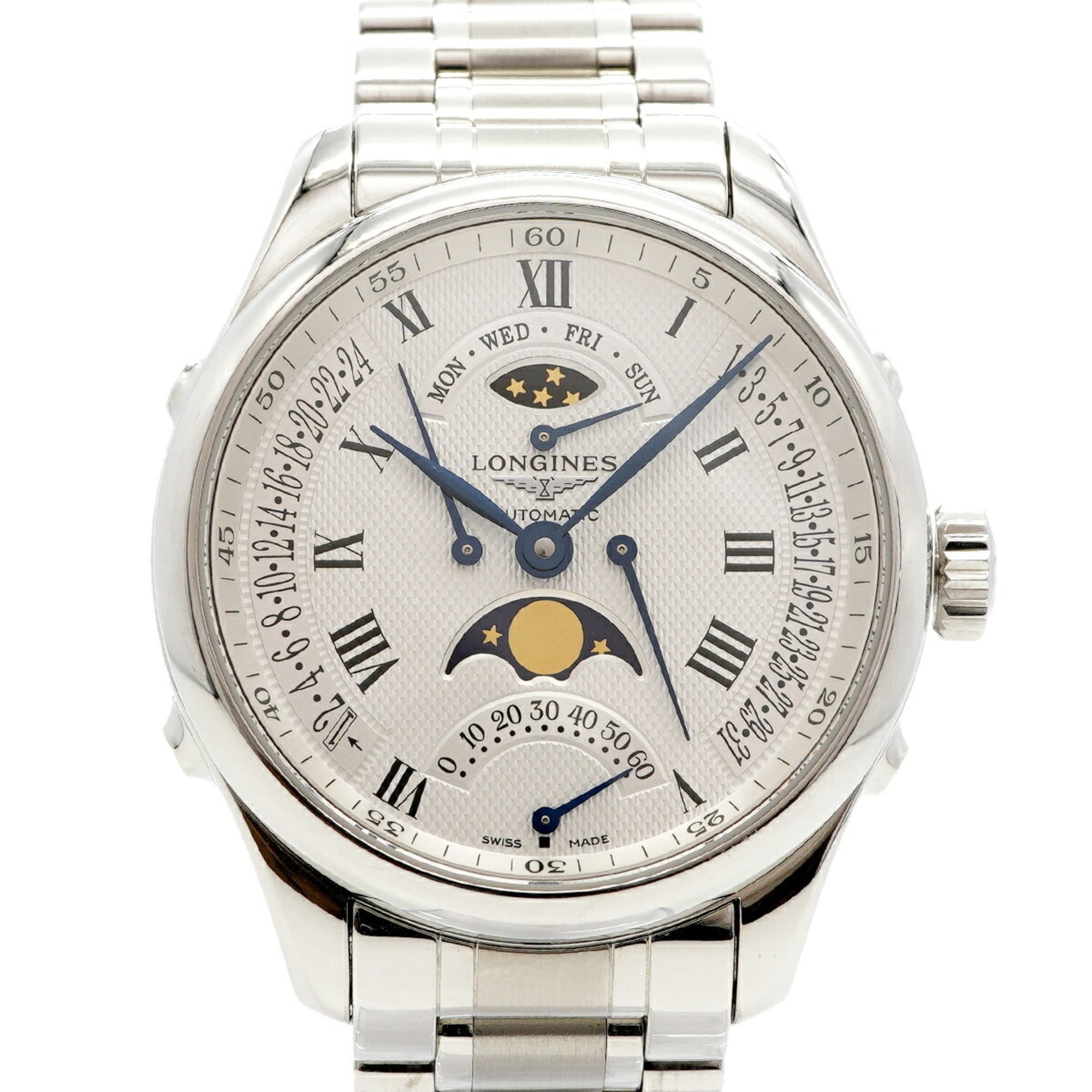
Roman numerals are the most classical marking of all, and they carry a whiff of the grand clock and the old dress watch. They make a watch read as elegant, traditional and a little formal, which is why so many of the great shaped dress watches wear them. On a lady’s watch they are especially flattering, softening a dial and giving it a sense of occasion. If your taste runs to the timeless rather than the sporty, a Roman-numeral dial is the safest way to buy a watch you will still love in twenty years.
What about Arabic numerals?
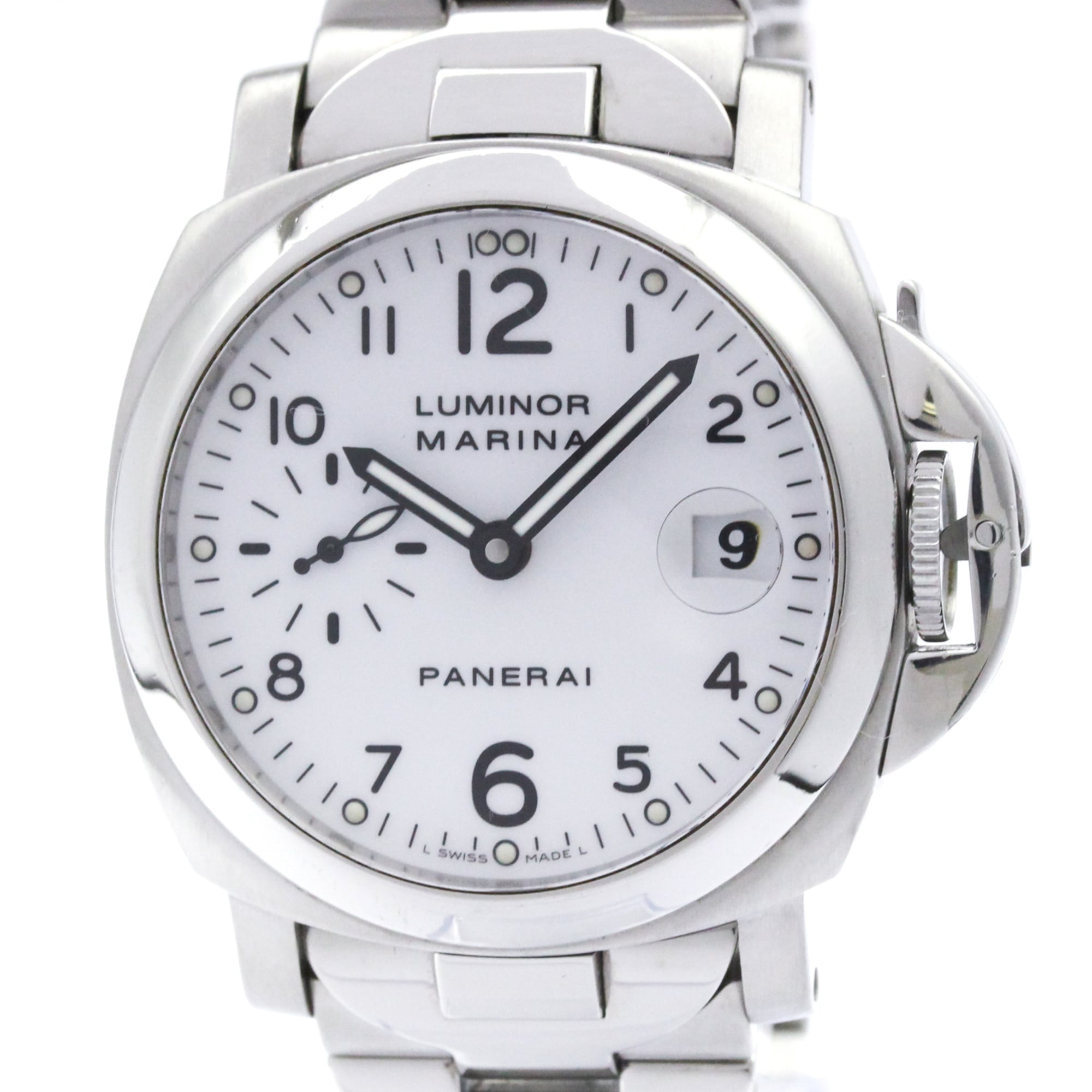
Arabic numerals, the ordinary numbers we count with, are the most legible and the most approachable. They give a watch an open, friendly, easy-to-read face, and depending on the typeface they can look anything from vintage and charming to bold and technical. On a tool or pilot watch, big luminous Arabic numerals are all about instant readability; on a dress watch, a slim Arabic font reads as gently retro. They are the least formal of the numeral styles and, for many people, the warmest.
Which markers are right for you?
It comes down to how you want the watch to feel. For the most versatile everyday watch, applied baton markers go with everything and never date. For elegance and a sense of occasion, Roman numerals are hard to beat. For legibility and an easy, approachable character, Arabic numerals win. There is no better or worse, only what suits your wrist and your wardrobe, and once you start noticing markers you will find they are the detail that decides a watch for you. The Roman-dial Rolex Datejust and the bold Arabic numerals of a Panerai are two ends of the same spectrum. Every watch we sell is authenticated and checked; browse the pre-owned watches we have now and see which markers speak to you.