The water-resistance rating on a watch is one of the most widely misread numbers in the whole hobby. A dial marked “30m” does not mean you can swim thirty metres down with it, and a great many watches have been ruined by owners who assumed it did. The ratings are laboratory figures measured under static pressure, not a promise about real-world swimming, and once you understand the gap between the two, you will know exactly what your watch can take.
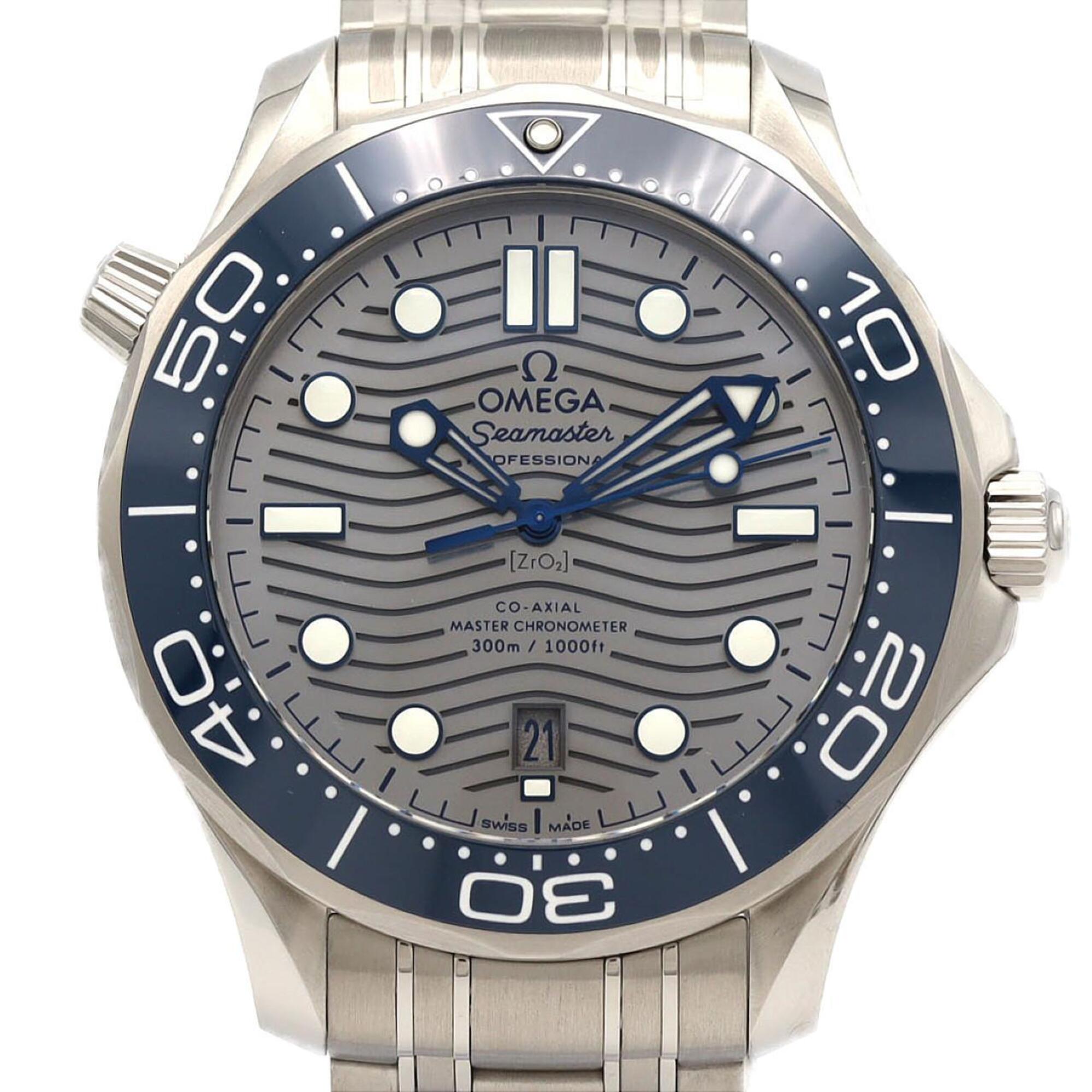
Why does 30m not mean 30 metres?
The rating comes from a test in still water at a fixed pressure. In real use, movement adds pressure: a swimming stroke, a dive off the side, even sharp hand movements briefly push water against the seals far harder than standing still at that depth would. So the industry rule of thumb built up over years is deliberately conservative. Treat “30m” (3 ATM) as splash-proof only, “50m” as fine for hand-washing and rain, “100m” as genuinely swim-safe, and “200m” and above as suitable for actual diving. The numbers are a hierarchy of confidence, not a literal depth chart.
What can each rating actually take?
In plain terms: a 30m watch survives rain and a splash at the sink, and nothing more; keep it out of the shower. A 50m watch handles hand-washing and getting caught in a downpour, but is not for swimming. A 100m watch is your everyday swim-and-snorkel companion. A 200m to 300m watch is a true diver, happy with scuba and boat life. Above that you are into saturation-diving territory most of us will never test. Match the watch to your life honestly and you will never have a scare.
![[LNIB] SEIKO GMT PROSPEX DIVER SCUBA MECHANICAL DIVERS 1968 HERITAGE GMT SBEJ029 WHITE Watch](https://chrono6538.com/wp-content/uploads/2026/06/1_000000011237.jpg)
What about the crown and the seals?
A rating only holds if the case is sealed as designed. On watches with a screw-down crown, the water resistance depends on that crown being fully screwed home; leave it unscrewed and even a 300m diver is exposed. Never operate the crown, and never press chronograph pushers, while the watch is wet or underwater, because that is the moment the seals are open. And remember that water resistance is not permanent: the rubber gaskets that do the sealing perish slowly, so the rating you can rely on is the one confirmed at the last pressure test, which is part of a proper service.
Hot water is the hidden enemy
Even a rated diver dislikes hot water. Heat makes the metal case and the rubber seals expand and contract at different rates, which can break the seal and let steam creep in. So keep watches out of hot showers, baths, saunas and hot tubs regardless of the number on the dial. It is the single most common way a perfectly good water-resistant watch fogs up inside.
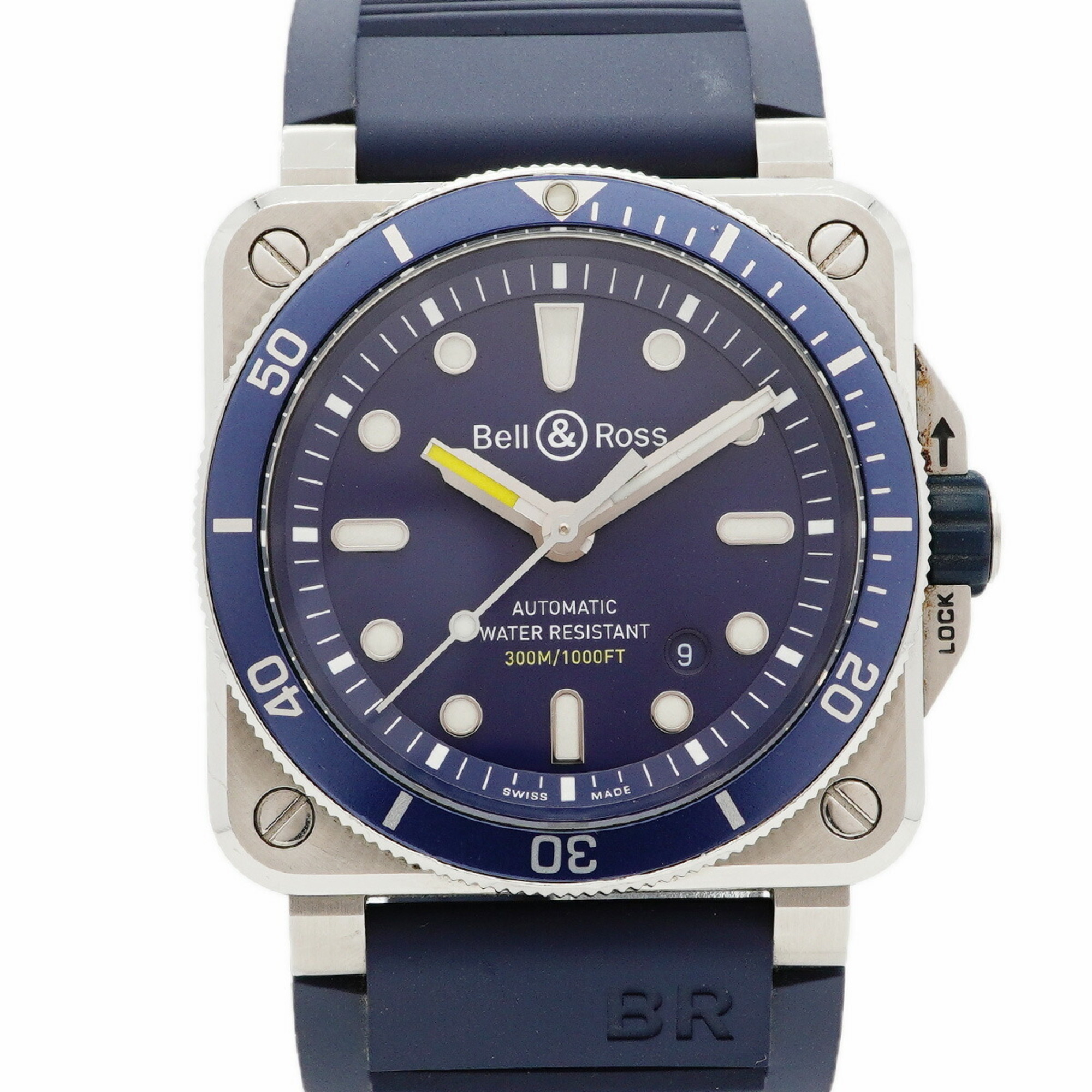
Understood properly, water resistance is nothing to fear, it is just a spec to read correctly. If you want a watch you can genuinely swim and dive with, look at a proper 200m-plus diver from Omega or the other specialists; each of our pre-owned dive watches is authenticated and checked before it reaches you.