Updated October 2026
Cachet is the respect a watch commands before anyone has read the name on the dial. It comes from a recognisable design kept consistent for decades, a genuine reason for existing, a maker that controls its own quality and restraint in how widely the watch is spread. Rolex, Cartier and Zenith have it for those reasons; watches without it usually lack two or more.
Cachet is earned slowly, and lost quickly
No marketing budget can create cachet in a single season. It accumulates as a design is worn, repaired, handed down and recognised by people who have never owned one. Each decade of consistent production adds a layer. A brand can spend that inheritance far faster than it built it, by chasing trends, by licensing its name to cheaper goods or by flooding every shop window at once.
That asymmetry explains why the watches with the strongest reputation are often the least changed. The owner of a thirty-year-old example still wears something that looks current, and the newest buyer is joining a long line rather than starting a fashion.
A shape you can name from across a room
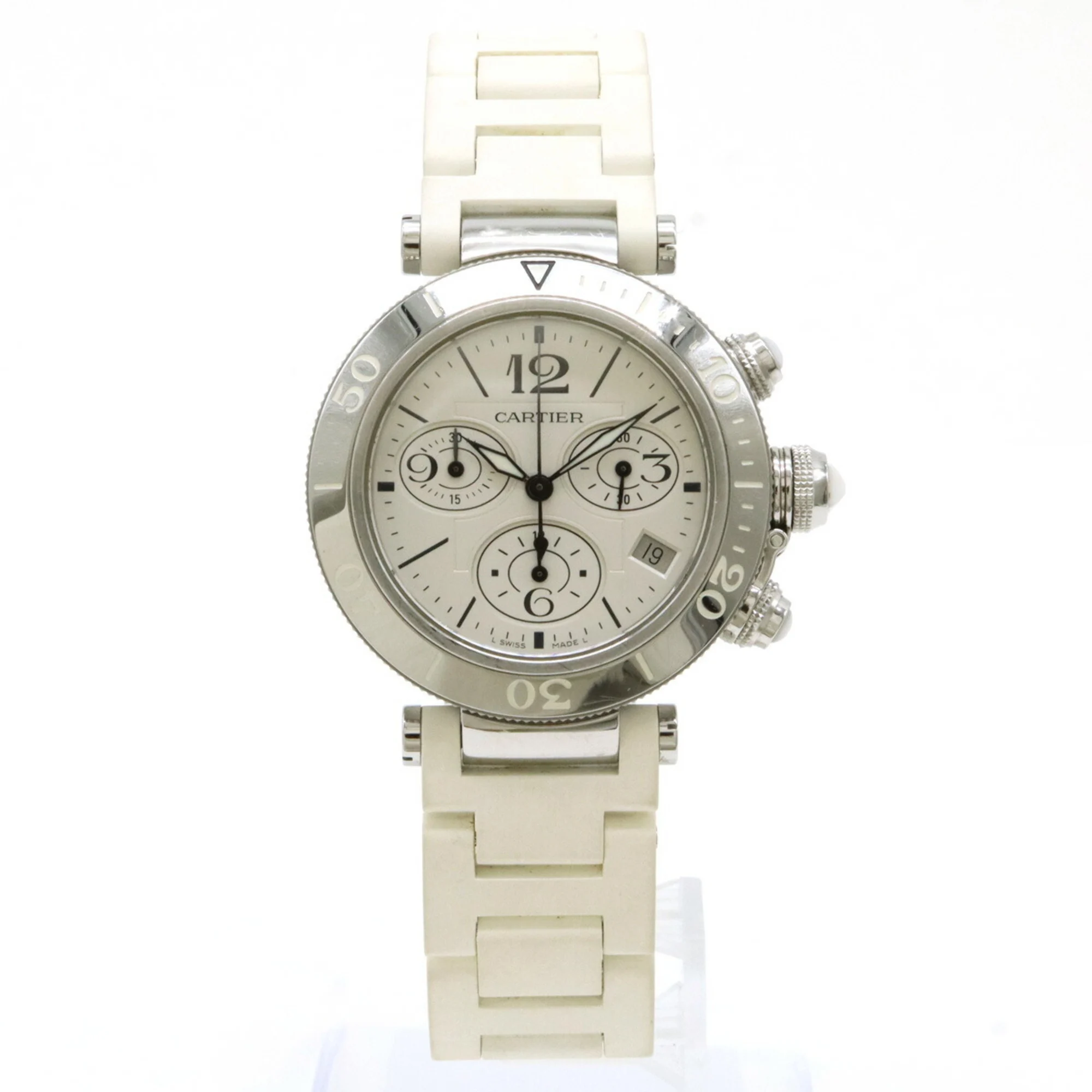
Cartier understands silhouette better than almost anyone. The Pasha, launched in 1985, is identified by its round case, its square minute track and the chained crown cover, details that remain constant across sizes and decades. You do not need to see the logo.
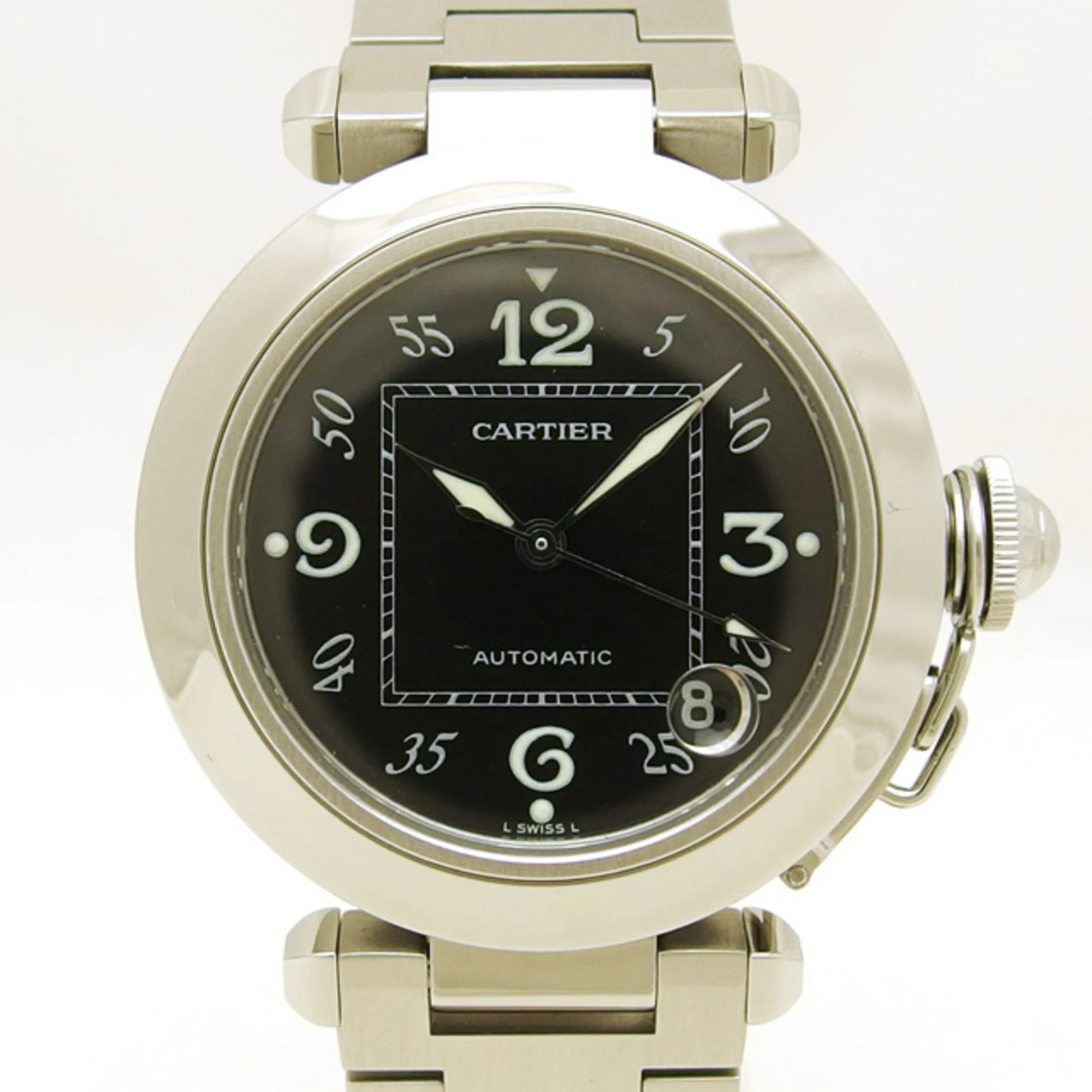
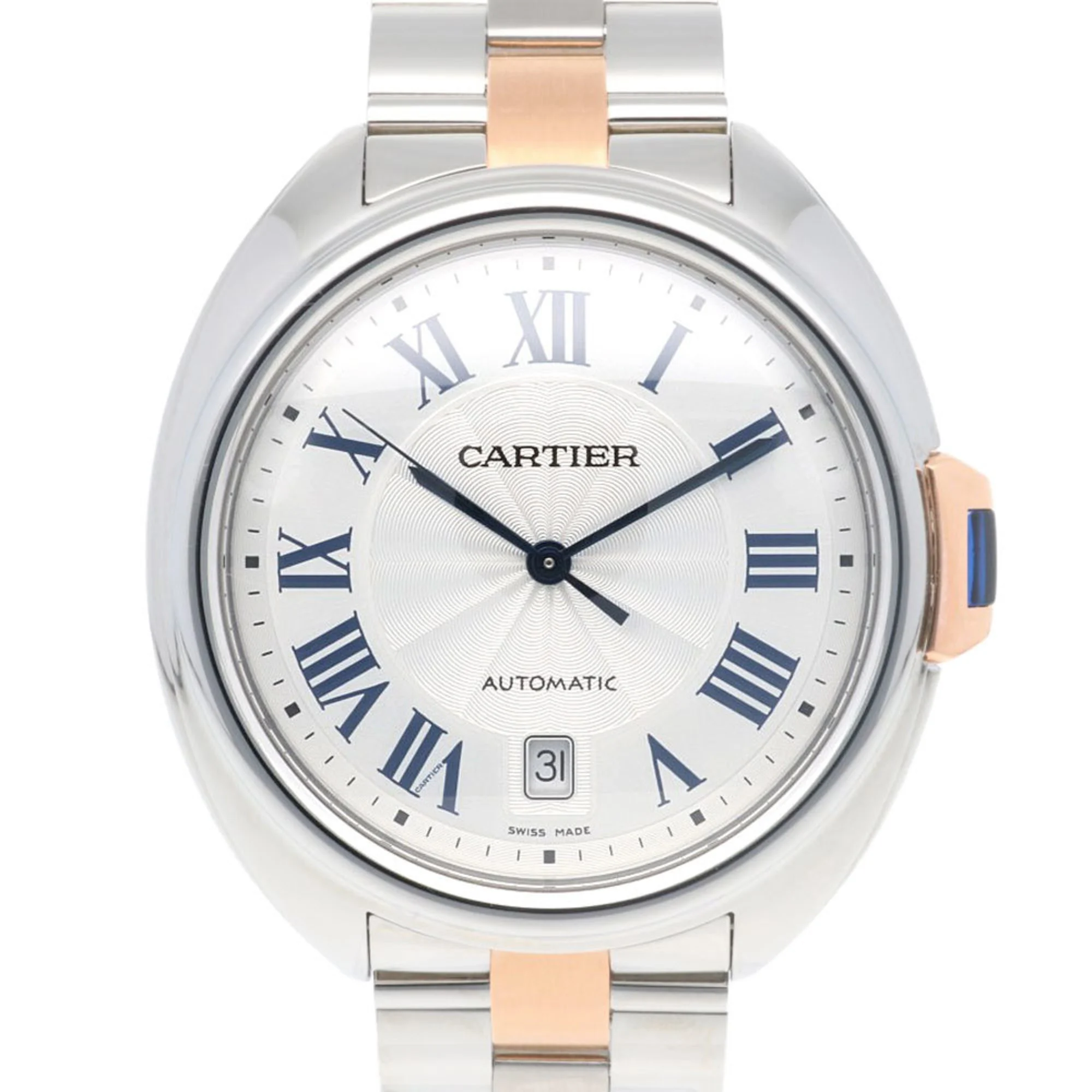
The Pasha C brought the same language to a smaller steel case. Compare that with the Clé de Cartier, introduced in 2015. It is well made and distinctive, with a key-shaped crown, but it has had a decade to build recognition rather than four. Cachet takes time even for a house with Cartier’s history, which is why many buyers still start with the older shapes, as our guide to choosing a Cartier Tank shows.
A reason for existing
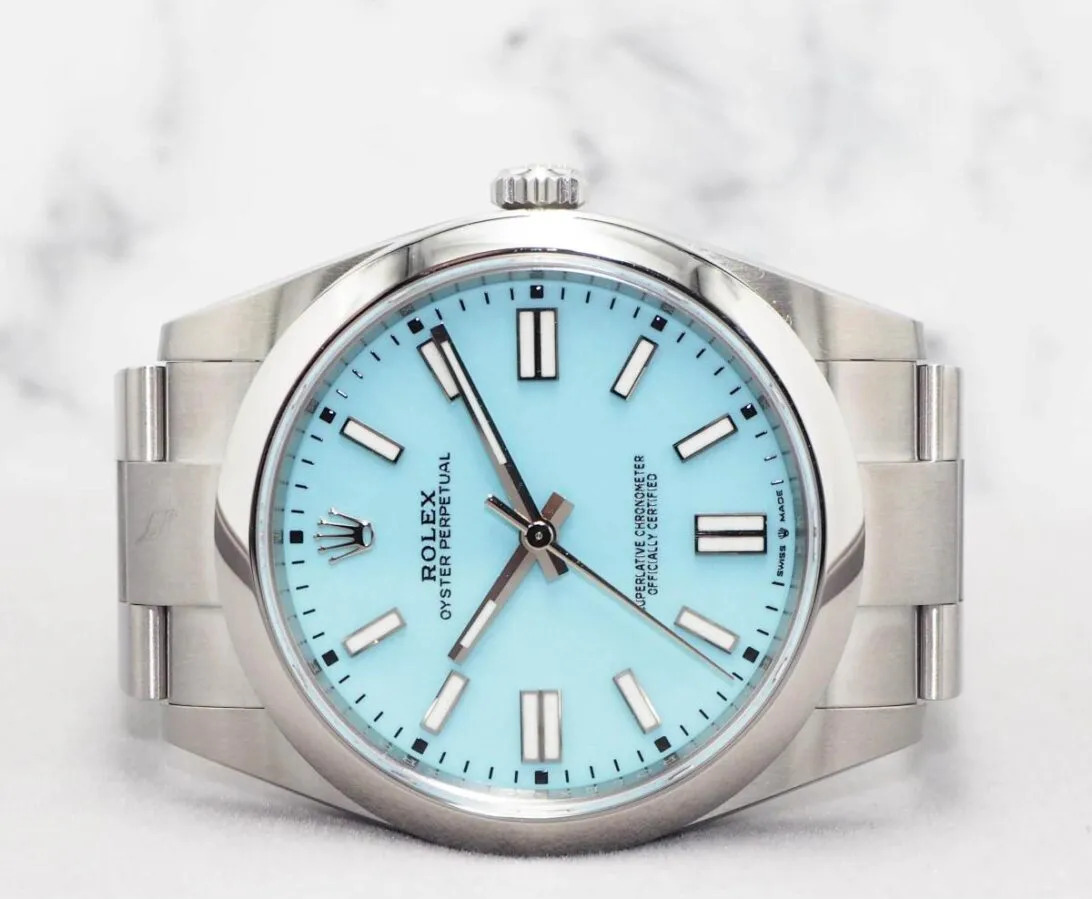
Watches with cachet usually began as answers to a problem. The Rolex Oyster case of 1926 was built to keep out water and dust, and Mercedes Gleitze wore one when she swam the Channel in 1927. That story still underpins the Oyster Perpetual today.
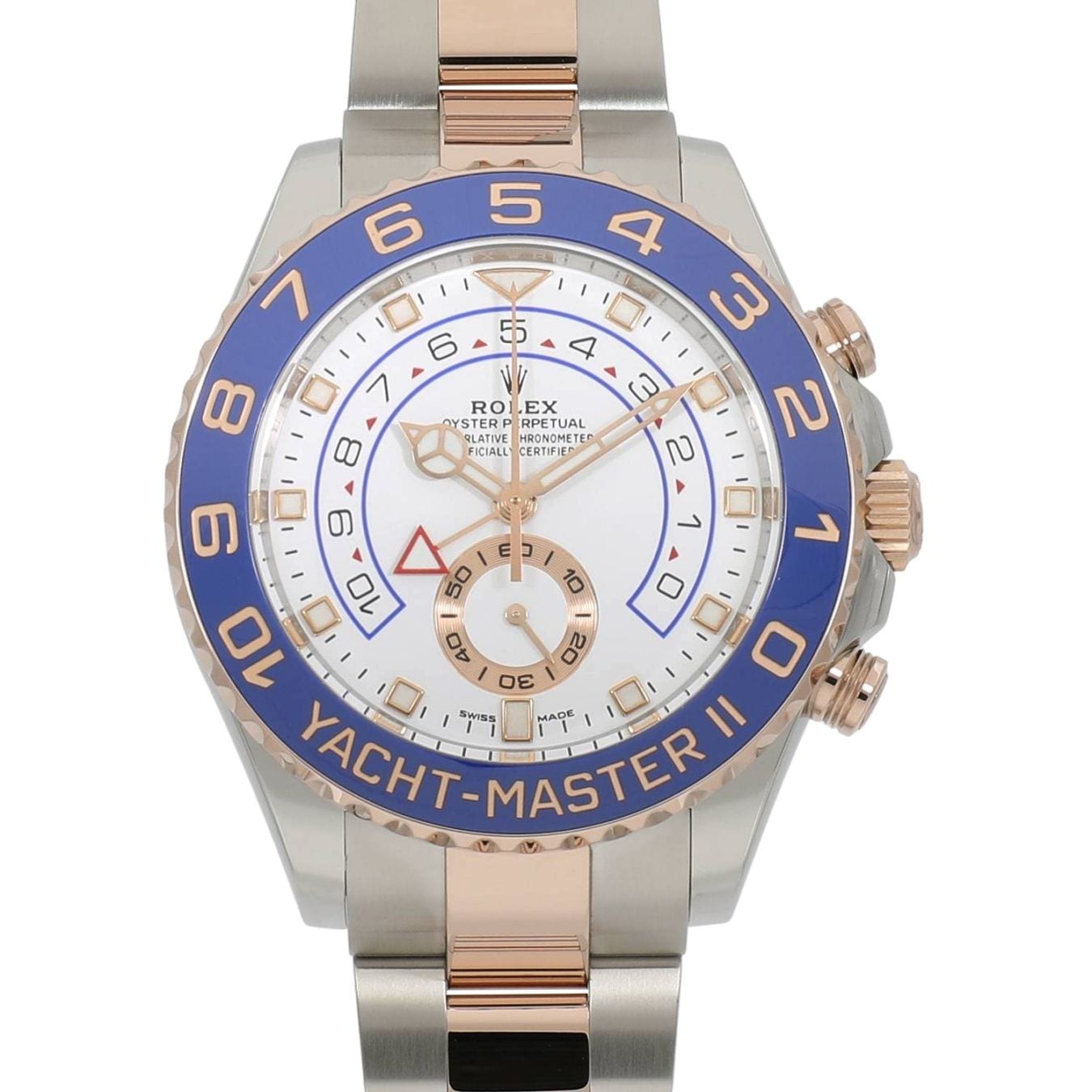
The Yacht-Master II, from 2007, is a newer example of the same principle: a regatta countdown chronograph made for the start of a sailing race. A specific function gives a watch credibility even among people who will never use it. The owner of a dive watch may never go below a swimming pool, but knowing the case could survive far deeper is part of the appeal. Purpose reads as honesty, and honesty is what people respond to.
What the movement says
Serious collectors look behind the dial. A maker that designs and builds its own movements controls its quality and its future, and that shows in how the watch is regarded. Zenith’s El Primero, announced in 1969 and running at 36,000 vibrations per hour, is the clearest case: the movement itself carries the reputation.
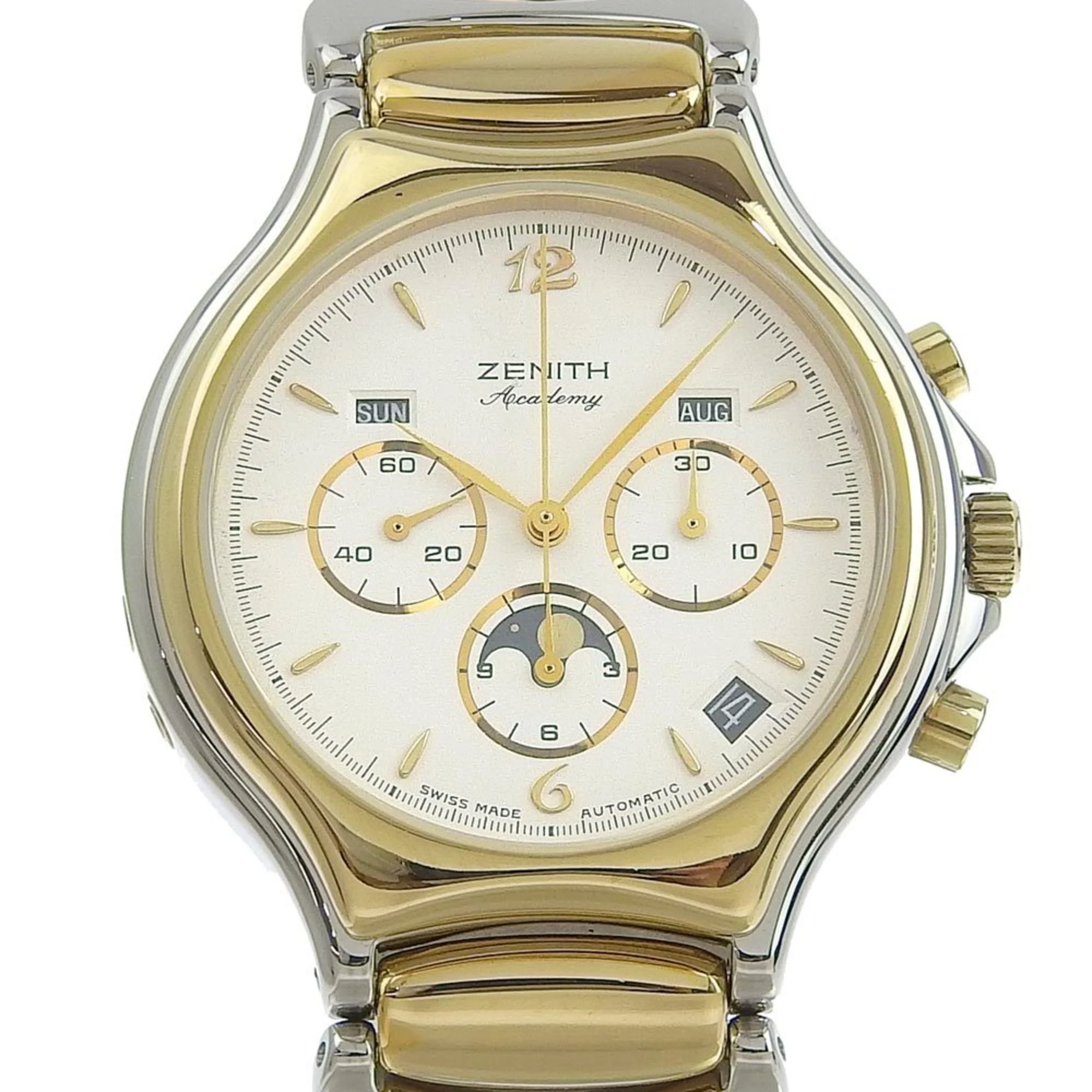
The Zenith El Primero family, including the moon phase triple calendar shown here, trades on that calibre. A watch with a generic movement can still be excellent, but it has to earn regard through design alone.
Breadth, restraint and the middle ground
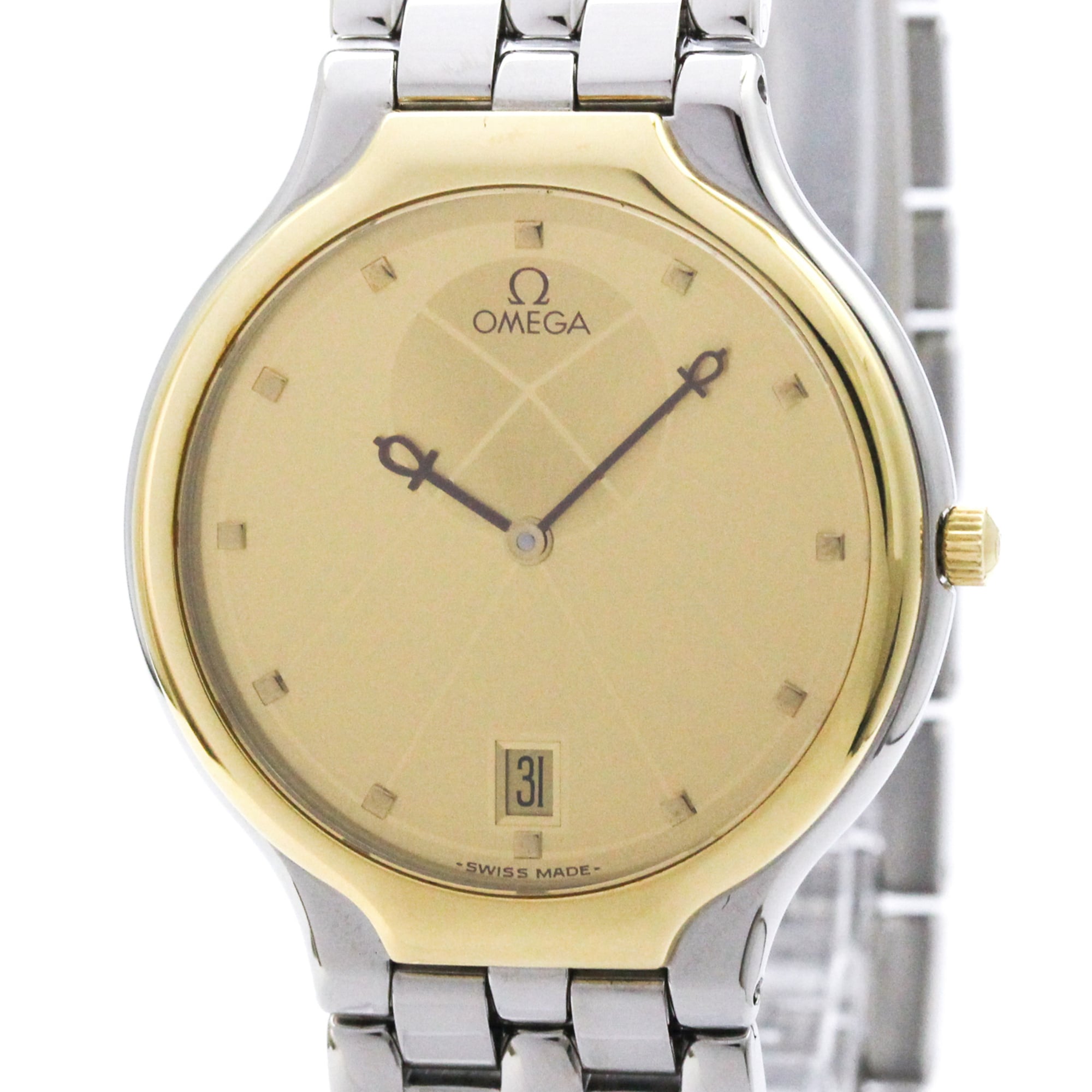
Omega shows how a large catalogue can coexist with real standing. Its sports watches carry decades of history, while the De Ville line, which began as part of the Seamaster family in the 1960s, supplies the dress watches. The breadth works because each family stays recognisably itself.
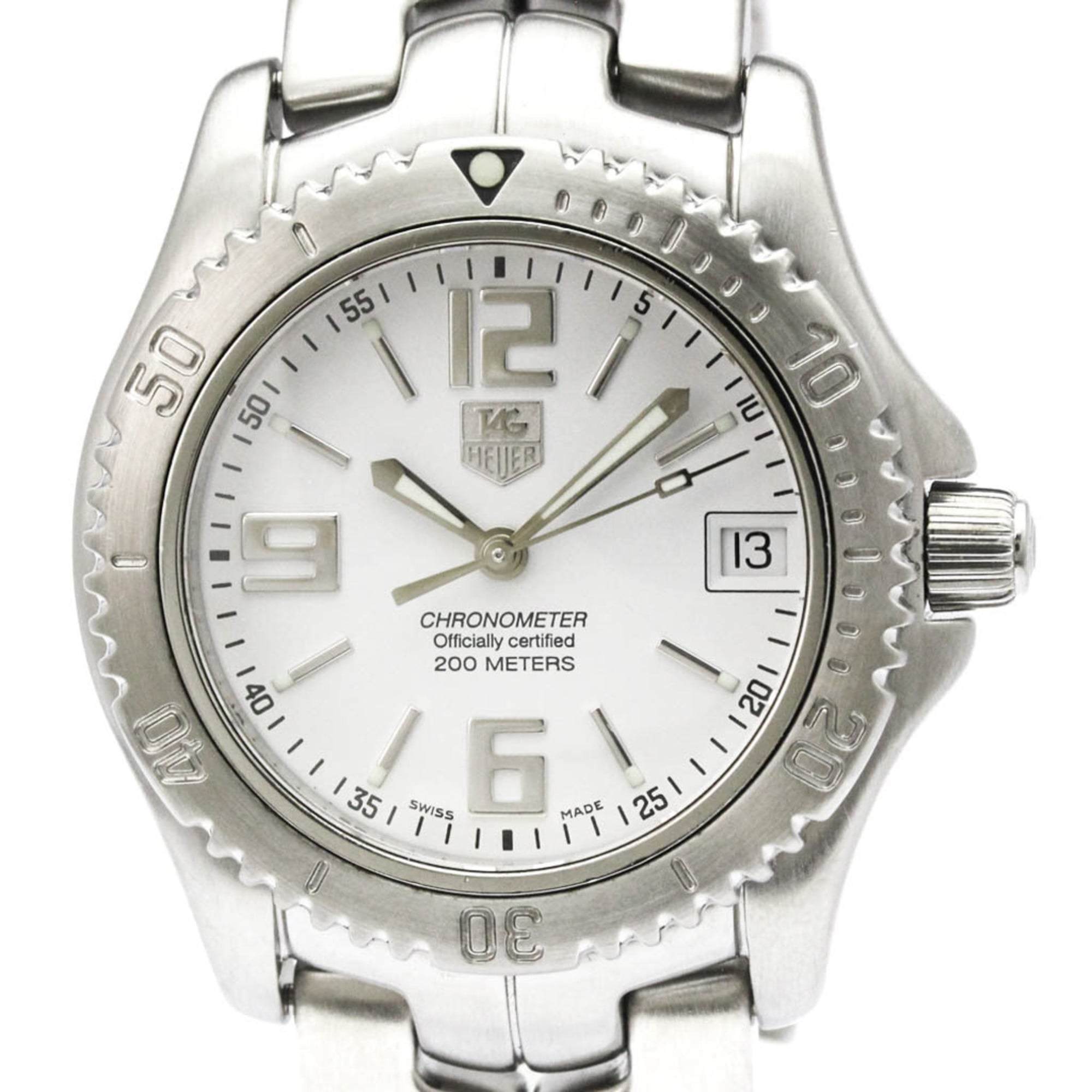
TAG Heuer sits in a different position. The Heuer name has a long chronograph history, yet decades of wide distribution and frequent redesigns mean its watches are bought more for what they do than for what they signal. The TAG Heuer Link is a sound, well-built watch; its appeal is practical rather than social. That is not a criticism, just a different kind of purchase.
The long-running chronograph rivalry covered in the watch duel that never ends is, at heart, an argument about two kinds of cachet: one built on scarcity and consistency, the other on a documented history of use.
Where watches lose it
- Constant redesign, so no single shape becomes familiar.
- A name applied to products far below the watches it was built on.
- Heavy discounting, which tells buyers the maker no longer believes in the asking figure.
- Models that exist only to follow a trend, and vanish with it.
None of these is fatal on its own. Several houses have recovered by cutting ranges back, withdrawing licences and returning to the designs that made their names. The process takes years, and buyers notice when it is genuine. The reverse is also true: a maker with a strong reputation can erode it within a decade if it treats that reputation as permanent.
Reading cachet when you buy
Cachet shows up most plainly in the pre-owned market. Watches with it are wanted long after release, and well-kept original examples stay in demand; the theme is explored in the compound value of survival. Watches without it tend to fall away once the novelty fades. Reference, condition, completeness and current demand set the figure for any individual piece, and the Chrono6538 price index tracks those movements. If you are having a piece assessed, understand first which kind of valuation you are being quoted.
Frequently asked questions
Why do some watches have cachet and others don’t?
Cachet comes from a recognisable design kept consistent for decades, a genuine reason for existing, a maker that controls its own quality and restraint in distribution. Rolex, Cartier and Zenith have it for those reasons; watches without it usually lack two or more.
Can a new watch model have cachet?
It can inherit some from its maker, but recognition takes time. The Clé de Cartier, introduced in 2015, is well made yet still building the familiarity that the Pasha has had since 1985.
Does an in-house movement matter?
It signals that the maker controls its quality and future. The Zenith El Primero, announced in 1969, is a case where the movement itself carries the reputation.
Is a watch without cachet a bad purchase?
No. Many well-built watches are bought for what they do rather than what they signal. They simply tend to be less in demand on the pre-owned market.
How does cachet affect what a watch fetches pre-owned?
Watches with cachet stay wanted long after release, especially original, well-kept examples. Reference, condition, completeness and demand set the figure, which our price index tracks.