Yes, in almost all ordinary cases. Both Rolex and Cartier will generally take in a watch for servicing regardless of who sold it to you, because a service is a paid job of work on a watch the house made, not a benefit tied to the original sale. What does not travel with the watch is the warranty — and confusing those two things is where most of the anxiety around buying pre-owned comes from.

What is the actual difference between warranty and servicing?
A warranty is a promise from whoever sold you the watch that if something goes wrong within a stated period, they will put it right at no cost to you. When a watch is bought new from an authorised dealer, that promise comes from the brand. When the same watch is bought pre-owned, the brand’s original promise has usually long since run out, and the promise you are relying on is the one your dealer gives you.
Servicing is a different transaction entirely. It is maintenance you pay for: the movement is stripped, cleaned, lubricated and regulated, seals are replaced, and the case and bracelet are checked and usually refinished. The house will quote you for that work and carry it out. It has nothing to do with where the watch came from.
So the two questions to ask a pre-owned seller are separate ones. What cover are you giving me, and for how long? And is there anything about this particular watch that would complicate a brand service later?
Will the brand really take in a watch it did not sell me?
Generally yes. Both houses run service centres that exist to look after watches in circulation, and the overwhelming majority of those watches have changed hands at least once. You will be asked for your details, the watch will be assessed, and you will be quoted before any work begins.
You do not need the original box, the papers or a receipt to have a watch serviced. Those things matter enormously to the watch’s desirability and to what it is worth, but they are not an entry requirement for the service department. Bring the watch; that is the requirement.
What might actually complicate a brand service?
Non-original parts are the main one. If a previous owner had a hand, a dial, a bezel insert or a bracelet replaced with something the house did not make, the brand may decline the work, or may insist on replacing those parts with genuine ones as a condition of taking the job. That can turn a routine service into a considerably larger bill.
Aftermarket diamond setting is the clearest example. A case, bezel or dial set with stones by a third party is not a watch the house recognises as its own, and both Cartier and Rolex are known to be firm about it. This is the single most important thing to establish before you buy a set piece: did the stones come from the factory, or did somebody add them afterwards?
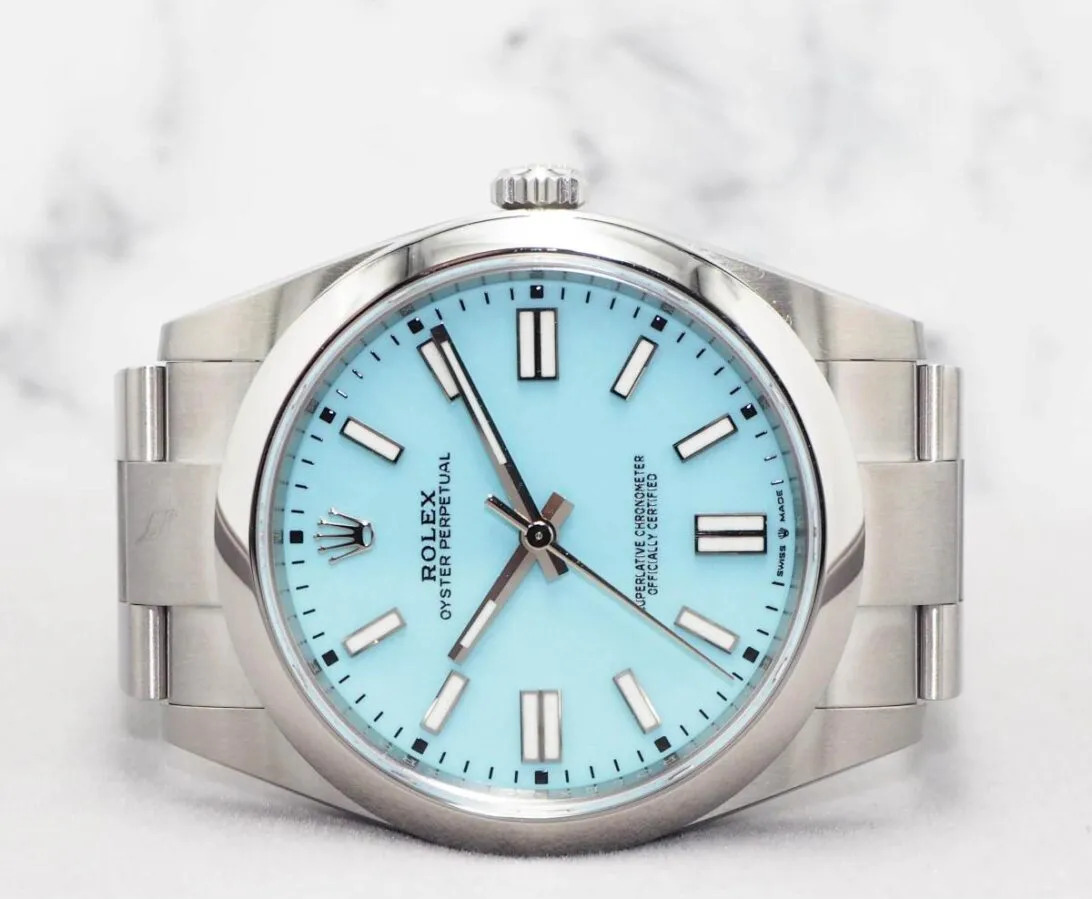
What about very old or discontinued references?
This is where it gets less predictable. Modern references are straightforward — parts are current and the work is routine. Once you go back far enough, specific components may no longer be produced, and the house may not be able to source what your watch needs.
Some houses maintain dedicated departments for older pieces and will take enormous care over them, though turnaround is longer and cost is higher. Others will politely decline and suggest you take it elsewhere. If you are buying something genuinely vintage, assume the servicing route will be a good independent watchmaker rather than the brand, and price that into your thinking from the start.
What happens to the parts they replace?
A brand service replaces what it judges to be worn — gaskets and seals almost always, sometimes hands, crowns, crystals or bracelet components. Standard practice at most service centres is to dispose of the removed parts unless you ask otherwise.
Ask otherwise. When you hand the watch in, request in writing that any replaced parts are returned to you, and confirm it on the paperwork. For an older or more collectable piece, having the original components back matters. It is a small request, it is normally accommodated without argument, and it costs nothing — but only if you make it before the work starts, not after.
Do the same with refinishing. If you would rather keep a case with its original edges and its honest wear than have it polished back to a factory finish, say so up front and ask for it to be noted on the job sheet.
How long should you expect to wait?
Longer than you would like. A full service at a brand centre is commonly measured in weeks rather than days, and can stretch considerably further if parts have to be ordered, if the watch is older, or if the centre is busy. You will normally get an estimate when the watch is assessed, and it is worth treating that as a best case.
A trusted independent watchmaker will usually be quicker and less expensive, and for many watches will do work every bit as good. The argument for the brand is documentation and genuine parts, which matters most on modern, in-production references. The argument for a good independent is time, cost and a lighter hand on original surfaces. Both are legitimate; the right answer depends on the watch in front of you.

Buy from someone who is clear about what cover they are giving you, ask about parts before you commit, and you will find servicing a pre-owned watch is far less fraught than it sounds. The houses want their watches running.