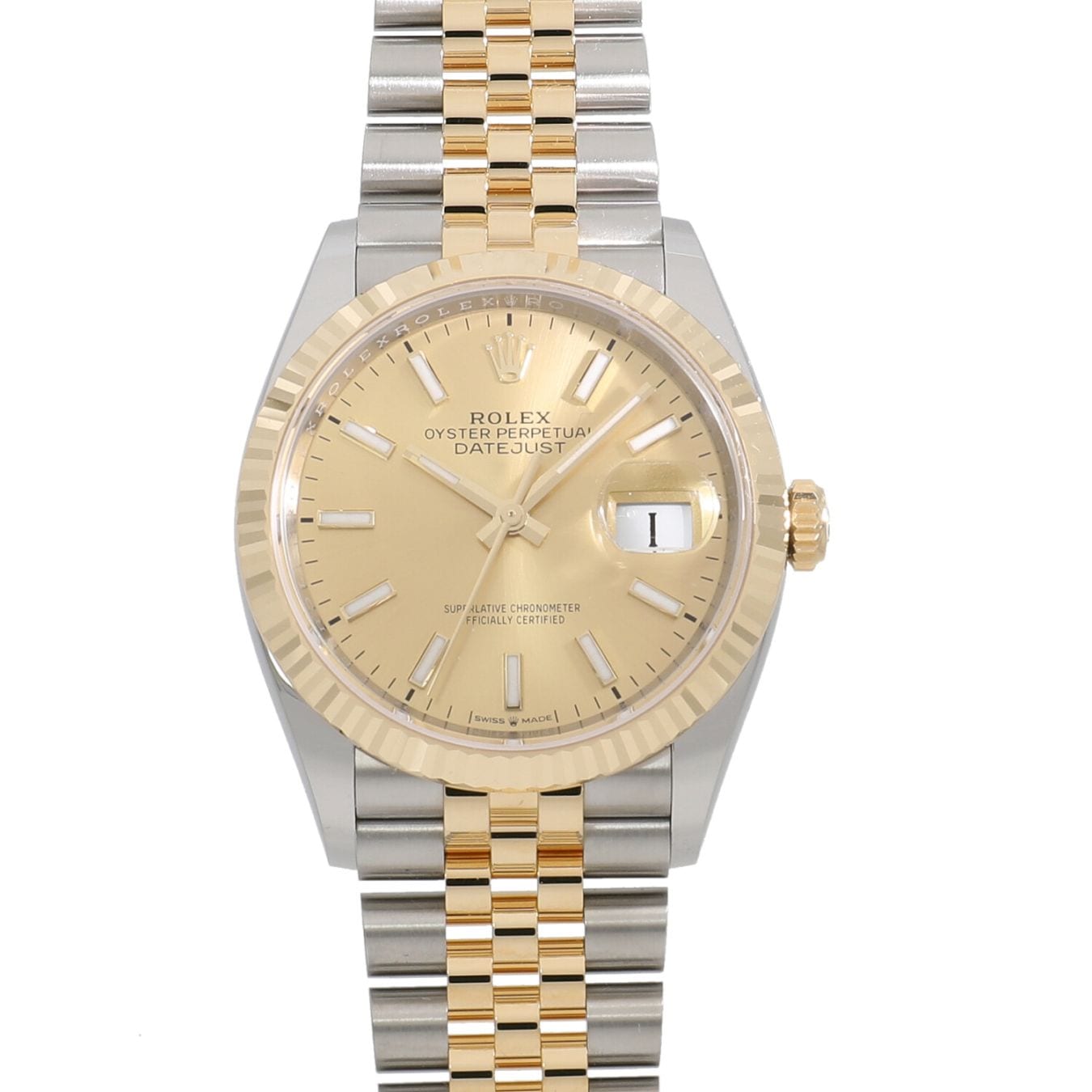
A fake Rolex usually gives itself away on weight, second-hand motion, the cyclops magnification and the quality of the engraving on the rehaut and between the lugs. Those checks catch most counterfeits in under a minute. The better copies, often called super clones, can pass all of them, so the final answer always comes from opening the case and looking at the movement.
Updated October 2026
Why does no single check settle it?
Any one feature can be faked. A genuine watch passes every check together, and the details agree with each other: the reference suits the dial, the serial suits the era, and the movement is the right calibre. That consistency is what a specialist is really testing for.
What are the 12 checks?
| # | Check | Genuine Rolex shows | Red flag |
|---|---|---|---|
| 1 | Weight | Dense, solid, no rattle | Light, hollow, tinny |
| 2 | Second-hand motion | Fine, near-smooth sweep (eight beats a second on modern calibres) | One clear tick per second |
| 3 | Cyclops magnification | Date enlarged 2.5x, centred, fills the window | Weak magnification; date small or off-centre |
| 4 | Rehaut engraving | Crisp, even ROLEX repeat; serial at 6 o’clock on later watches | Blurry, uneven or misaligned with the markers |
| 5 | Laser-etched crown | Tiny coronet in the crystal at 6 o’clock on watches from the early 2000s | Absent on a modern piece, or easy to see |
| 6 | Dial printing | Sharp edges, no bleed, even spacing | Thick, smudged or wandering text |
| 7 | Caseback | Solid on almost every model | Display back on a standard sports or Datejust model |
| 8 | Date change | Clean, quick change around midnight | Date creeps over for hours |
| 9 | Serial and reference | Crisp engraving that matches the papers and the era | Shallow or acid-etched; numbers that don’t fit |
| 10 | Bracelet and clasp | Tight links, sharp coronet, positive clasp action | Rattly links, soft clasp, rough edges |
| 11 | Crown and winding | Smooth screw-down, clean winding feel | Gritty, loose or cross-threaded |
| 12 | Movement (specialist) | Correct calibre, finishing and markings | Generic or wrong movement |
1. Weight: pick it up first
Rolex cases and bracelets are machined from solid steel or precious metal, so a genuine watch feels dense in the hand. Cheap copies use lighter alloys and hollow links. Weight is a filter, not proof. We wrote more on this in whether a heavy watch is a better one.
2. Does a real Rolex tick or sweep?
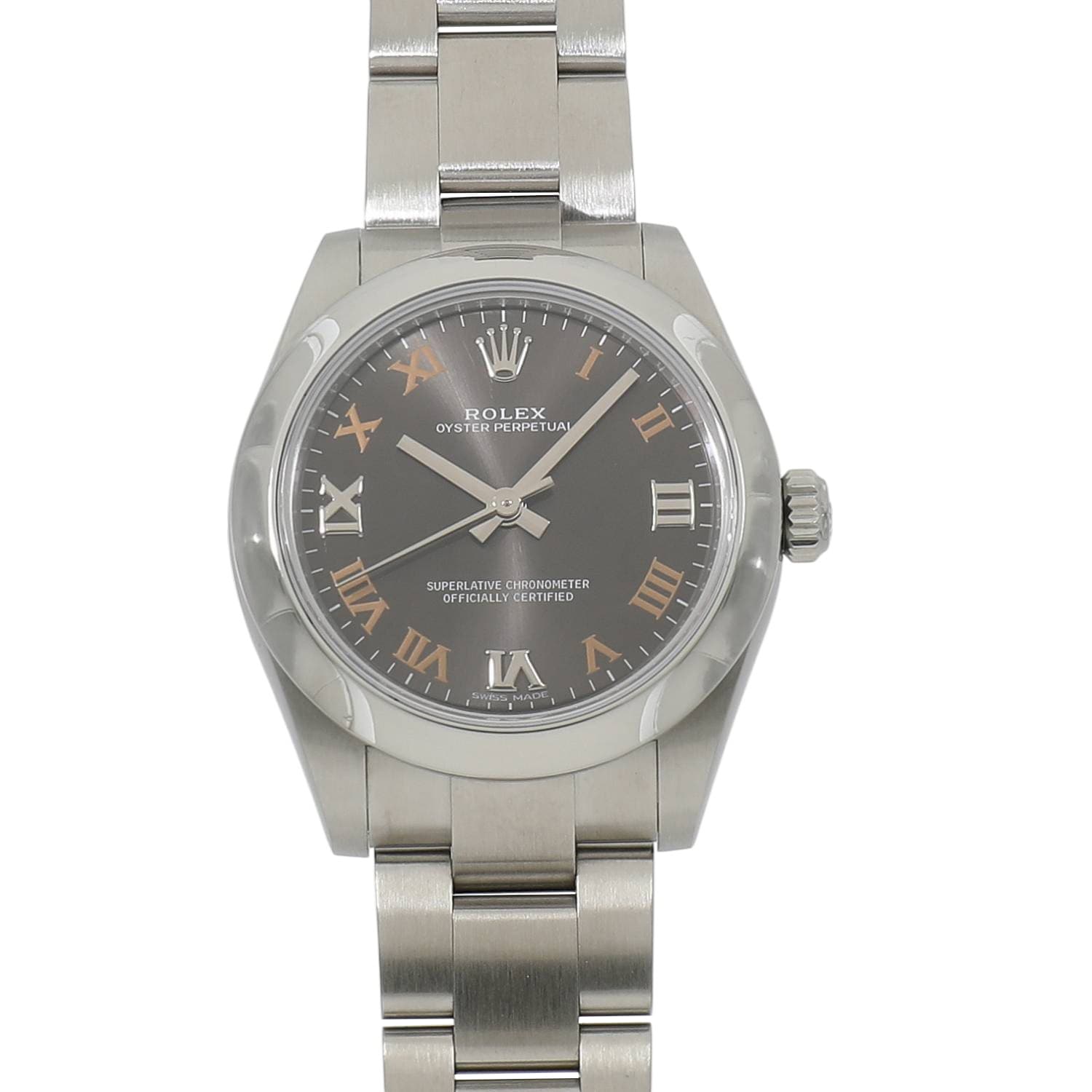
It sweeps. Modern Rolex calibres, from the 3135 onwards, run at 28,800 vibrations per hour, eight beats a second. Vintage calibres beat more slowly; the 1570 of the late 1960s runs at 19,800, so the steps are coarser, but it still sweeps. A hand that jumps once a second almost always means a quartz movement in a fake. The exception is Rolex’s own quartz watches, chiefly the Oysterquartz, which are rare and easy to identify by their case.
3. Is the date magnified properly?
The cyclops lens enlarges the date 2.5 times, so the numeral fills the window and sits dead centre. On many fakes the magnification is weaker, the date looks small inside the bubble, or the lens sits slightly off the window.
4. Read the rehaut
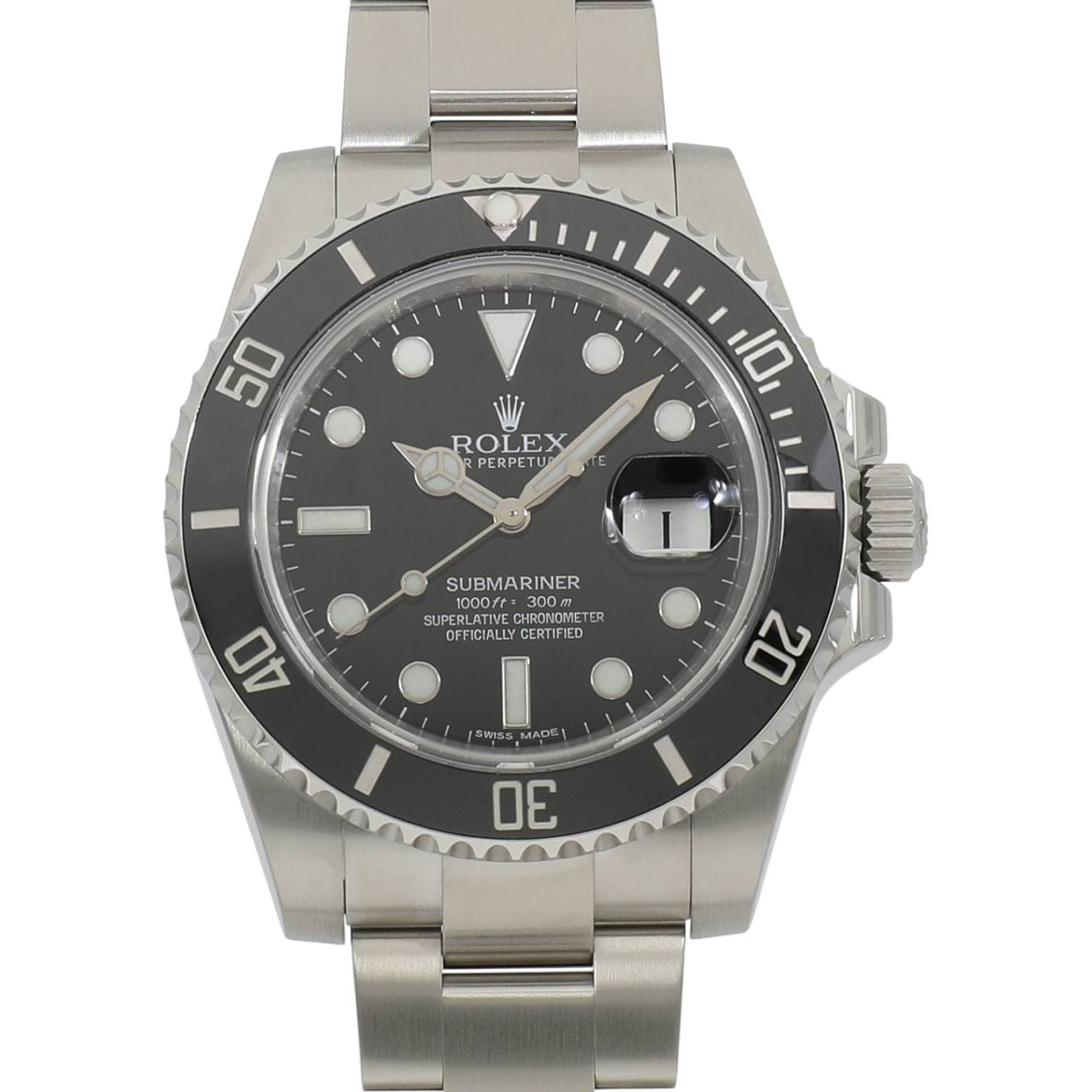
The rehaut is the inner ring between the dial and the crystal. Rolex began engraving it with a repeating ROLEX pattern in 2004, it became common from 2005, and every Oyster reference had it by 2008. On these watches the serial number is also engraved on the rehaut at 6 o’clock. Genuine engraving is crisp, evenly spaced and lines up with the hour markers; copies often drift or look soft.
5. Find the laser-etched crown
From around 2001 to 2002, Rolex began etching a tiny coronet into the sapphire crystal at 6 o’clock. You need a loupe or a torch shone straight down onto the 6 o’clock marker to see it. A modern Rolex without it is a concern, and so is one where it is easy to spot, because forgers tend to etch too deep.
6 to 8. Dial, caseback and date change
Genuine dial printing is sharp, with clean edges and no bleed into the dial. The caseback should be solid on almost every model. Rolex has fitted display backs only to a short list: the Cellini Prince of 2005 to 2014, and since 2023 the Perpetual 1908, the platinum Daytona 126506 and the Le Mans Daytona 126529LN. A display back on a Submariner or a Datejust means a fake. More on that in solid or display caseback. On a modern Rolex the date changes quickly and cleanly around midnight. A date that creeps over for hours points to a cheaper movement.
9. Serial and reference numbers
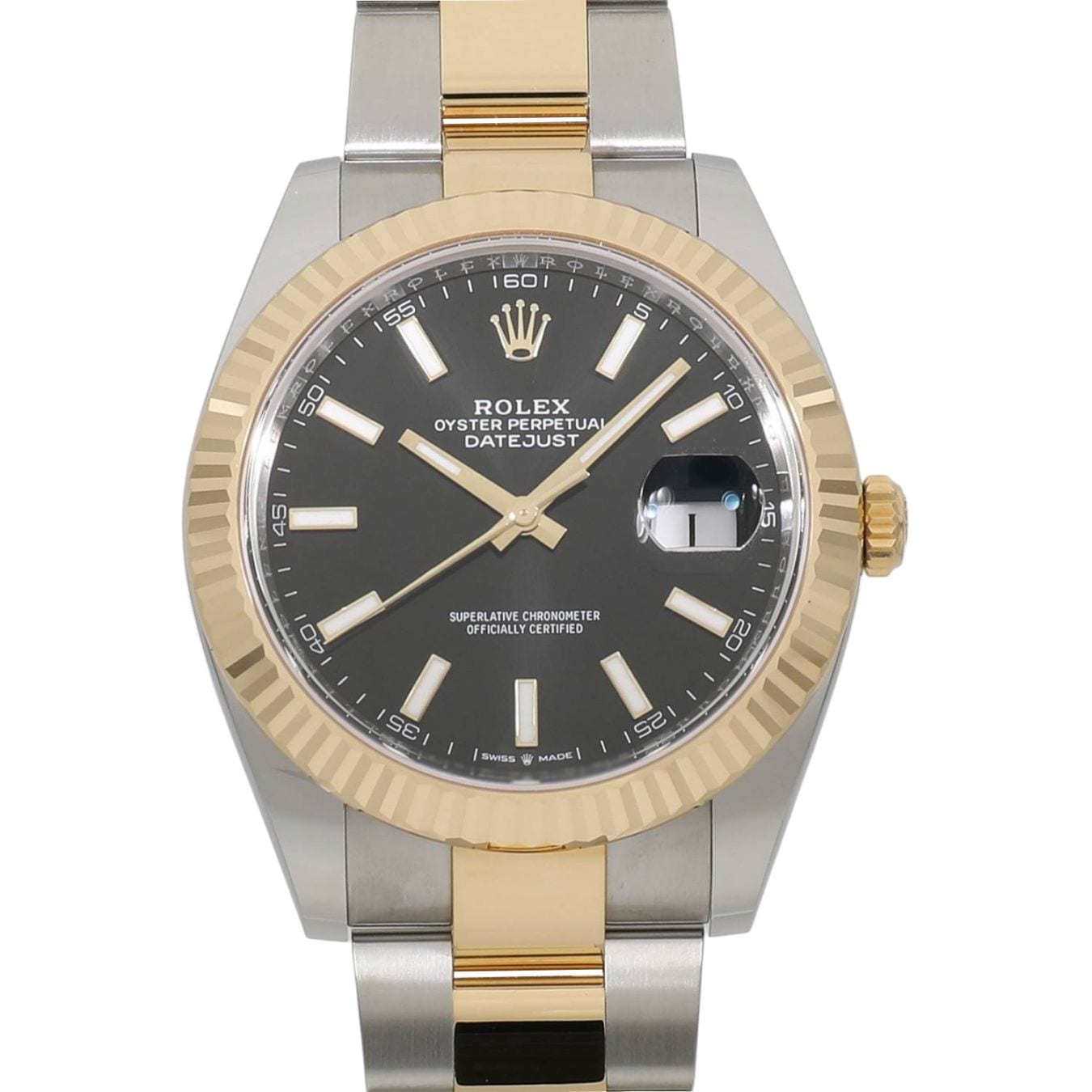
The reference sits between the lugs at 12 o’clock. On older watches the serial sits between the lugs at 6 o’clock; from 2005 Rolex also engraved it on the rehaut, and from 2008 only on the rehaut. Both should be finely engraved, not shallow or frosted. The serial must match any papers and suit the age of the parts, and the reference must match the model. A mismatch is decisive.
10 and 11. Bracelet, clasp and crown
A genuine bracelet has tight, solid links with no rattle, a sharply cut coronet on the clasp and a clasp that closes with a definite click. The screw-down crown should thread in smoothly and wind without grit.
12. The movement is the final word
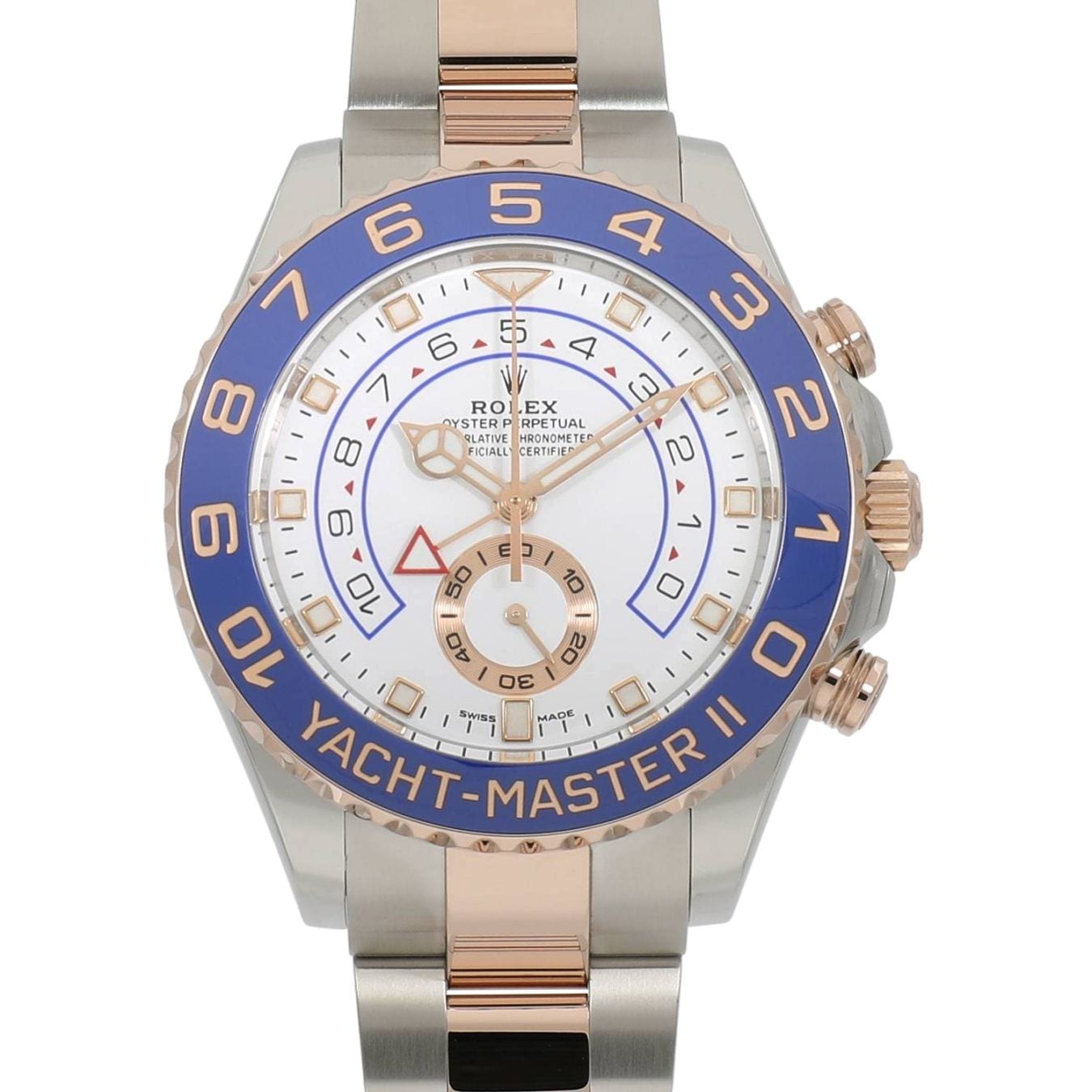
Only a specialist should open the case. The calibre, finishing and markings must be right for that reference and that era. This is where most super clones fail, because copying a Rolex movement exactly is far harder than copying a case.
Do box and papers prove a Rolex is real?
No. Boxes, papers and warranty cards are faked as routinely as the watches. They help only when the serial on the papers matches the watch and the watch passes every other check.
What is the safest way to buy?
If you are buying privately, have the watch checked independently before you pay. Know your rights too; our guide to buying second-hand luxury in the UK covers what protection you have and from whom. Every Chrono6538 watch is inspected, authenticated and comes with a Certificate of Authenticity; you can read how our authentication process works. And if you are weighing up references, the Submariner date or no-date question is a good place to start.
Frequently asked questions
Can you tell a fake Rolex just by looking at it?
You can often spot an obvious fake by its weight, a ticking second hand, a weak cyclops and soft printing or engraving. The better copies pass a visual check, though. A Rolex you are about to pay serious money for should be confirmed by a specialist who opens the case and checks that the movement is the right calibre for the reference.
Does a real Rolex tick or sweep?
A mechanical Rolex sweeps. Modern calibres beat eight times a second, so the hand glides in fine steps; vintage calibres beat a little slower but still sweep. A hand that jumps once a second usually means a quartz fake. The only genuine exceptions are Rolex’s own quartz models, chiefly the Oysterquartz, which have a distinctive angular case.
Where is the serial number on a Rolex?
On older watches it is engraved between the lugs at 6 o’clock, under the bracelet. Rolex added it to the rehaut at 6 o’clock from 2005, and from 2008 it appears only on the rehaut. The reference number sits between the lugs at 12 o’clock. Both should be crisp and match any papers.
Written by Justin Williams, founder of Chrono6538, a UK dealer in pre-owned and vintage luxury watches based in Knutsford, Cheshire. This guide is general information and is not a substitute for professional authentication of a specific watch.
Browse authenticated pre-owned Rolex watches at Chrono6538.