Buy a Rolex if you want the most recognised name in watches, a tight range of proven designs and the strongest resale. Buy an Omega if you want more watch for your outlay, a wider choice of models and some of the most advanced movement certification in Swiss watchmaking. Both are serious manufacturers, so the better question is which specific model you will actually wear.
Updated October 2026
How did each brand earn its reputation?
Rolex began in London in 1905 as Wilsdorf & Davis and moved to Geneva in 1919. Its reputation rests on a few ideas done thoroughly: the waterproof Oyster case of 1926, the Perpetual self-winding rotor of 1931, and a set of professional watches from the 1950s that have changed shape only slowly since. Rolex refines rather than reinvents, and that is much of its appeal.
Omega is older. Louis Brandt started the business in La Chaux-de-Fonds in 1848, and it moved to Biel/Bienne in 1880. Its record is built on precision and use in the field. The Speedmaster was qualified by NASA in 1965 and worn on the Moon in 1969. Omega first timed the Olympic Games in 1932. The Seamaster Diver 300M has been on James Bond’s wrist since GoldenEye in 1995.
Which Rolex models matter most?
The Rolex range is short, and four names cover most of what buyers ask us for.
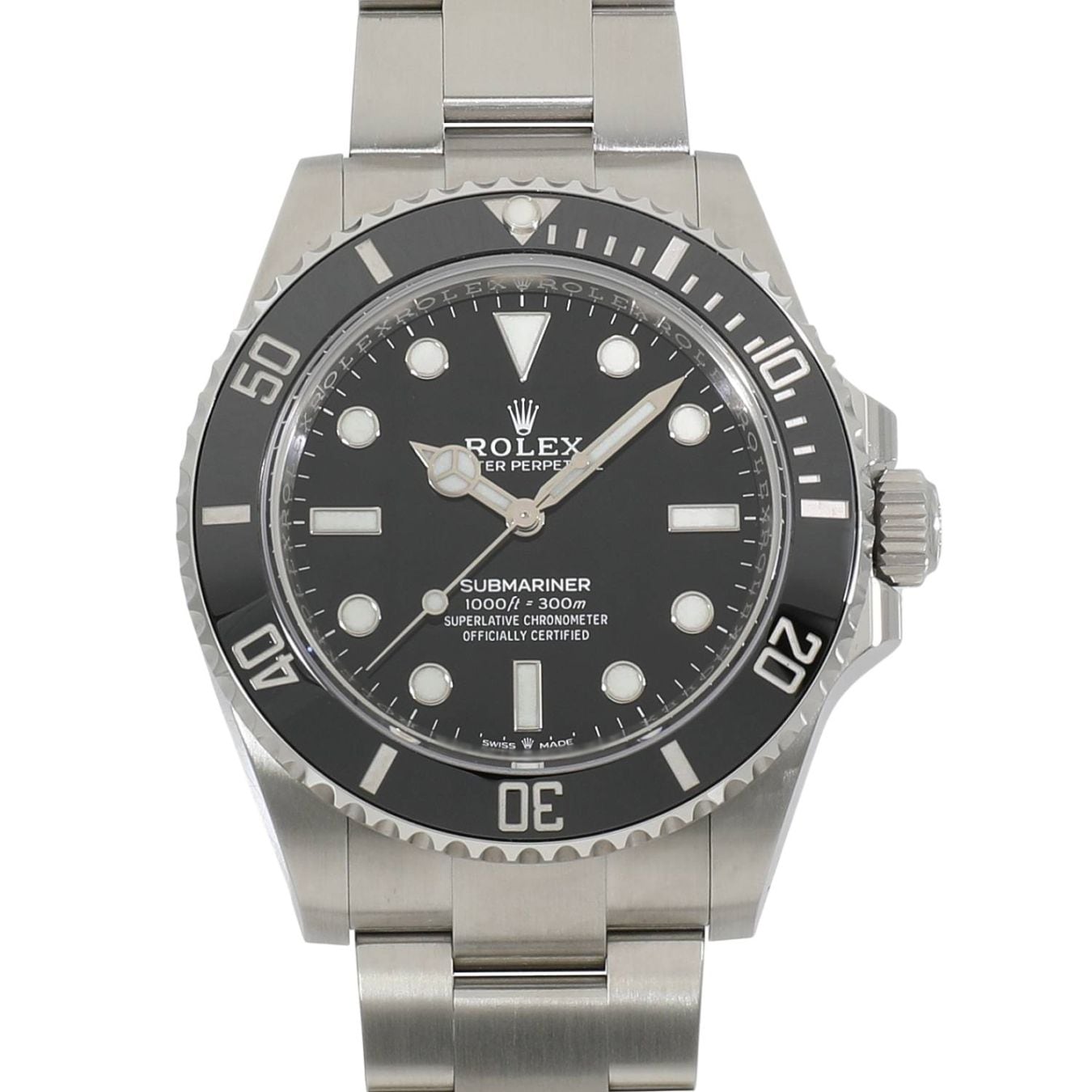
The Submariner is the reference dive watch. The current no-date 124060 has a 41mm case, the calibre 3230 movement and 300 metres of water resistance. The previous Submariner Date, the 116610LN made from 2010, is a 40mm watch with the calibre 3135 and the ceramic bezel and Glidelock clasp that the current model kept. If you are weighing the two versions, our piece on the Submariner with or without a date goes through the differences.
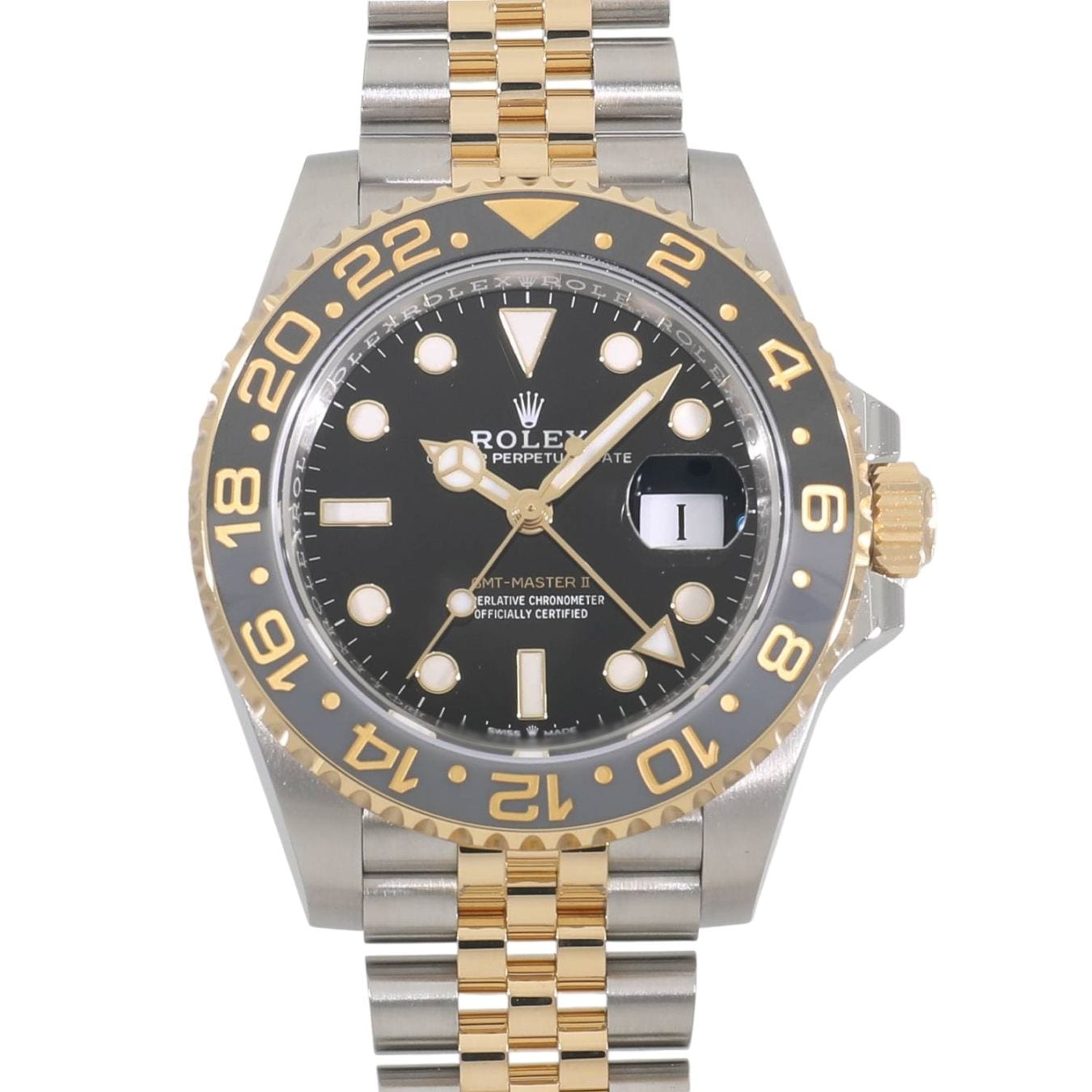
The GMT-Master II adds a 24-hour hand and a two-colour bezel so you can track a second time zone. The 126713GRNR pairs steel and yellow gold with a grey and black bezel and runs on the calibre 3285.
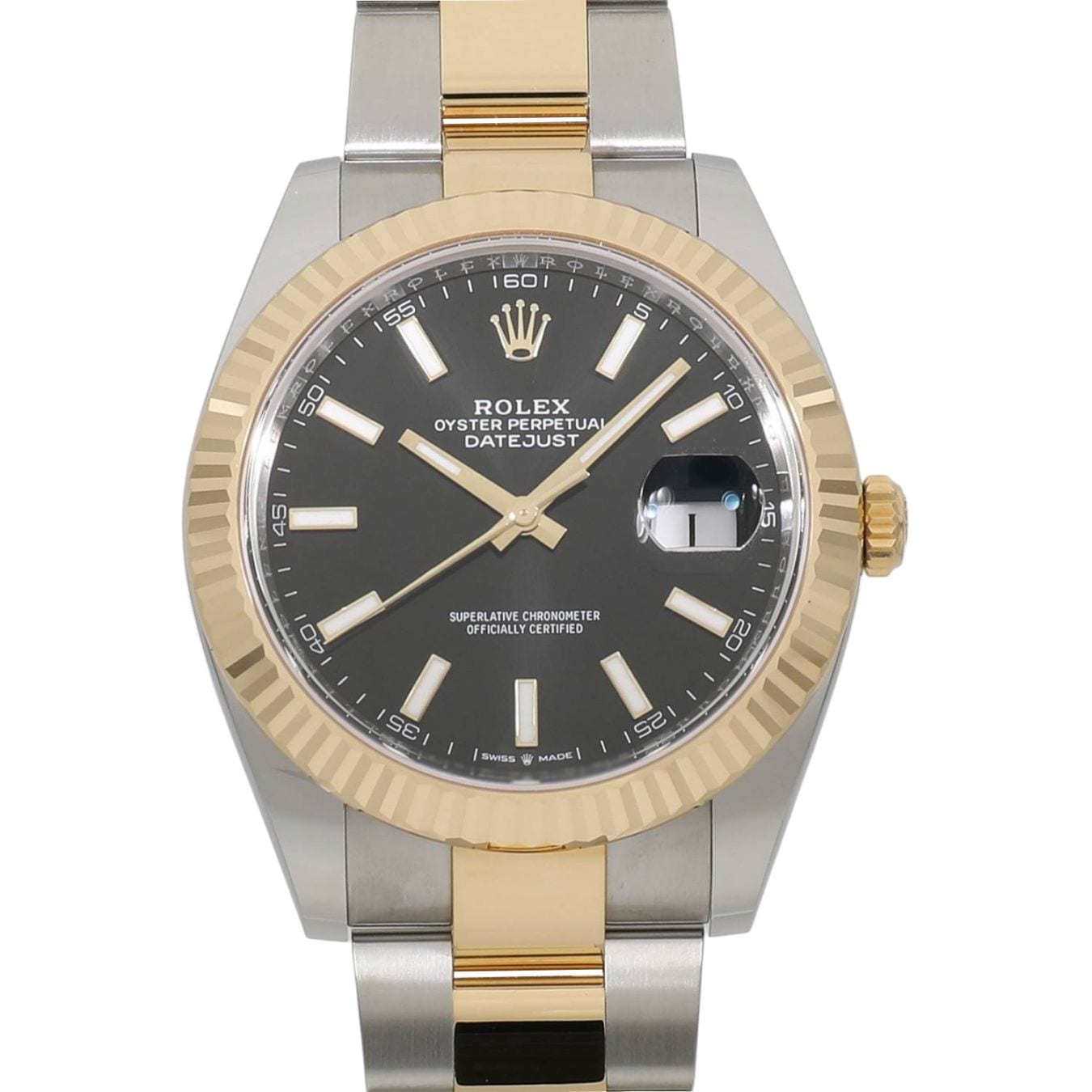
The Datejust is the dress-capable everyday watch, and the one we would point most first-time Rolex buyers towards. The Datejust 41 uses the calibre 3235 and comes in steel, steel with a white gold fluted bezel, or steel and gold.
Which Omega models matter most?
Omega’s catalogue is broader, which is a strength if you know what you want and a distraction if you do not.
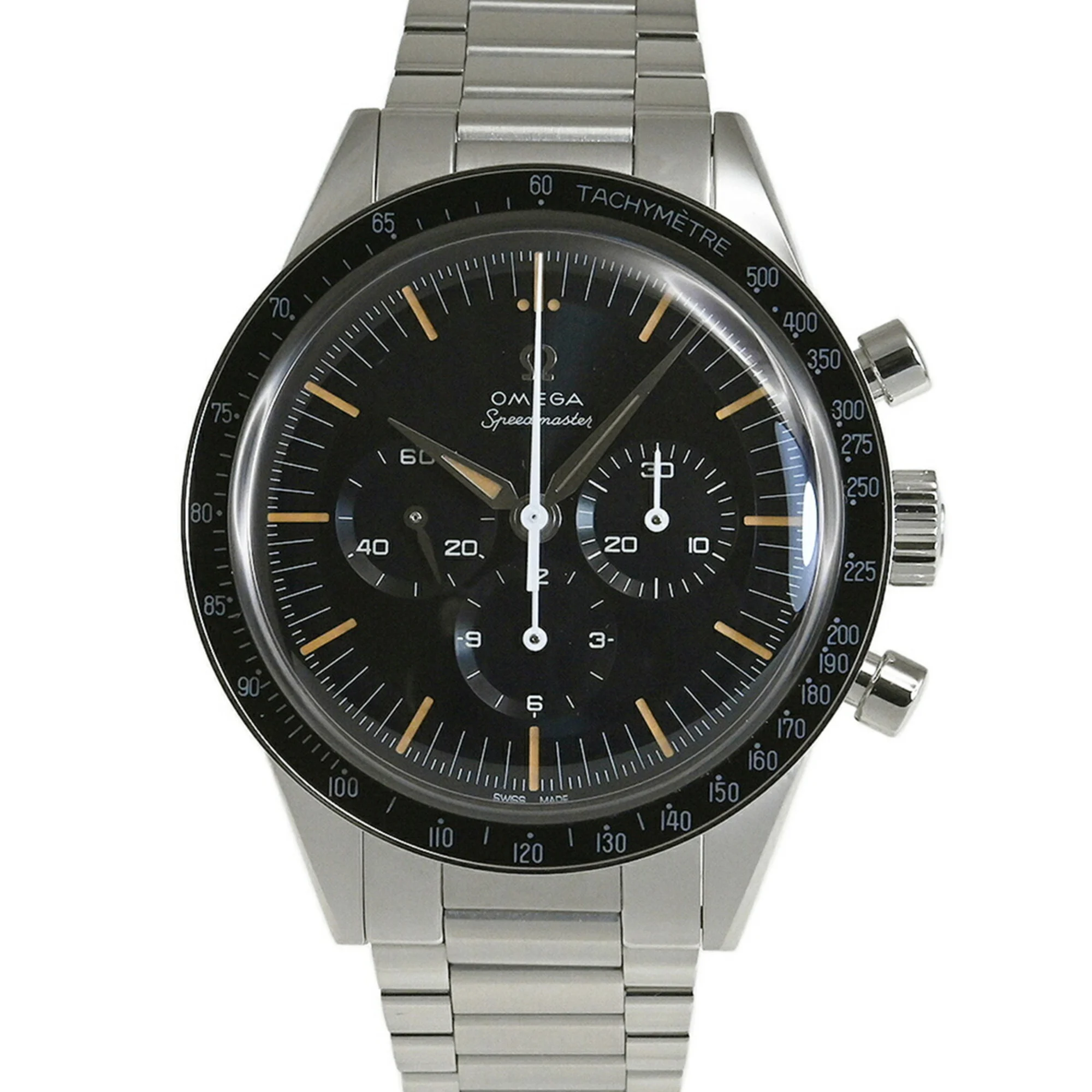
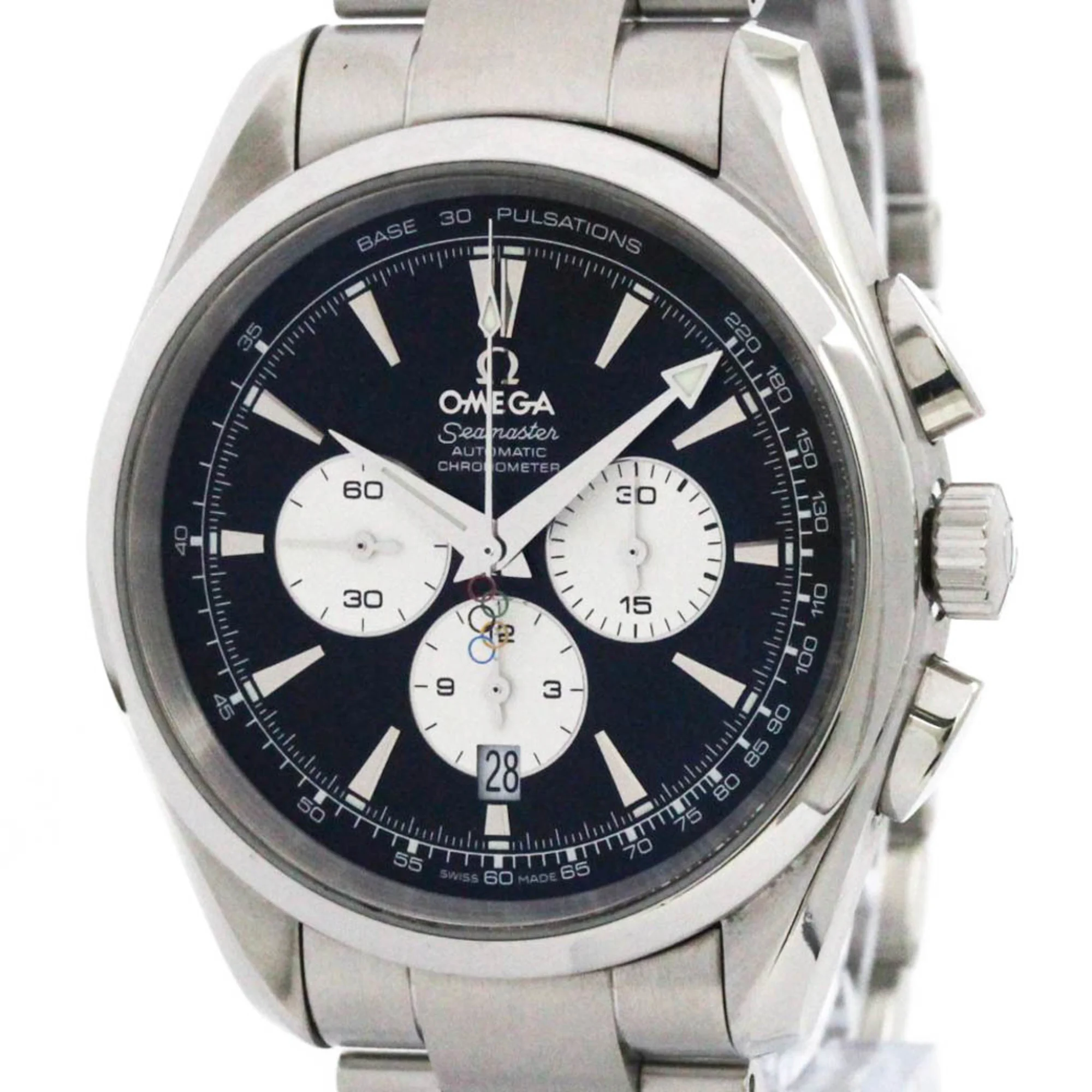
The Speedmaster is the chronograph to own if history matters to you. The Professional Moonwatch is a 42mm hand-wound watch; it used the calibre 1861 until 2021, when Omega moved it to the Master Chronometer calibre 3861. There are many other Speedmasters, from automatic Reduced models to anniversary pieces that revisit earlier designs.
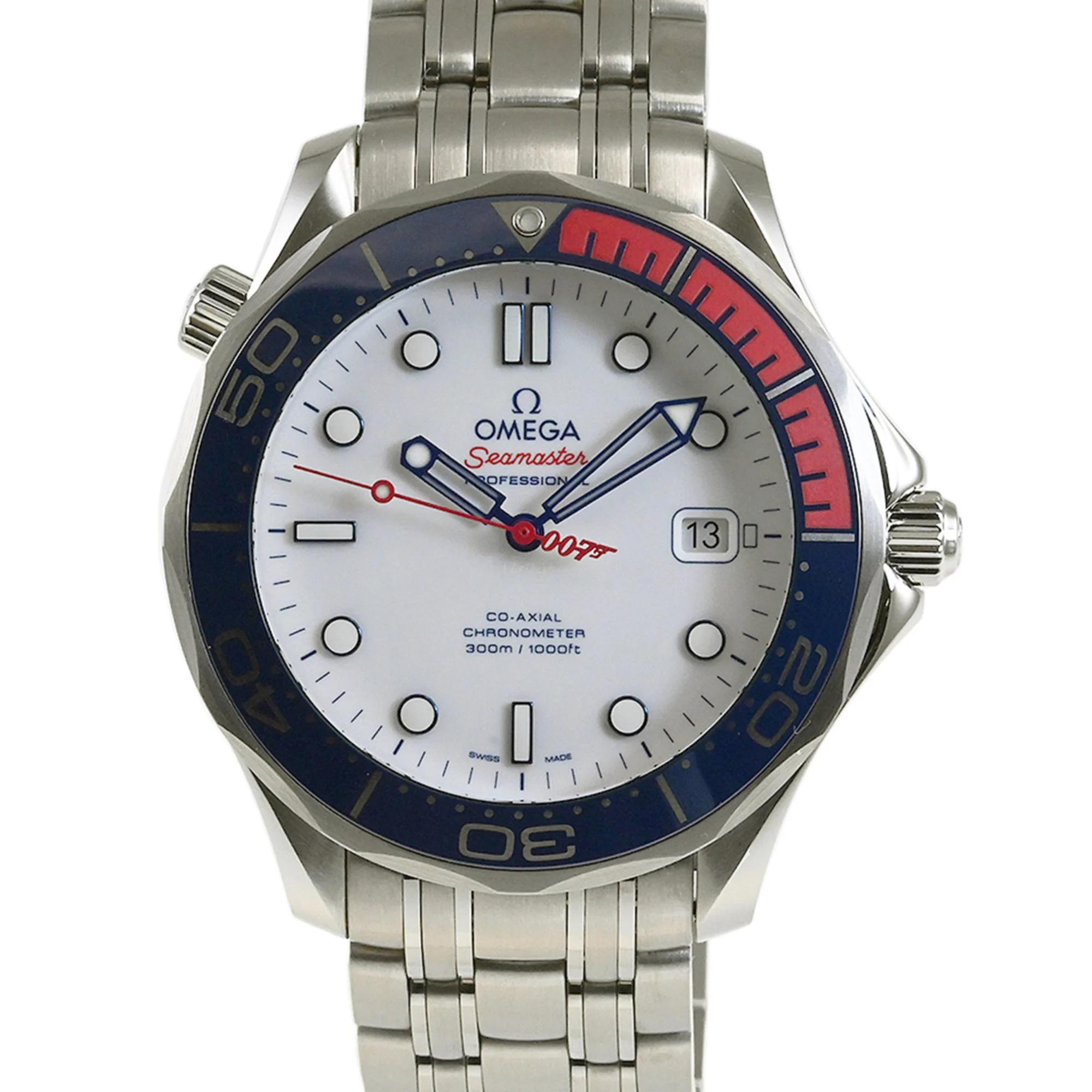
The Seamaster family is where Omega competes most directly with the Submariner. The Diver 300M has the wave dial, a helium escape valve and a sportier, more detailed look than the Rolex. The Seamaster Aqua Terra is the quieter option: 150 metres of water resistance in a cleaner case that sits comfortably under a cuff.
How do the movements compare?
Both brands make their own movements, but they solve the same problems differently.
Rolex’s current generation, introduced from 2015, uses the Chronergy escapement, a Parachrom hairspring and a power reserve of around 70 hours. Every watch is tested after casing to Rolex’s Superlative Chronometer standard of minus two to plus two seconds a day, and new watches carry a five-year guarantee.
Omega uses the Co-Axial escapement, invented by the English watchmaker George Daniels and put into series production by Omega in 1999. Its Master Chronometer watches, introduced in 2015, are tested as finished watches by METAS, the Swiss federal metrology institute, including resistance to magnetic fields of 15,000 gauss. That certification is stricter than the COSC test on its own; our guide to what chronometer certification actually means explains the difference.
In practice both are reliable daily watches. Omega has pushed harder on certification and magnetism; Rolex has pushed harder on making one architecture very durable and easy to service.
Which holds its value better?
Steel Rolex sports models have generally traded closer to their retail price than comparable Omegas, and the most wanted references have at times traded above it. Omega usually trades at a clearer discount to new. That is a disadvantage when you sell and an advantage when you buy pre-owned.
For either brand, value is driven by the same things: the exact reference, an unpolished or lightly polished case, original dial and hands, box and papers with a matching serial, and a documented service history. Values move with the wider market, so buy the watch you want to wear rather than the one you hope will rise.
What should you check before buying pre-owned?
- Papers and serial. The warranty card or certificate should match the serial on the case. A full set adds value but does not replace a physical inspection.
- Polishing. Look at the lug edges and chamfers. Soft, rounded edges mean the case has been heavily polished.
- Bracelet and clasp. Check for stretch between links and that the clasp closes firmly. Older Rolex bracelets in particular stretch with wear.
- Service parts. A service can replace dials, hands or bezels. That is fine if declared, but it should be reflected in the description.
- Timekeeping. A timegrapher reading shows whether the movement needs work. On older Omegas and Rolexes, magnetism is a common and easily fixed cause of fast running.
Every watch we list is authenticated and comes with a Certificate of Authenticity; our authentication process sets out what is checked.
Which is right for you?
Choose Rolex if you want one watch that does everything, from a Submariner on holiday to a Datejust at a wedding, with simple ownership and the strongest resale. Choose Omega if you want a chronograph with genuine history, prefer more variety, or want a more technically certified movement for the same outlay. Plenty of collectors end up with one of each; a two-watch collection built around a Rolex and a Speedmaster is a sensible place to stop. If divers are your focus, our Submariner versus Seamaster comparison goes further.
Frequently asked questions
Is Omega as good as Rolex?
Yes, in the ways that matter on the wrist. Omega makes its own movements, and its Master Chronometer watches are tested by METAS to a stricter standard than COSC alone, including high magnetic resistance. Rolex leads on brand recognition and resale. The difference is character and how the watch holds its value, not build quality.
Which is better value pre-owned, Rolex or Omega?
Omega usually gives you more watch for your outlay on the pre-owned market, because it trades at a clearer discount to new. Rolex steel sports models tend to hold closer to retail, so you pay more but should lose less when you sell. In both cases, condition, originality and papers decide whether a particular watch is good value.
Rolex Submariner or Omega Seamaster Diver 300M?
The Submariner is plainer, more conservative and stronger on resale. The Diver 300M is more detailed, with its wave dial and helium valve, and usually costs less pre-owned for a watch of similar age. Both are genuine 300-metre dive watches. Try both on; the Submariner’s case and bracelet fit wrists differently from the Seamaster’s.
How do I know a pre-owned Rolex or Omega is genuine?
Buy from a dealer who authenticates every watch and stands behind it. Check that the serial matches any papers, that the dial, hands and movement are correct for the reference, and that the case has not been over-polished. Every watch Chrono6538 lists is authenticated and comes with a Certificate of Authenticity.
Browse pre-owned Rolex and Omega watches in the collection.