Updated October 2026
Start with one good steel watch you will wear every day, then add a second only when it does a job the first cannot. A Rolex Oyster Perpetual, an Omega Seamaster or a TAG Heuer Link covers most of life on its own. A collection is built slowly, one deliberate purchase at a time, and it is judged by how often each watch actually leaves the box.
Decide what the first watch has to do
Most first purchases go wrong for one reason. The buyer chooses the watch they admire rather than the watch they will wear. Before looking at brands, write down a normal week. Office or site. Suit or knitwear. Gym, swimming, travel, a wedding twice a year.
The first watch should cope with almost all of it. That points to a few plain requirements: a steel case, a bracelet rather than leather, a legible dial and enough water resistance that a shower or a swim is not a worry. Size matters more than most beginners expect. A watch that overhangs the wrist gets left at home, however good it looked online.
Keep complications to a minimum at this stage. Time and date are enough. Chronographs, moon phases and second time zones are pleasures for later, once you know how you actually use a watch.
Build around one everyday steel watch
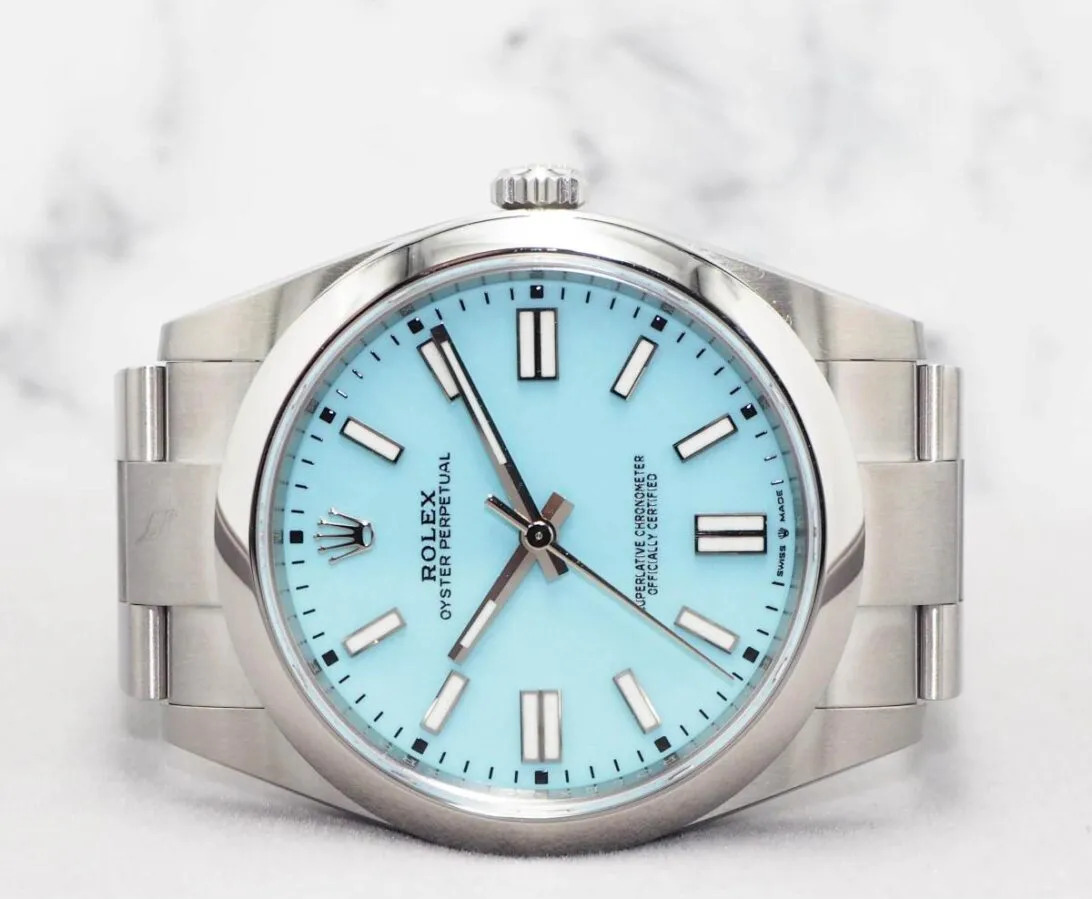
The Rolex Oyster Perpetual is the cleanest example of the everyday watch. Time only, a screw-down Oyster case that Rolex has been refining since 1926, and a bracelet that suits a suit as easily as a T-shirt. It is the watch many experienced collectors wish they had bought first, because it never needs to be justified.
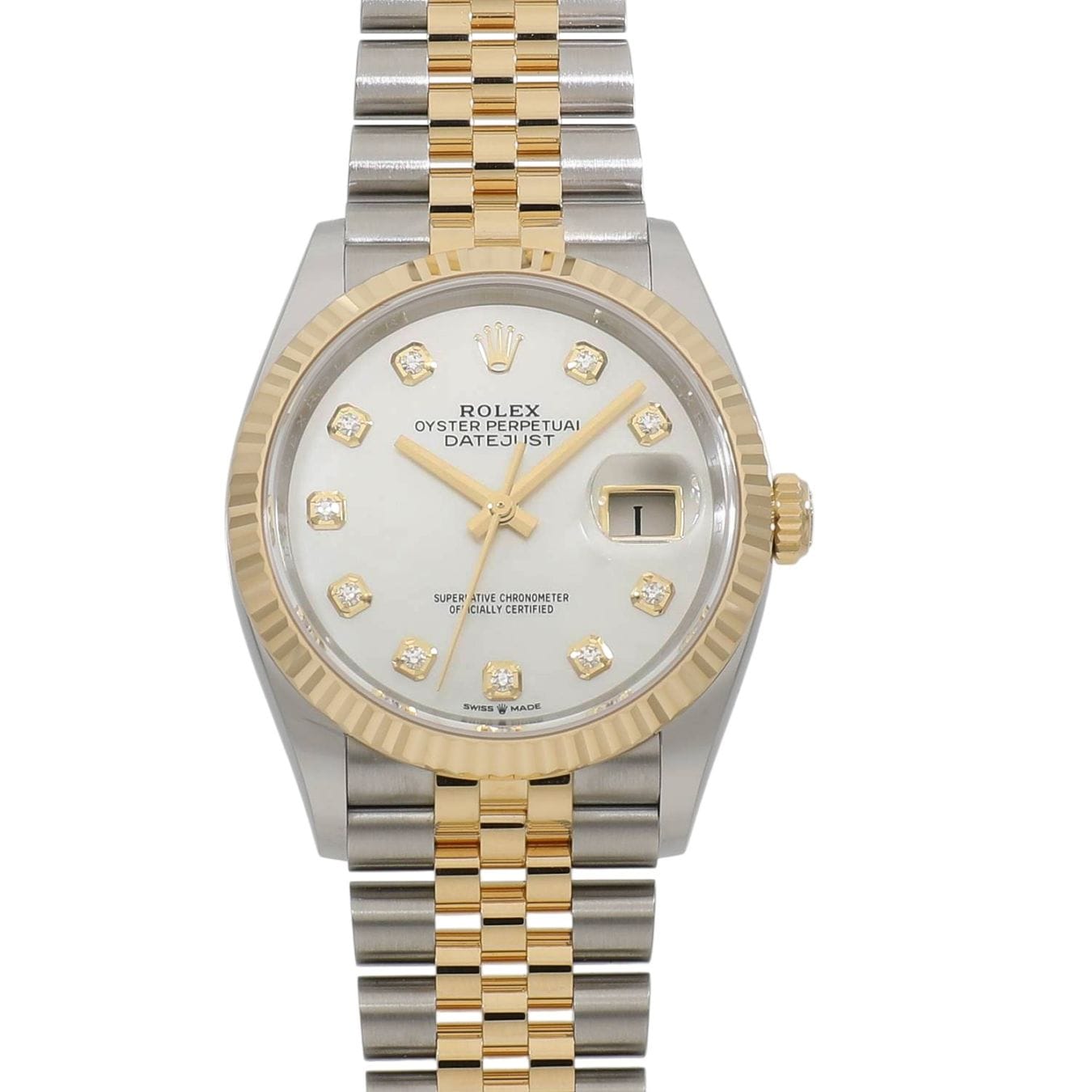
If you want a date, the Rolex Datejust adds one in a window at three o’clock, an idea Rolex introduced in 1945. It is slightly dressier and comes in far more variations of dial and bezel, which makes it easy to choose one that feels personal.
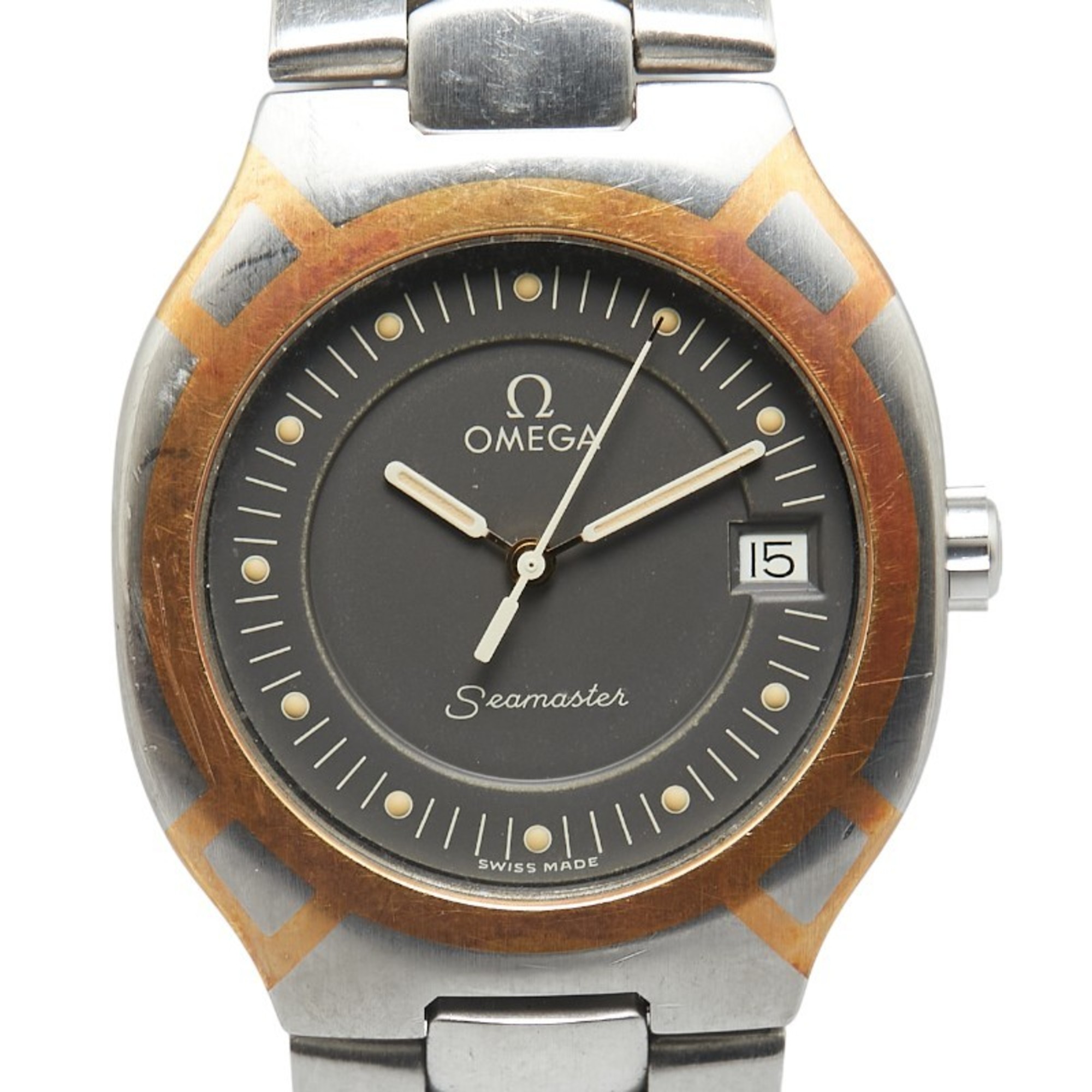
Omega gives the same versatility in a different accent. A Seamaster has a sporting background, the line having started in 1948, yet the quartz Seamaster Polaris wears quietly under a cuff. For a broader view of the brand, our guide to starting a pre-owned Omega collection sets out the families in order.
The second watch: change the job, not the brand
The commonest mistake with a second watch is buying a near copy of the first. Two steel sports watches on bracelets do the same work, so one of them sits idle. The second purchase should cover what the first does badly.
If the first is sporty, the second is usually a dress watch: thinner, on leather, small enough to slip under a shirt cuff at a formal dinner. If the first is a dress piece, the second might be a tool watch with a rotating bezel or a pilot’s dial. The two-watch starter set explains the pairing in more detail.
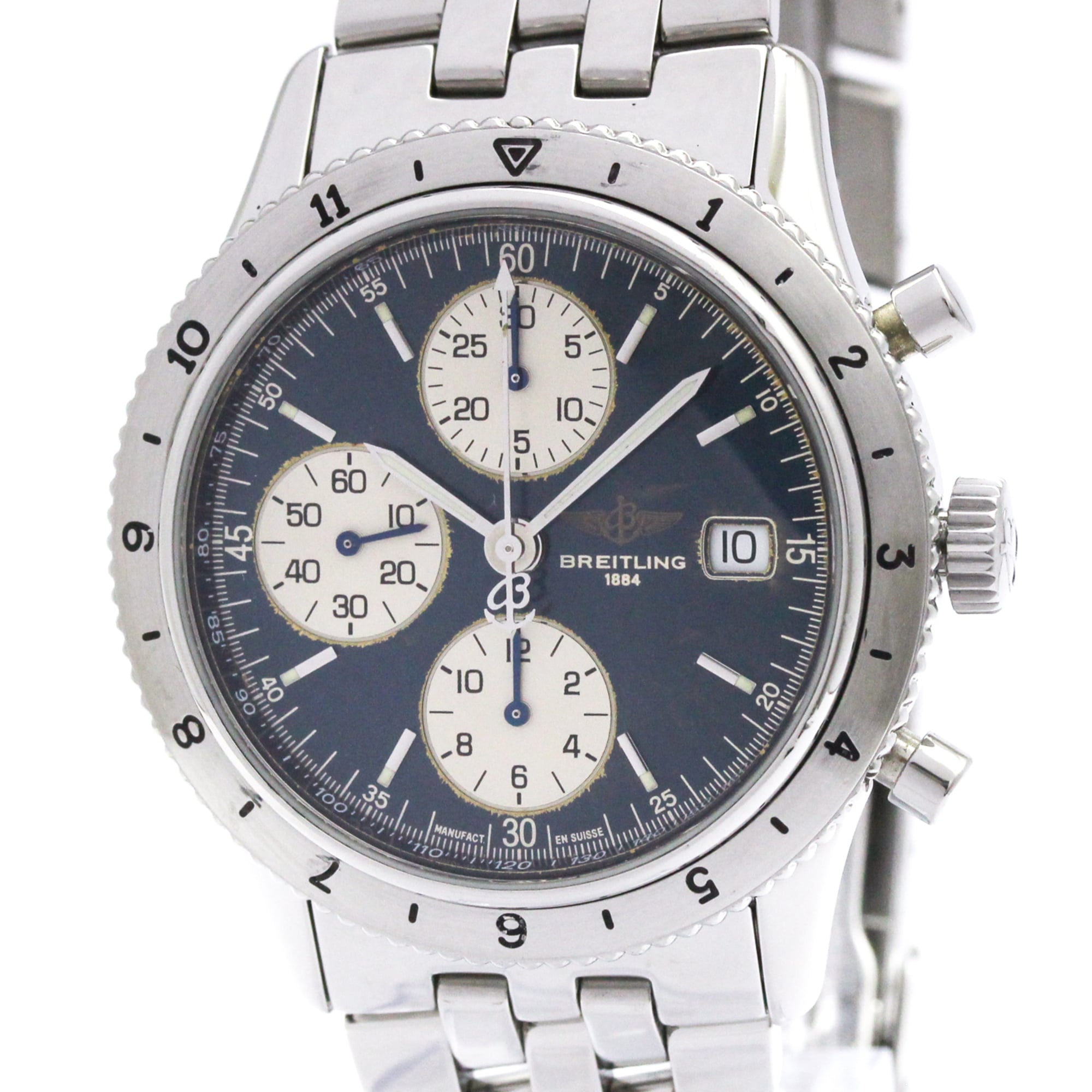
A Breitling Navitimer is a good example of a watch with a different job. The Navitimer name goes back to 1952 and the pilot’s tradition behind it, and it looks nothing like a plain Oyster. Worn on alternate days, the two never compete.
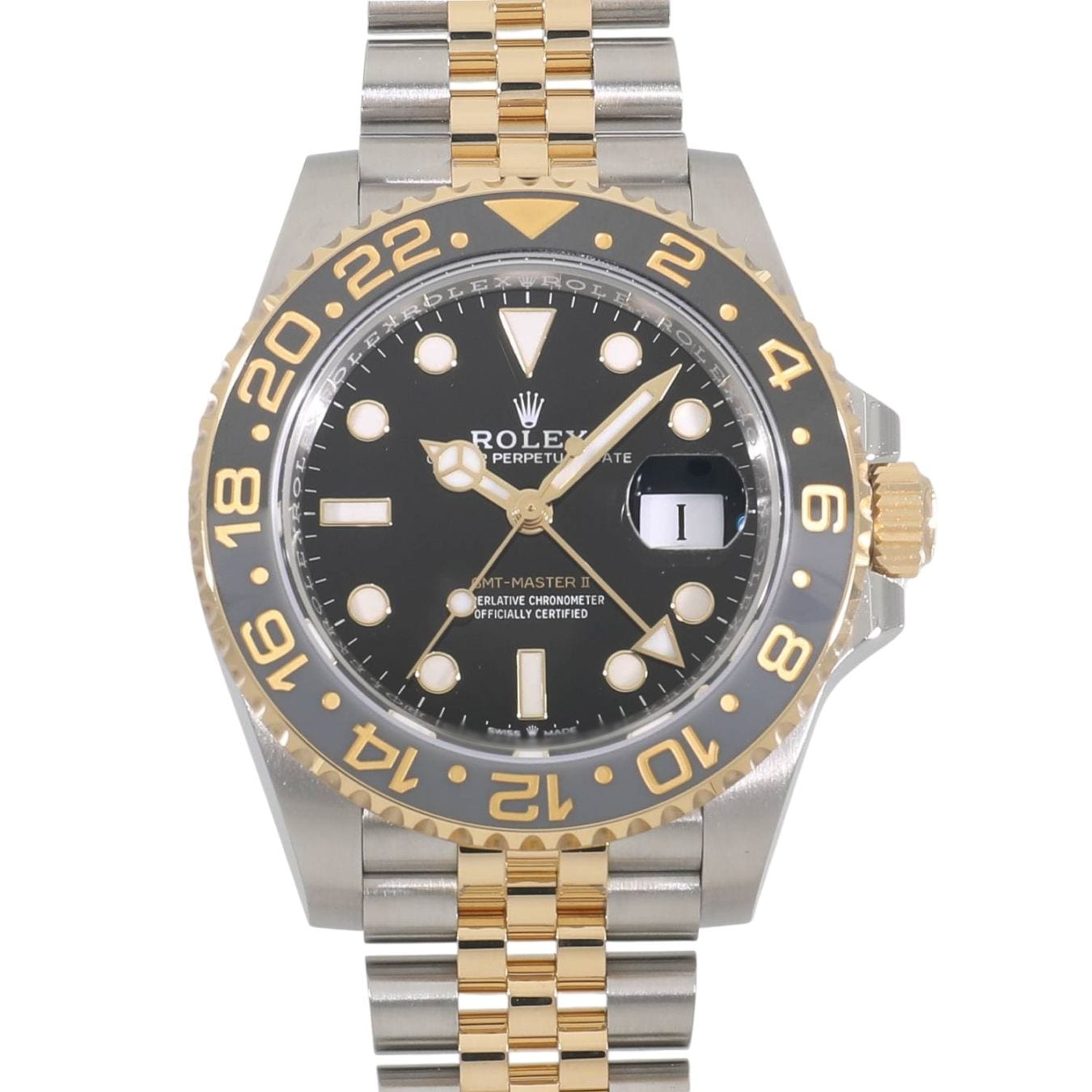
A travelling watch is another sensible second step. The Rolex GMT-Master II shows a second time zone with a 24-hour hand, which is useful to anyone who works across continents or has family abroad.
A lady’s collection starts from the same rule
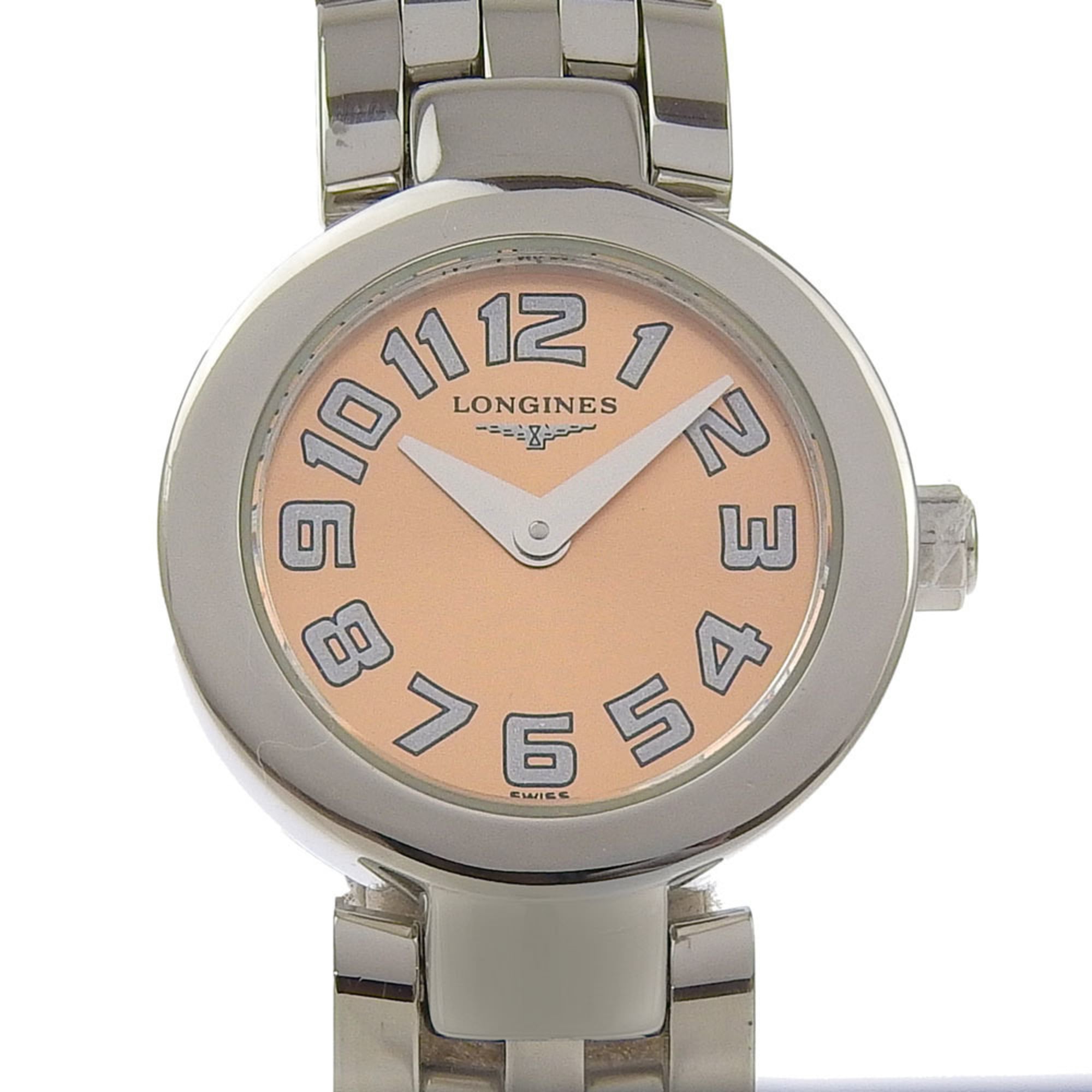
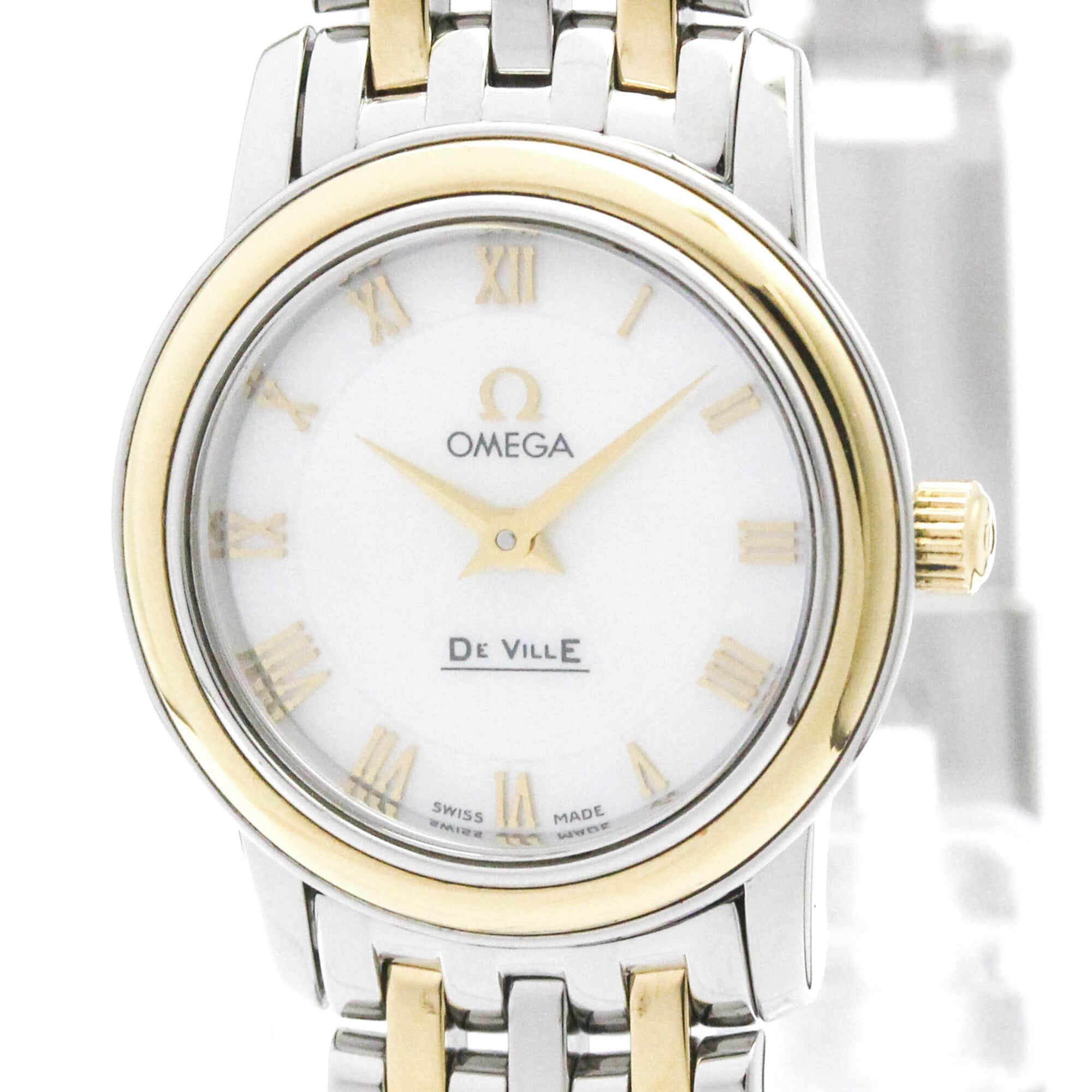
A lady building a collection for herself faces the same question: what will be worn on an ordinary Tuesday. Often the answer is a smaller steel watch with a bracelet, followed later by something in gold for evenings. The Longines DolceVita, with its rectangular case, works at a desk and at dinner, and the Omega De Ville Prestige brings gold and mother-of-pearl to the second slot.
For more on choosing for yourself, see your first fine watch: a lady’s guide and the edit on our For Her page.
Mechanical or quartz
A mechanical watch is powered by a wound spring; an automatic winds itself as you move. It has character, a sweeping seconds hand and a movement that can be serviced for generations. It also gains or loses a few seconds a day and needs servicing every several years.
Quartz is accurate, cheap to run and ready the moment you pick it up. There is no shame in it. Many fine ladies’ watches and some of the best-made dress watches use quartz movements. For a first watch worn daily, either works. If you choose automatic and rotate several pieces, read whether you need a watch winder before buying one.
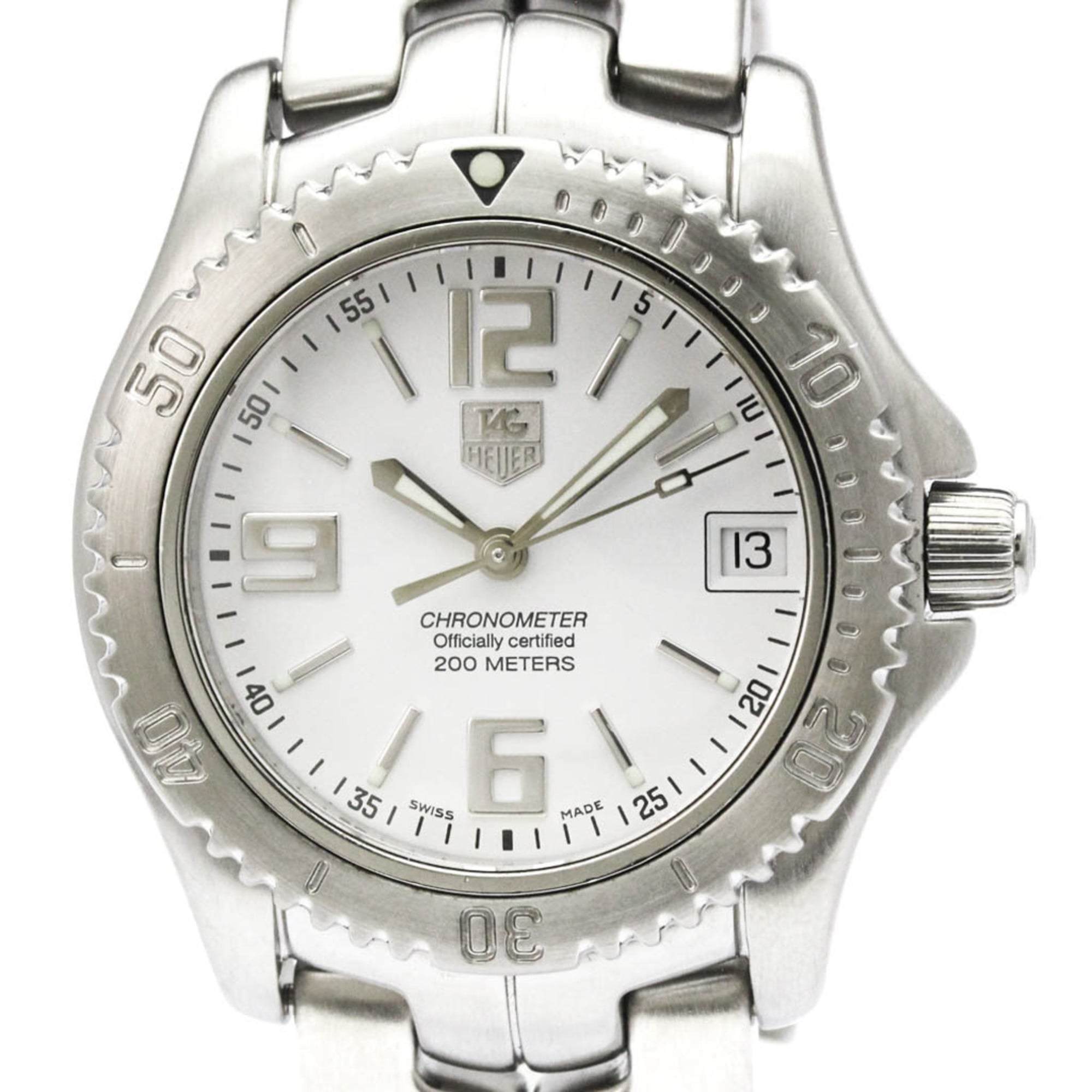
The TAG Heuer Link shows how the choice plays out within one model: the same bracelet and case shape have been offered with both automatic and quartz movements, so you can decide on movement without giving up the look you want.
Buying pre-owned without regret
Buying pre-owned lets a beginner start higher up the ladder and lose less if tastes change. A few checks matter more than any others:
- The reference number on the case should match the model and dial being described.
- Service history is useful; a recent service means fewer surprises in the first years.
- Original box and papers help when you come to sell, though their absence does not make a watch wrong.
- Bracelet stretch, polished-out case edges and replacement parts all affect desirability.
Value is driven by the brand, the reference, condition, completeness and how wanted the model is right now. We do not quote figures in guides, because they move; the Chrono6538 price index tracks them instead.
Living with a collection
Three watches is enough for most people: one for every day, one for dressing up, one for a particular passion. Beyond that, each new piece should replace something or fill a clear gap. Wear each one. Have mechanical watches serviced on schedule. Keep the paperwork together. A collection that is worn is worth more to its owner than a drawer of watches waiting for an occasion that never comes.
Frequently asked questions
How do I start a watch collection?
Start with one good steel watch you will wear every day, such as a Rolex Oyster Perpetual, an Omega Seamaster or a TAG Heuer Link, then add a second only when it does a job the first cannot. Build slowly, one deliberate purchase at a time.
What should my second watch be?
Something that covers what the first does badly. If the first is a steel sports watch on a bracelet, the second is usually a slimmer dress watch on leather, or a travel watch with a second time zone.
Is quartz acceptable in a collection?
Yes. Quartz is accurate and easy to live with, and many fine ladies’ watches and dress watches use it. Mechanical watches offer character and long-term serviceability; choose by how you will wear the watch.
Should a beginner buy new or pre-owned?
Pre-owned lets a beginner start with a better watch and lose less if tastes change. Check that the reference matches the description, and look at service history, condition and whether box and papers are present.
How many watches does a collection need?
Three covers most lives: one for every day, one for formal occasions and one for a particular interest. After that, each new watch should replace another or fill a clear gap.
Start with the everyday watch: see pre-owned Rolex →